Free Delivery: 


Our facilities are now open for visits. Please contact your PIC or email us at contact@custommadepackaging.com to request a visit.
Free Delivery:
Home – Blogs – Custom Shipping Boxes: 9 Proven Tips for Better Orders
 – Blogs
by Custom Made Packaging Team – November 27, 2026 · 14 min read
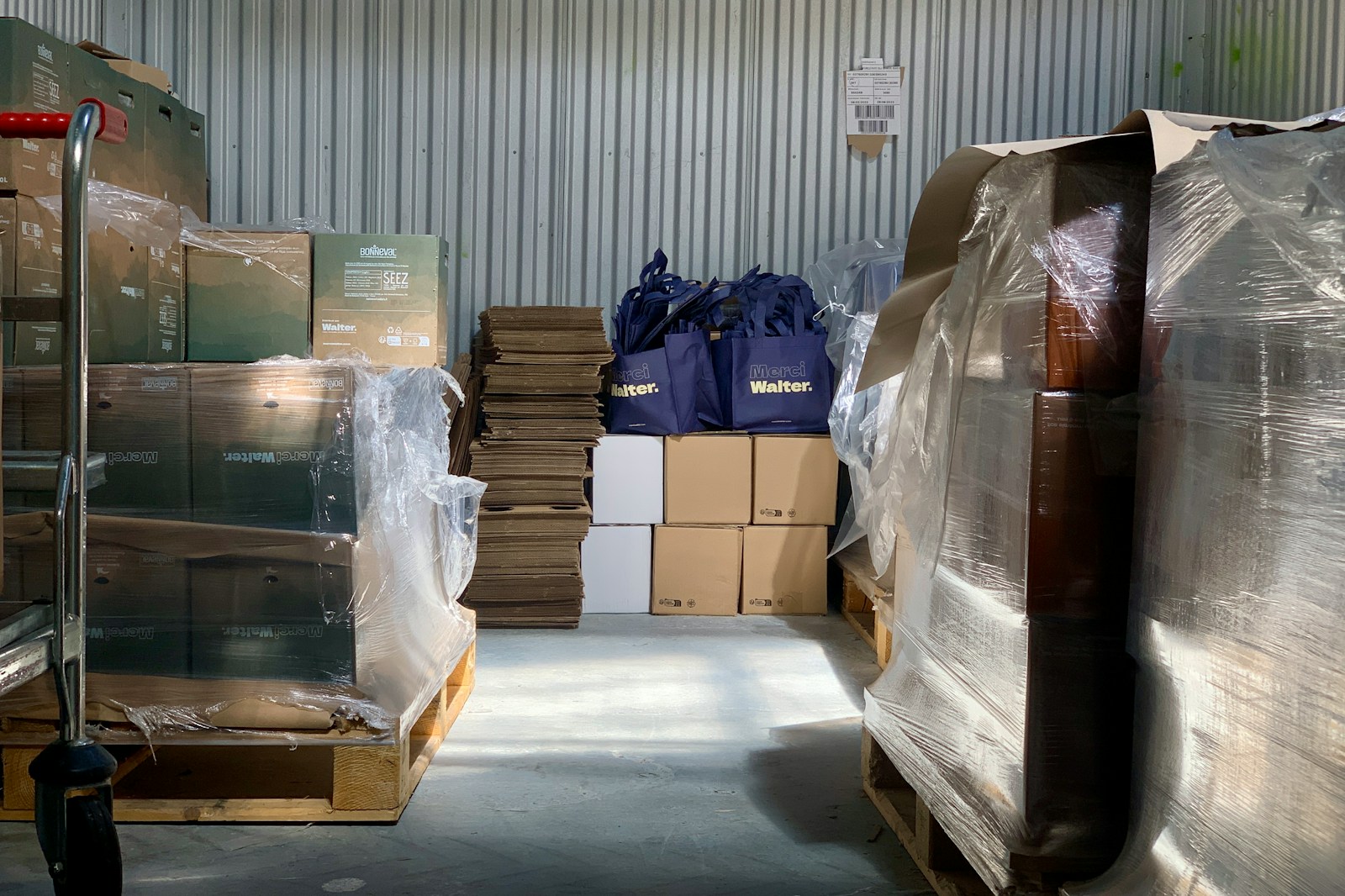
Custom shipping boxes are corrugated cartons built to your product’s exact inside dimensions, board strength and print, so orders arrive intact and you stop paying carriers to move empty space. To get them right, pick the box style first, then the board grade (32 ECT single wall suits most e-commerce parcels), then size the box around the product plus its cushioning. Custom Made Packaging prints custom boxes from just 30 units, with a free 2D and 3D mockup in 48 hours and free shipping anywhere in the USA and Canada.
This guide to custom shipping boxes is for brands that have outgrown stock cartons and want a box that protects, stacks and prices well. You will find a decision table for choosing between shipping cartons, mailer boxes and poly mailers, a plain-English explanation of ECT ratings and flute sizes, a worked sizing example with real measurements in inches and centimeters, and a 9-point buyer checklist you can use before requesting a quote.
A shipping box is the outer container that travels through the carrier network: it gets dropped, stacked under other parcels, squeezed on conveyors and left on porches. “Custom” means you choose the inside dimensions, the corrugated board, the closure and the print instead of buying whatever size a warehouse stocks. Three structures cover almost every order.
The classic brown carton: four flaps on top and four on the bottom, all the same length, meeting in the middle and sealed with tape. It uses board efficiently, ships flat and is the usual choice for heavy, bulky or wholesale orders. Its weakness is presentation, because the customer opens it with a knife and tape.
A one-piece die-cut box with a hinged lid and tuck front, often with dust flaps that lock the sides. Mailers assemble without glue, open like a gift and print beautifully inside and out, which is why most direct-to-consumer brands use custom mailer boxes as their shipping box for parcels under about 10 lb (4.5 kg).
Either structure can be made in natural brown kraft or a white-top liner. Kraft hides scuffs and reads as eco-friendly; white gives brighter, truer color. Our kraft boxes start from $0.50 per box and suit brands that want a natural look with one- or two-color print.
| Style | Opens by | Best weight range | Main strength |
|---|---|---|---|
| Regular slotted carton | Cutting tape on flaps | Light to very heavy | Efficient board use, strong stacking |
| Corrugated mailer box | Lifting a tuck-in lid | Up to about 10 lb (4.5 kg) | Unboxing and print quality |
| Poly mailer bag | Tear strip | Soft goods, usually under 5 lb (2.3 kg) | Lowest weight and cost |
Start with what you sell, not with what looks nicest, when you choose custom shipping boxes. The table below matches common product types to the shipping format that usually performs best. If a product sits between two rows, size the box for the more fragile option.
| If you sell | Choose | Because |
|---|---|---|
| Folded apparel, socks, scarves | Poly mailer | Soft goods do not crush, and a bag adds almost no weight or volume |
| Cosmetics, candles, subscription kits under 10 lb | Corrugated mailer box (E- or B-flute) | Protects well and creates a branded unboxing |
| Glass, ceramics, jarred food | Mailer or RSC with a fitted insert | Inserts stop movement, so the box can stay smaller |
| Cookware, tools, bulk refills (10–40 lb) | RSC in 32 or 44 ECT C-flute | Taped flaps and thicker board handle weight and stacking |
| Wholesale cases to retailers | RSC, 44 ECT or double wall | Cartons sit at the bottom of tall pallet stacks |
| Eco-focused or minimalist brands | Kraft mailer or kraft RSC | Natural board look with recyclable materials |
If you are torn between a box and a bag, remember that custom shipping boxes protect corners and stack, while bags only keep out dust and rain. For soft goods that only need weather protection, poly mailer bags start from $0.30 each.
Strength questions come up more than any other when brands research custom shipping boxes, and two numbers answer most of them. The Edge Crush Test (ECT) measures how much force the board’s edge can take before it buckles, in pounds per linear inch. A higher number means the box resists being crushed when other parcels are stacked on top of it. The older Mullen (burst) test measures puncture resistance instead and is less common for parcel shipping today.
The figures below are the guideline limits commonly printed on box maker’s certificates. Treat them as upper limits for a properly packed box, not targets, and confirm the grade for your product with a sample.
| Board | Typical max gross weight | Typical max size (L + W + H) | Common use |
|---|---|---|---|
| 32 ECT single wall | 65 lb (29.5 kg) | 75 in (190 cm) | Most e-commerce parcels |
| 44 ECT single wall | 80 lb (36.3 kg) | 80 in (203 cm) | Heavier goods, tall stacks |
| 48 ECT double wall | 100 lb (45.4 kg) | 110 in (279 cm) | Bulk, wholesale and freight cartons |
The flute is the wavy middle layer. Bigger flutes cushion and stack better; smaller flutes print more sharply and fold more neatly. Two boxes with the same ECT rating can use different flutes, so pick the flute for print and feel and the ECT for strength.
| Flute | Approx. thickness | Strengths | Typical box |
|---|---|---|---|
| E-flute | 1/16 in (1.6 mm) | Crisp print, slim walls | Small and medium mailers |
| B-flute | 1/8 in (3 mm) | Good puncture resistance | Larger mailers, light cartons |
| C-flute | 3/16 in (4 mm) | Best all-round stacking | Standard shipping cartons |
| BC double wall | 1/4 in (6.5 mm) | Heavy loads, long transit | Bulk and wholesale cases |
For most custom shipping boxes under 20 lb (9 kg), a 32 ECT C-flute or B-flute board is the safe default; move to E-flute only when sharp print matters more than cushioning.
Here is a real calculation for a fragile product, showing how the cushioning method changes the box and the shipping bill. The product is a two-mug ceramic gift set in its own retail carton measuring 8 × 4.5 × 4.5 in (20.3 × 11.4 × 11.4 cm) and weighing 2.4 lb (1.09 kg).
A die-cut corrugated insert holds the carton in place, so 1 in (2.5 cm) of clearance per side is enough. The inside size becomes 10 × 6.5 × 6.5 in, the outside about 10.4 × 6.9 × 6.9 in (26.4 × 17.5 × 17.5 cm), rounded to 10 × 7 × 7 = 490 cubic inches. Divided by 139 that is 3.53, billed as 4 lb. Same product, same protection goal, three fewer billed pounds on every order. That is why well-sized custom shipping boxes often pay for themselves.
| Option A: loose fill | Option B: fitted insert | |
|---|---|---|
| Inside size | 12 × 8.5 × 8.5 in | 10 × 6.5 × 6.5 in |
| Outside size | 31.5 × 22.6 × 22.6 cm | 26.4 × 17.5 × 17.5 cm |
| US billed weight (÷139) | 7 lb | 4 lb |
| Canadian volumetric weight (÷5,000) | 3.2 kg | 1.6 kg |
| Canadian volumetric weight (÷6,000) | 2.7 kg | 1.3 kg |
Your divisor depends on your carrier and rate contract, so plug in your own numbers. For more sizing rules by product type, see our mailer box sizes guide.
Custom shipping boxes are seen by porch cameras, neighbors and mailroom staff before your customer ever opens one, so even simple print works hard. Match the print to the box’s job.
Whatever you choose, keep one flat panel of at least 4 × 6 in (10 × 15 cm) clear of dark ink and heavy pattern, because carrier labels and barcodes must scan cleanly. You can try layouts yourself in the free online 3D box designer before asking for a mockup.
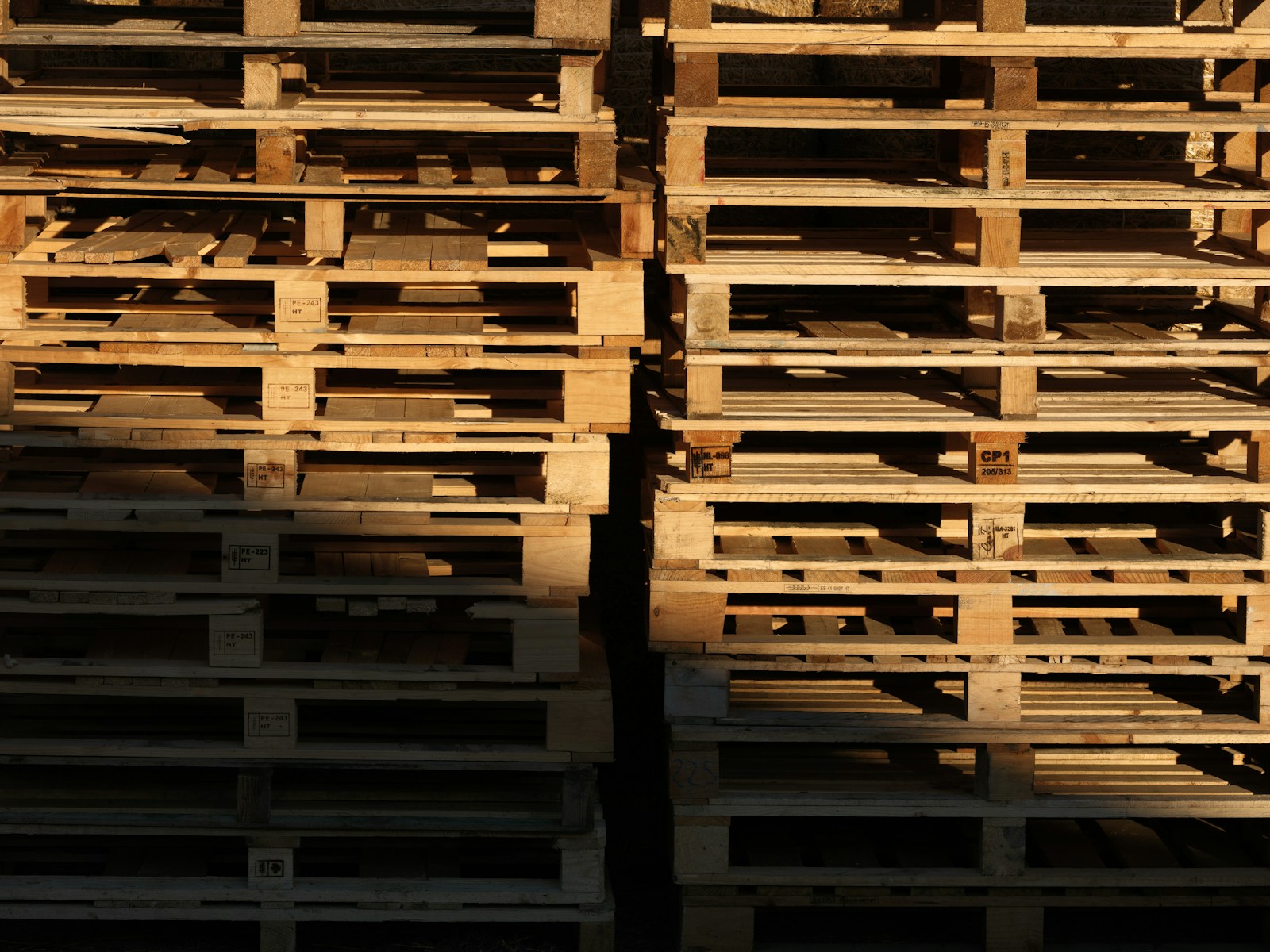
Custom shipping boxes spend more time sitting in stacks than moving. A standard North American pallet is 48 × 40 in (122 × 102 cm), so box footprints that divide evenly into it, such as 12 × 10 in or 16 × 12 in, fill a layer without overhang. Overhanging boxes lose much of their stacking strength at the edge.
Humidity matters too. Corrugated board absorbs moisture and gets weaker in damp garages, basements and unheated storage units, so keep flat-packed stock off the floor and away from exterior walls. If your cartons will sit in humid storage or tall stacks, step up one ECT grade rather than relying on the minimum.
Run through these steps in order before you request custom shipping boxes. Each one removes a common reason for reprints or damaged orders.
Pro tip: Before committing to a big run, pack five real orders in your first boxes and drop each one from about 30 in (76 cm) onto a hard floor: once on the bottom, once on an edge and once on a corner. If the product survives and the box corners hold their shape, your size and board are right. If not, change one variable at a time (insert, flute or ECT) and test again.
Unit price is set by a handful of choices, and most of them also affect what you pay the carrier. Starting prices give you a floor: corrugated mailer-style boxes from $0.90, kraft boxes from $0.50 and poly mailers from $0.30 each, with the final quote based on your specification.
| Factor | Pushes the price up | Keeps the price down |
|---|---|---|
| Size | Large boxes use more board | Tight fit with an insert |
| Board | Double wall, 44 ECT or higher, white liner | 32 ECT single wall kraft |
| Print coverage | Full color, outside and inside | One-color logo on one or two panels |
| Finishes | Lamination, foil or spot UV | Uncoated board |
| Quantity | Short runs carry setup per box | Larger runs spread setup costs |
| Turnaround | Rush production (8–12 business days) | Standard production (10–15 business days) |
When you compare quotes for custom shipping boxes, look at the total cost per order, not just the box. A box that costs a little more but drops a parcel into a lower billed weight, or avoids one damaged replacement, usually pays for itself quickly.
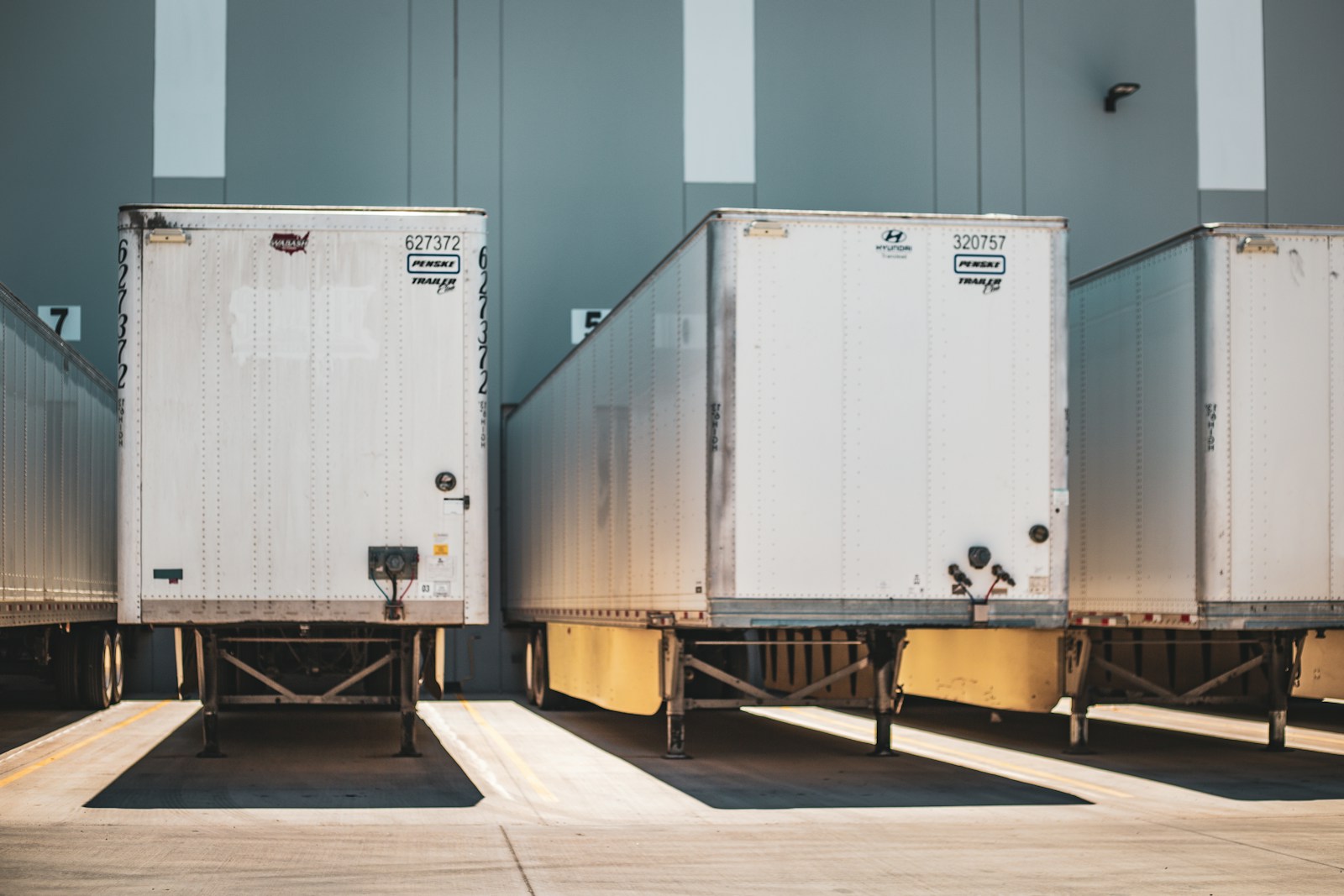
Custom shipping boxes for both countries use similar corrugated board, but carriers bill and limit parcels differently. Always confirm current limits in your carrier’s service guide, because they change.
US carriers work in inches and pounds. UPS and FedEx commonly divide length × width × height by 139 for daily rates and accept parcels up to 150 lb with a combined length and girth of up to 165 in. USPS applies dimensional pricing to larger parcels, typically those over one cubic foot, and limits most parcels to 70 lb. Brands shipping from coast to coast benefit most from tightly sized custom shipping boxes because zone-based rates multiply every billed pound.
Canadian carriers work in centimeters and kilograms and calculate volumetric weight by dividing length × width × height in centimeters by a divisor, commonly 5,000 or 6,000. Canada Post lists its own size and weight limits for each service, and many couriers cap standard parcels at around 30 kg. If you sell across provinces, send us your inside dimensions in centimeters and we will build your custom shipping boxes to the millimeter equivalent.
| United States | Canada | |
|---|---|---|
| Units used by carriers | Inches and pounds | Centimeters and kilograms |
| Billing method | Dimensional weight (L × W × H ÷ 139 or 166) | Volumetric weight (L × W × H ÷ 5,000 or 6,000) |
| Main parcel carriers | USPS, UPS, FedEx | Canada Post, UPS, FedEx and regional couriers |
| Rounding | Up to the next pound | Usually up to the next 0.1 or 0.5 kg, by carrier |
| Free delivery of your boxes | Yes, anywhere in the USA | Yes, anywhere in Canada |
A shipping box usually means a regular slotted carton with taped flaps, while a mailer box is a one-piece box with a hinged, tuck-in lid. Cartons handle heavier loads and stack better; mailers look better when opened and need no tape to close the lid.
32 ECT single wall is enough for most e-commerce parcels. Step up to 44 ECT for heavier products or boxes that will be stacked high, and consider double wall for bulk or wholesale cartons.
At Custom Made Packaging, corrugated mailer-style boxes start from $0.90 per box and kraft boxes from $0.50 per box. The final price depends on size, board, print coverage, finishes and quantity, so a quote with your exact specification gives the real figure.
The minimum order for custom shipping boxes is 30 boxes. That low minimum lets small brands test a size and design with real orders before committing to a larger run.
Multiply the outside length, width and height in inches, then divide by your carrier’s divisor, commonly 139 for UPS and FedEx daily rates. If the result is higher than the actual weight, you are billed for the dimensional weight, rounded up to the next pound.
Yes, printed corrugated boxes can be shipped with Canada Post and Canadian couriers. Keep a clear, light-colored panel for the shipping label and barcode, and stay within the size and weight limits of the service you choose.
Yes, plain and printed corrugated custom shipping boxes are accepted in most curbside recycling programs in the USA and Canada. Kraft board without plastic lamination is the simplest option for customers to recycle.
Standard production takes 10–15 business days after you approve the design, and rush production takes 8–12 business days. Shipping to anywhere in the USA and Canada is free.
Get the custom quote starting from our MOQ of 30 boxes to any order volume. There will be no charges for shipping and we ensure the lowest prices with highest quality possible.
Get a custom quote for custom boxes starting from our MOQ of 30 boxes to any order volume. Shipping is free and we ensure the lowest prices with the highest quality possible.
Request instant quote