Free Delivery: 


Our facilities are now open for visits. Please contact your PIC or email us at contact@custommadepackaging.com to request a visit.
Free Delivery:
Home – Blogs – Types of Custom Packaging: 12 Options Compared (2026)
 – Blogs
by Custom Made Packaging Team – October 28, 2026 · 17 min read
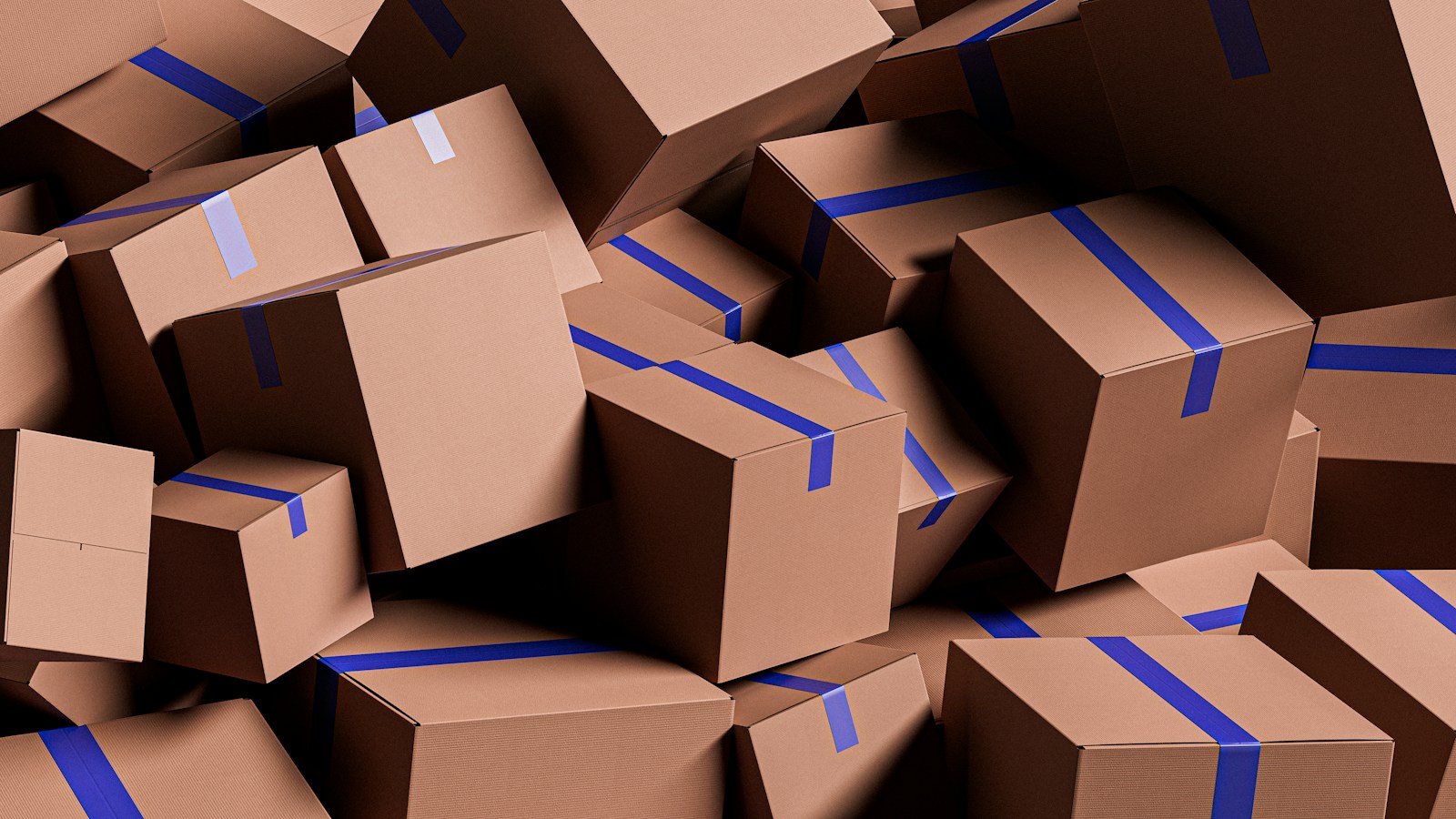
The main types of custom packaging are corrugated mailer boxes, folding cartons (product, cosmetic and CBD boxes), kraft boxes, rigid boxes, specialty boxes such as pillow, candle, bath bomb and food-safe boxes, flexible poly mailers, and finishing pieces like branded tape, labels and inserts. Each one solves a different problem: mailers protect products in the mail, folding cartons sell on a shelf, rigid boxes create a premium gift moment, and poly mailers keep shipping light and cheap.
Picking the wrong type is one of the most expensive packaging mistakes a growing brand can make. In this guide you will learn what each type of custom packaging is made of, what it is best for, how much it typically costs to start, how to choose between them, and which details matter when you sell to customers in the United States and Canada.
Whether you run a skincare line in Texas, a candle studio in Ontario or a supplement brand selling online across North America, the comparison tables and checklists below will help you match each product to the right box before you request a quote.
Table of contents: What custom packaging is · Types at a glance · Mailer boxes · Folding cartons · Kraft boxes · Rigid boxes · Specialty boxes · Poly mailers, tape, labels and inserts · How to choose · Cost factors · Common mistakes · USA and Canada · How to order · FAQ
Custom packaging is any box, bag or packaging component made to your specifications instead of bought off a shelf. That usually means three things are yours to decide: the size (built around your product’s inside dimensions), the structure and material (box style, board type, inserts), and the branding (printed artwork, colors, finishes, and sometimes inside printing). Stock packaging fixes all three for you; custom packaging lets you tune each one to your product, budget and brand.
It helps to think of packaging in three layers, because the right type depends on which layer you are solving for:
A direct-to-consumer brand often needs only one layer: a printed mailer box that is both the shipper and the unboxing experience. A brand selling in retail stores usually needs a primary carton for the shelf and plain or branded shipping boxes for distribution. Knowing which layers you need is the first step to choosing the right types. If you are just starting out, our guide to custom packaging for small business covers budgeting and first orders in more depth.
Here are the 12 most common types of custom packaging that small and mid-size brands order, with the material they are typically made from, what they do best and where pricing starts. Starting prices are per unit and rise with size, quantity, print and finishes.
| Packaging type | Typical material | Best for | Starting price |
|---|---|---|---|
| Mailer boxes | Corrugated board (E- or B-flute) | E-commerce shipping, subscription boxes, PR kits | From $0.90 |
| Product boxes | Paperboard folding carton | Retail shelves, supplements, electronics accessories | From $0.80 |
| Cosmetic boxes | Paperboard folding carton | Skincare, makeup, fragrance, hair care | From $0.30 |
| CBD boxes | Paperboard or kraft carton | Tinctures, gummies, creams, topicals | Custom quote |
| Kraft boxes | Unbleached kraft paperboard or corrugated | Natural, eco-forward and artisan brands | From $0.50 |
| Rigid boxes | Thick chipboard wrapped in printed paper | Luxury goods, gift sets, jewelry, electronics | From $3 |
| Pillow boxes | Paperboard or kraft | Small gifts, jewelry, favors, accessories | From $0.60 |
| Candle boxes | Paperboard, kraft or rigid | Jar, tin and pillar candles | From $0.90 |
| Bath bomb boxes | Paperboard or kraft, often with window | Bath bombs, soaps, bath salts | From $0.50 |
| Food-safe packaging | Food-grade paperboard with suitable coatings | Bakeries, chocolates, snacks, takeout | From $0.50 |
| Poly mailer bags | Flexible polyethylene film | Apparel, soft goods, non-fragile items | From $0.30 |
| Branded tape and labels | Paper or film tape; paper, film or kraft labels | Branding stock boxes, product labeling, seals | Tape from $1, labels from $0.30 |
Custom mailer boxes are self-locking corrugated boxes with a hinged lid and tuck front, sometimes with ear locks on the sides. They ship flat, fold together in seconds without tape in most designs, and are strong enough to go through carrier networks on their own. Because the customer opens the lid like a chest, mailers double as the unboxing experience, which is why they are the default choice for direct-to-consumer brands, subscription boxes and influencer kits.
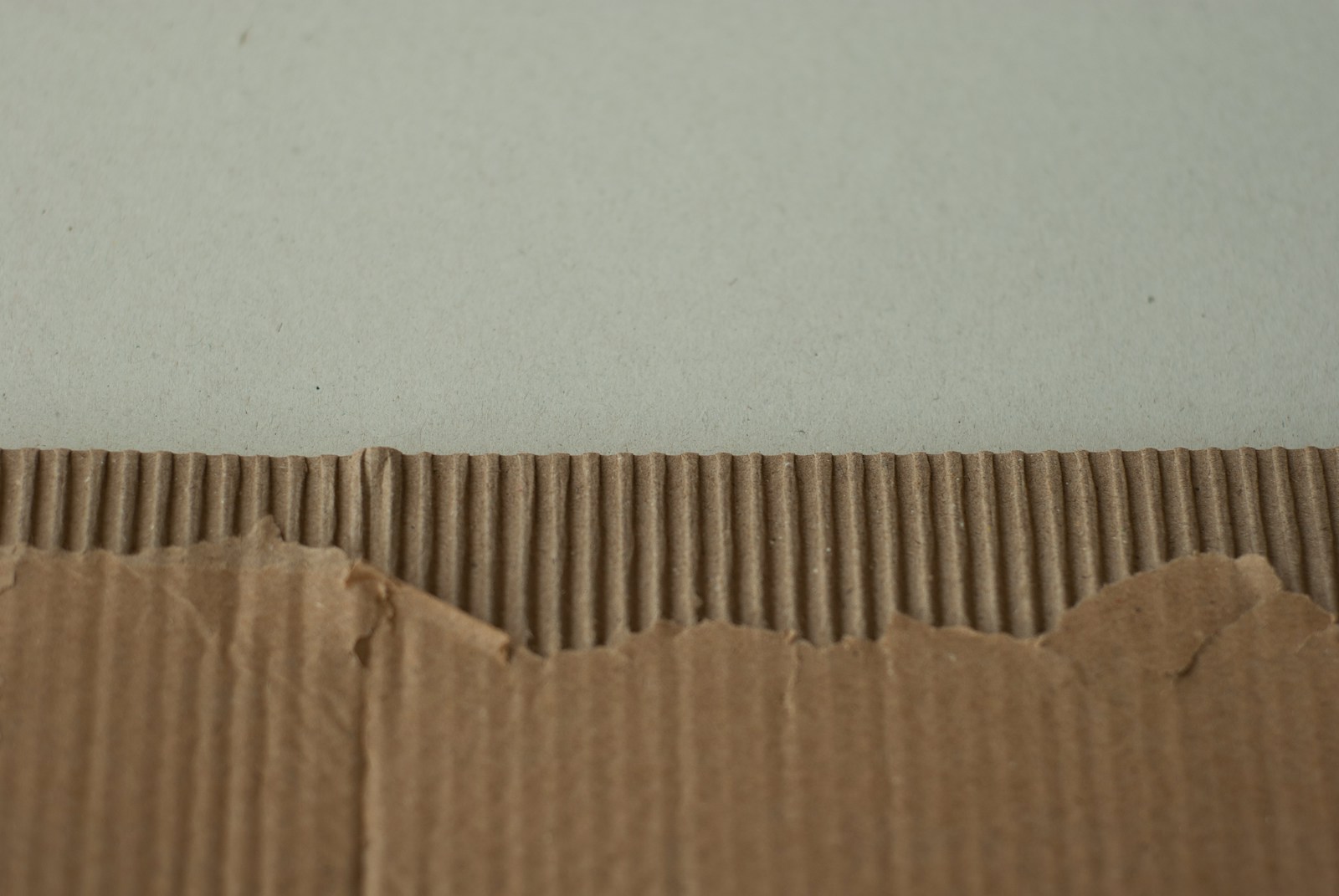
Corrugated board has a fluted, wavy layer between two flat liners. The flute size decides how thick, strong and printable the board is:
Mailers are also where inside printing earns its keep: a pattern, a thank-you message or care instructions printed on the inner lid is seen the moment the box opens. If you are unsure about dimensions, our mailer box sizes guide walks through measuring and fit allowances step by step.
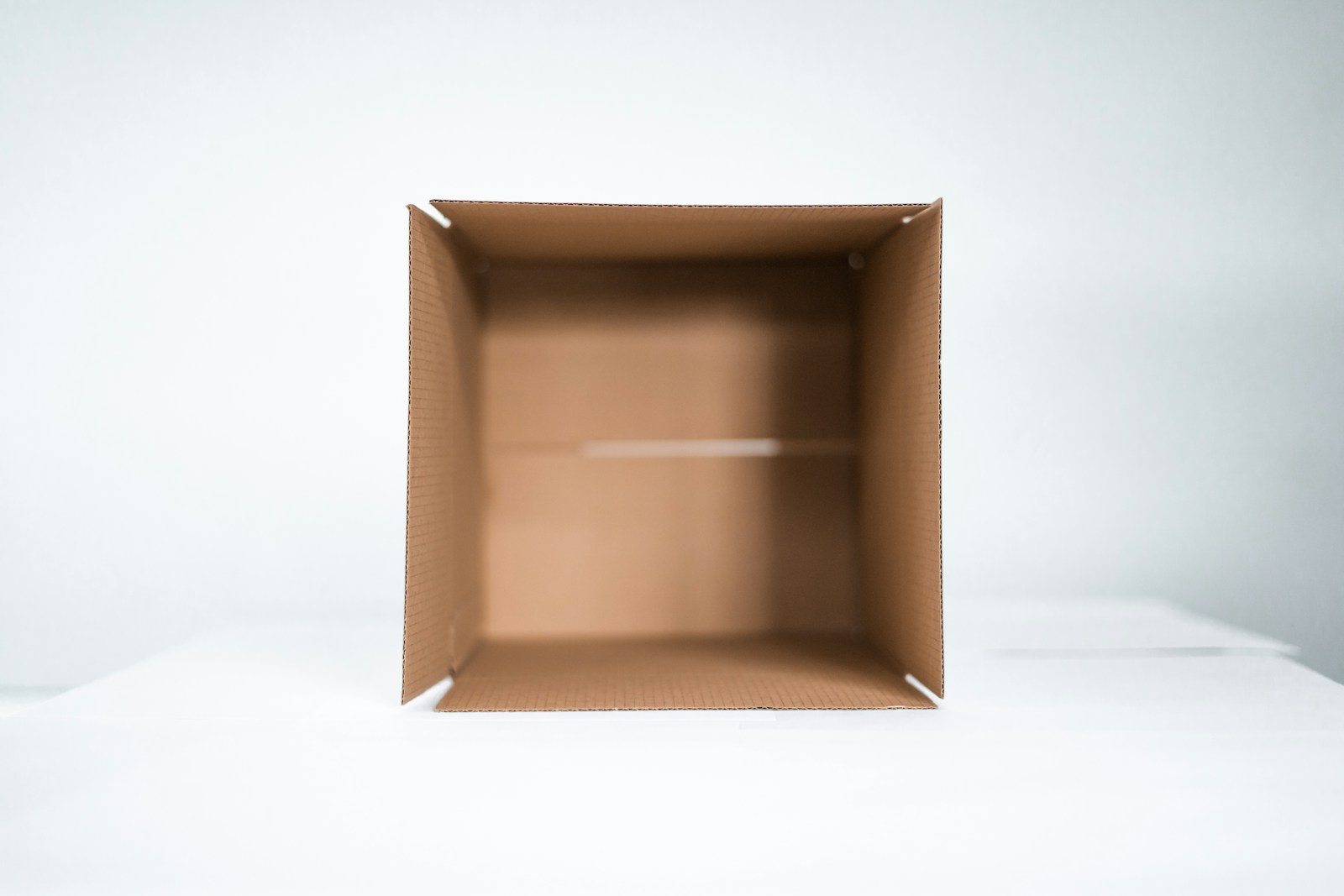
Folding cartons are printed paperboard boxes that are die-cut, creased and glued, then shipped flat and folded into shape at packing. They are the most common type of retail packaging in the world because they are light, inexpensive at volume, highly printable and easy to store. Paperboard thickness is usually described in points (pt) in North America, where one point equals 1/1000 inch; light items often use thinner board, while heavier bottles and jars need thicker board or an insert.
Common folding carton styles include:
Custom product boxes are the general-purpose folding carton for anything sold on a shelf or in a bundle: supplements, phone accessories, tea, toys, tools. They carry your product name, key claims, barcode and any required label information, and they protect the item from scuffs and handling. For e-commerce, a product box usually ships inside a mailer or shipper.
Custom cosmetic boxes are folding cartons designed for beauty products, where shelf appeal and finish matter as much as protection. Brands often add soft-touch lamination, foil stamping, embossing or spot UV, and use inserts to keep bottles upright. If you want a deeper dive on budgeting, see our breakdown of how much cosmetic boxes cost.
CBD boxes are folding cartons sized for tinctures, gummies, capsules, creams and topicals. They typically need generous label space for product details, batch or lot numbers and any QR code linking to lab results, plus inserts for dropper bottles. Our article on what kind of CBD boxes are perfect covers styles by product, and the CBD boxes in the USA guide explains US labeling considerations. Rules for hemp and CBD vary by state and change often, so always confirm current requirements for the states where you sell.
Kraft is a material rather than a box style. Kraft paperboard and kraft corrugated board are made from unbleached pulp, which gives them their brown, natural look and good strength for their weight. That means you can order custom kraft boxes as mailers, tuck end cartons, pillow boxes or sleeves.
Kraft works best with designs that embrace the brown base. Because the board is not white, printed colors look darker and more muted than on white board, and light colors such as pastel pink or pale yellow can almost disappear. Strong options include:
Kraft boxes are popular with candle makers, soap makers, coffee roasters, bakeries and apparel brands that want a handmade or sustainable look. Most plain kraft board is widely recyclable in curbside programs across the USA and Canada, though heavy plastic laminations or foil can make recycling harder, so keep finishes light if recyclability is part of your brand story.
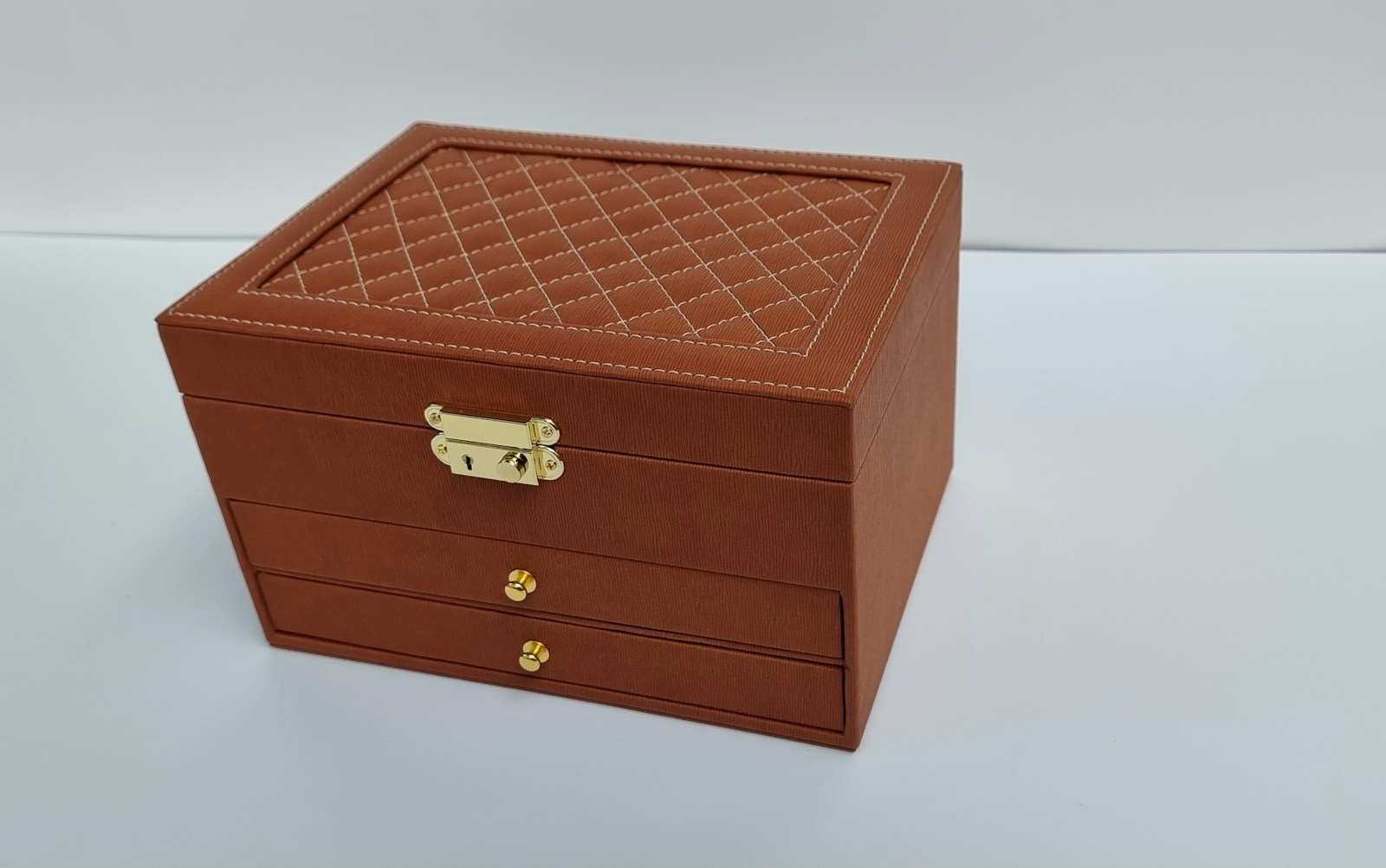
Custom rigid boxes, also called set-up boxes, are made from thick chipboard (often around 1/16 to 1/8 inch, or roughly 1.5 to 3 mm) wrapped in printed or specialty paper. Unlike folding cartons, most rigid boxes do not fold flat. They arrive assembled, feel heavy and solid in the hand, and are the packaging behind high-end watches, jewelry, fragrance sets, premium electronics and corporate gifts.
The main rigid box styles are:
Rigid boxes are not designed to survive carrier networks on their own, so e-commerce brands usually ship them inside a plain or printed mailer. If you are deciding between a rigid box and a carton, our comparison of rigid boxes vs folding cartons goes through cost, feel and logistics side by side.
Custom pillow boxes have curved sides and closing flaps that tuck in at each end, giving a soft pillow shape. They ship flat, assemble in seconds and suit light items such as jewelry, hair accessories, gift cards, socks and wedding or event favors. They are not meant for heavy or fragile products.
Custom candle boxes need to protect glass and keep jars from cracking or chipping in transit. Look for thicker board or a rigid structure for heavy jars, a die-cut insert that stops the candle from shifting, and enough label space for scent notes, burn time and safety warnings. Tins are lighter and often go in simple tuck end boxes.
Custom bath bomb boxes are usually small cartons, cubes or multi-cavity gift boxes. Bath bombs are fragile and react with moisture, so many brands shrink-wrap each one first, then use a fitted insert. A die-cut window lets shoppers see colors and textures, which helps sales in gift shops and markets.
Food-safe packaging covers bakery boxes, cupcake boxes, chocolate boxes, snack cartons and takeout containers. If food touches the packaging directly, the board, coatings and inks must be suitable for food contact. In the USA, food-contact materials fall under FDA rules; in Canada, Health Canada oversees food packaging materials. Ask your supplier which materials are intended for direct food contact and, when in doubt, use a food-grade liner or wrap between the product and the printed box.
Custom poly mailer bags are lightweight, water-resistant plastic envelopes with a self-seal strip. Because they weigh very little and take up little space, they keep postage low for apparel, swimwear, textiles and other soft, non-fragile goods. They do not protect against crushing, so anything breakable belongs in a box.
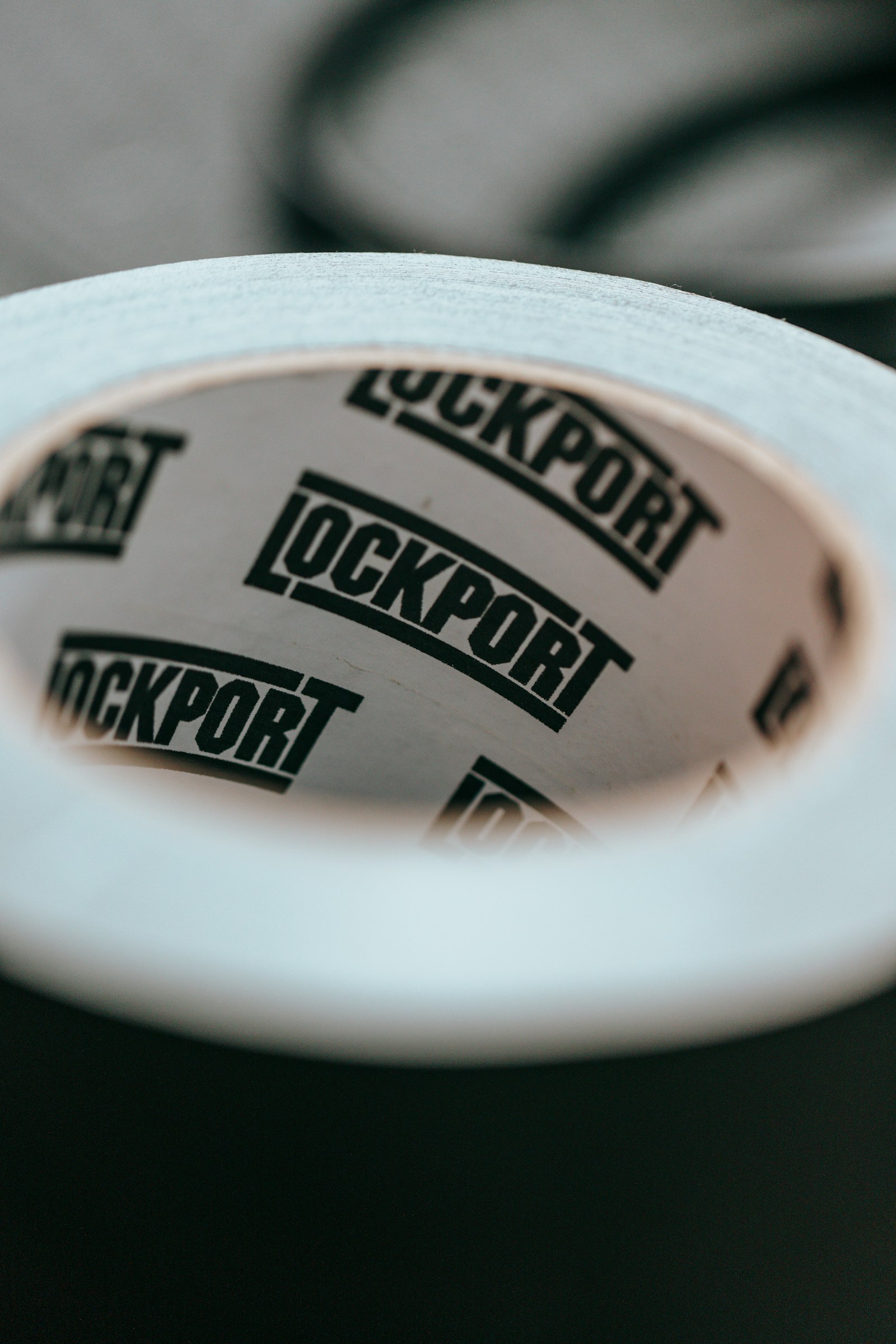
Custom branded tape turns a plain stock shipping box into a branded package for very little cost. It is a smart first step for brands that are not ready for fully printed boxes, and it can also show visible signs of tampering because printed tape is harder to reseal invisibly.
Custom labels carry product information on jars, bottles, pouches and boxes, and can seal tissue paper or close a pillow box. They are also useful when you need to update ingredients, batch numbers or translations without reprinting an entire box run.
Inserts are the die-cut cardboard, paperboard or foam pieces inside a box that hold products in place. They reduce breakage, make multi-item kits look organized and often let you use a thinner outer box. Learn more in our guide to packaging inserts.
The best packaging type is the cheapest one that fully does the job. Work through this checklist for each product before you request quotes:
To make step one easier, here is how common packaging goals map to packaging types:
| Your main goal | Best-fit types | Why |
|---|---|---|
| Lowest shipping cost | Poly mailers, compact mailer boxes | Light weight and small dimensions keep billed weight down |
| Maximum protection | B-flute mailer boxes with inserts | Corrugated board absorbs impact; inserts stop movement |
| Retail shelf appeal | Product boxes, cosmetic boxes, display cartons | Smooth paperboard prints sharply and stacks neatly |
| Premium gifting | Rigid boxes, sleeve and tray cartons | Weight, structure and finishes signal quality |
| Natural or sustainable look | Kraft boxes, kraft mailers, paper tape | Unbleached board and minimal ink feel honest and earthy |
| Smallest budget to start branding | Branded tape and labels on stock boxes | Brand every order without a full printed box run |
Pro tip: Before choosing a premium type for your whole range, try a “hero plus workhorse” approach. Put your bestseller or gift set in a rigid or finished cosmetic box, and ship everything else in a well-printed mailer. You get the premium moment where it matters most without paying rigid-box prices on every order. If you need help planning the system, our custom design boxes service includes free design support.
Two boxes of the same type can differ widely in price. These are the factors that move the number most, roughly in order of impact:
| Cost factor | How it affects price | How to save |
|---|---|---|
| Packaging type | Rigid boxes cost several times more than folding cartons because of thicker board and hand assembly | Reserve rigid boxes for hero products and gifts |
| Size | Larger boxes use more board and cost more to ship | Size to the product with a modest fit allowance |
| Quantity | Setup costs spread over more units, so unit price falls as quantity rises | Order a combined run for products that share one size |
| Material and board grade | Thicker paperboard, B-flute and specialty papers cost more | Use the lightest board that passes a drop test |
| Print coverage and colors | Full-bleed outside and inside printing costs more than a logo on bare board | Use bold, simple designs; add inside print only where it is seen |
| Finishes | Foil, embossing, spot UV and soft-touch lamination add steps | Pick one standout finish rather than stacking several |
| Inserts and windows | Extra die-cut parts and window film add material and labor | Use an insert only when products move or break |
Shipping costs for your finished orders matter too. A box that is one inch deeper than needed can raise the billed weight of every parcel through dimensional pricing. For a full worked example of mailer box pricing, read how much mailer boxes cost.
We make every type of custom packaging in this guide for brands across the United States and Canada, with free shipping to both countries. The packaging types are the same on both sides of the border, but a few market realities change how you size, label and design them.
UPS and FedEx bill many parcels by dimensional weight, calculated from the outside length, width and height in inches divided by a carrier divisor, with the result in pounds. USPS also applies dimensional pricing to larger parcels. That makes compact mailers and poly mailers especially valuable for US e-commerce. On retail packaging, consumer products generally need a net quantity statement, and US rules typically expect it in both US customary units (such as ounces) and metric units (such as grams or milliliters). Cosmetics, supplements, food and CBD have additional federal and state requirements, so check current FDA guidance and the rules in each state where you sell.
Canadian carriers usually calculate volumetric weight in metric, dividing length × width × height in centimeters by a carrier-specific divisor and comparing it to the actual weight in kilograms. Most mandatory consumer label information must appear in both English and French, so plan panel space for two languages from the start, especially on small cosmetic boxes and labels. Cosmetics fall under Health Canada oversight. CBD is regulated as cannabis in Canada and is subject to strict plain-packaging rules, so branded custom CBD boxes like those sold in the USA are generally not an option for the Canadian market; talk to a regulatory advisor before planning any cannabis packaging there.
| What matters | United States | Canada |
|---|---|---|
| Measurements to give your supplier | Inches (cm accepted) | Centimeters or inches |
| Shipping weight basis | Dimensional weight in inches and lb | Volumetric weight in cm and kg |
| Label language | English | Most mandatory information in English and French |
| Net quantity units | US customary and metric | Metric (other units may also appear) |
| Regulators to check (general) | FDA, FTC and state rules | Health Canada and federal labeling rules |
| Branded CBD boxes | Possible, subject to state rules | Not permitted: cannabis plain-packaging rules apply |
| Free shipping on packaging orders | Yes | Yes |
Not sure which type fits? Contact our team with a photo and dimensions of your product and we will recommend options.
The main types are corrugated mailer boxes, paperboard folding cartons (product, cosmetic and CBD boxes), kraft boxes, rigid boxes, specialty boxes such as pillow, candle, bath bomb and food-safe boxes, and flexible poly mailers. Branded tape, labels and inserts complete the system.
Poly mailers, small folding cartons and labels are usually the most affordable per unit. Branded tape on stock boxes is the lowest-cost way to brand every shipment. Rigid boxes are the most expensive type.
A mailer box is made of corrugated board and is strong enough to ship on its own. A product box is a thinner paperboard carton designed for retail display and close protection, and it usually ships inside a mailer or shipping box.
For most online brands, printed corrugated mailer boxes offer the best balance of protection and unboxing experience. Soft, non-fragile goods such as apparel often ship more cheaply in poly mailers.
Yes, in most cases. Most mandatory consumer label information sold in Canada must appear in both English and French, with some exceptions. Plan bilingual panel space on your boxes or labels and check the current federal rules for your product category.
Yes. Custom Made Packaging produces most packaging types from a minimum order of 30 boxes, with free design support and free shipping anywhere in the USA and Canada.
Standard production takes 10–15 business days after you approve your design, or 8–12 business days with rush production. Your 2D and 3D mockup arrives within 48 hours of ordering, so plan a few extra days for design review.
The main types of custom packaging include mailer boxes, product boxes, kraft boxes, cosmetic boxes, rigid boxes, pillow boxes, food-safe packaging and poly mailers. Each one balances protection, presentation and price differently. Compare the types of custom packaging by how your product ships, where it is sold and your budget, then choose one or two styles that cover most of your range.
Get the custom quote starting from our MOQ of 30 boxes to any order volume. There will be no charges for shipping and we ensure the lowest prices with highest quality possible.
Get a custom quote for custom boxes starting from our MOQ of 30 boxes to any order volume. Shipping is free and we ensure the lowest prices with the highest quality possible.
Request instant quote