Free Delivery: 


Our facilities are now open for visits. Please contact your PIC or email us at contact@custommadepackaging.com to request a visit.
Free Delivery:
Home – Blogs – Custom Cosmetic Boxes: 10 Best Expert Design Tips 2026
 – Blogs
by Custom Made Packaging Team – November 20, 2026 · 16 min read
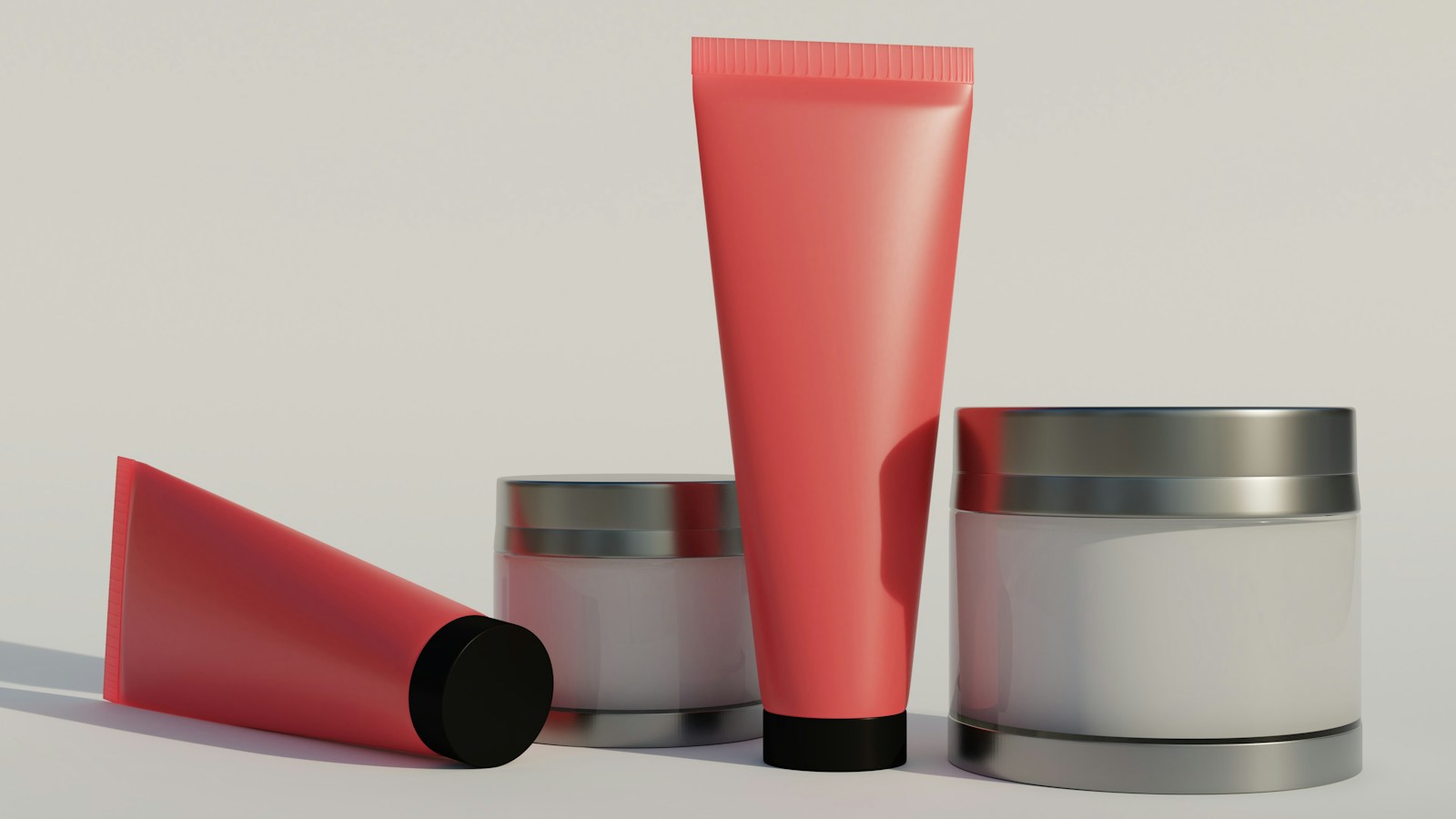
Custom cosmetic boxes are printed folding cartons or rigid boxes made to the exact size of your serum, cream, lipstick, palette or fragrance, and they are usually the first physical thing a customer touches from your brand. A well-designed box protects a fragile glass bottle in transit, carries the labeling information regulators expect, and does a surprising amount of selling on a shelf or in an unboxing video.
This guide is written for small and mid-size beauty businesses in the United States and Canada. You will learn what custom cosmetic boxes are, which box styles and boards suit different products, how to size a box correctly, what drives the price, how labeling differs between the US and Canada, and the ten design tips our team gives every beauty brand before production.
If you already know what you need, you can skip straight to the ordering steps. Custom cosmetic boxes from Custom Made Packaging start at $0.30 per box with a 30-box minimum, free design support and free shipping anywhere in the USA and Canada.
Custom cosmetic boxes are secondary packaging: the printed carton that holds the primary container (the bottle, jar, tube, compact or palette) and presents it to the customer. “Custom” means the dieline, dimensions, artwork, board and finish are all built for your product rather than pulled from a stock catalog. The result fits snugly, matches your brand colors exactly and carries the information you choose.
Most custom cosmetic boxes fall into three families. Folding cartons are die-cut from a single sheet of paperboard, shipped flat and assembled by hand, which keeps the unit price low. Rigid boxes are built from thick chipboard wrapped in printed paper and arrive fully formed, which is why they are used for premium skincare and fragrance. Sleeves and window boxes sit between the two and are popular for palettes and gift sets.
Whichever family you choose, the goal is the same: protect the product, communicate the brand and comply with labeling rules in the market where you sell. Our cosmetic boxes page shows the most common configurations we produce for beauty brands.
Beauty is one of the few categories where the packaging is judged almost as closely as the product. Customers cannot smell a fragrance or feel a cream through a screen, so the box has to do the persuading. Custom cosmetic boxes earn their cost in four ways:
Stock boxes can work for a first test batch, but the moment you have a logo, a color palette and more than one SKU, custom cosmetic boxes are usually the more economical choice because you stop paying for wasted space and filler. Our guide on how much cosmetic boxes cost breaks the numbers down.
These are the ten recommendations our design team gives most often when a beauty brand sends its first artwork. Each one fixes a problem we see on real files every week.
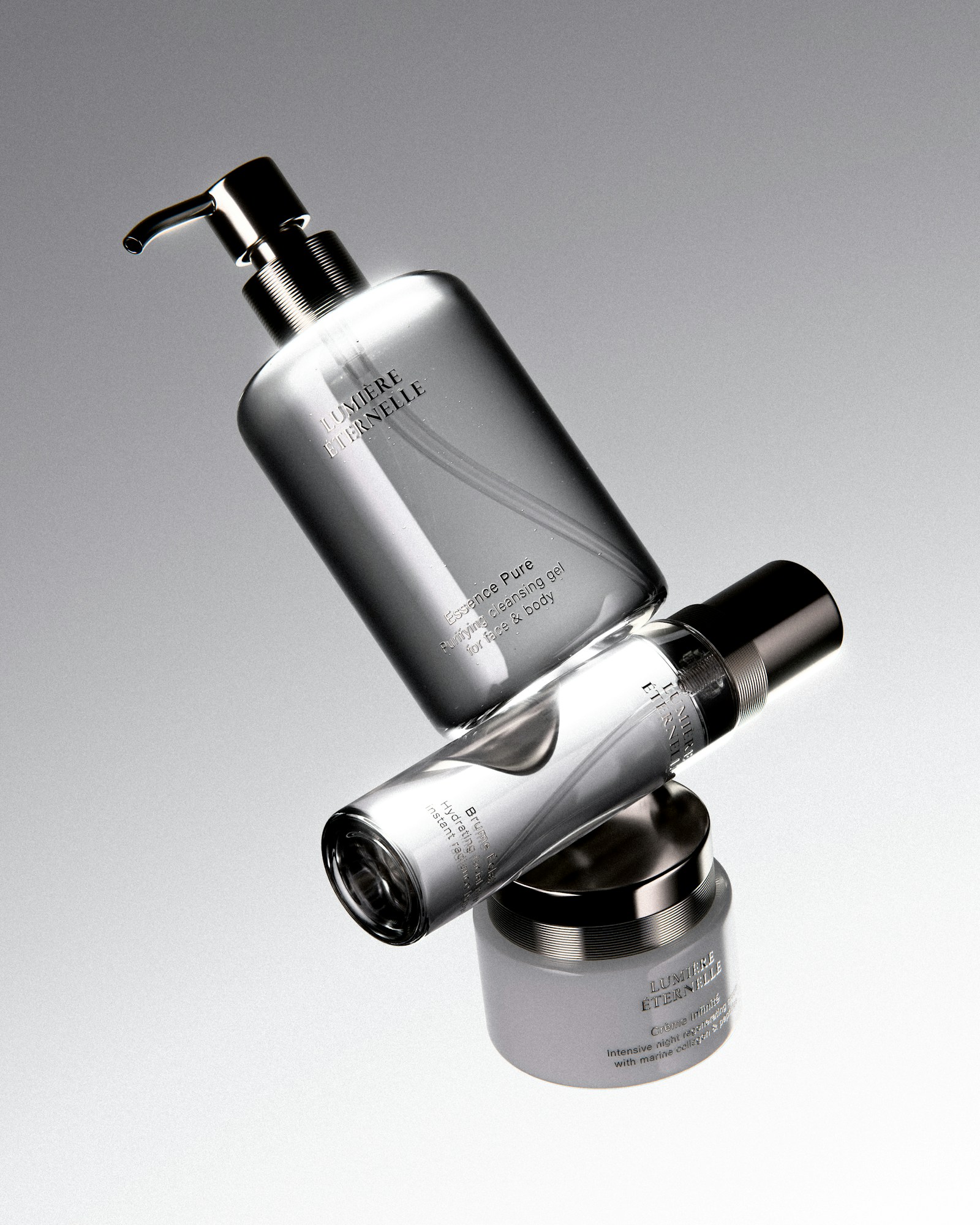
We offer more than 100 box styles, but a handful cover most beauty products. The table below pairs the most common styles with the products they suit and a rough starting price so you can shortlist quickly.
| Box style | Best for | Why it works | Starting price |
|---|---|---|---|
| Straight tuck end carton | Tubes, small bottles, lip products | Lowest cost, fast to assemble, prints on all panels | From $0.30 |
| Reverse tuck end carton | Jars, pump bottles, heavier skincare | Opposing flaps resist opening under weight | From $0.30 |
| Snap-lock (1-2-3) bottom | Glass jars, 4 oz+ bottles | Locked base holds heavy containers | From $0.35 |
| Window carton | Palettes, bath products, color cosmetics | Shows shade or product through a clear patch | From $0.45 |
| Sleeve and tray | Gift sets, minis, sample kits | Slides open for an unboxing moment | From $0.60 |
| Rigid two-piece box | Fragrance, luxury serums, holiday sets | Thick chipboard, premium hand feel | From $3.00 |
| Magnetic closure rigid box | Premium gift sets, influencer kits | Reusable, satisfying close | From $3.00 |
Folding cartons ship flat, so you store hundreds in a small space and assemble them as orders come in. Rigid options arrive pre-formed and take more room, which matters if you fulfill from a spare bedroom. For a deeper comparison of each option see our cosmetic box styles guide, and for premium formats see our rigid boxes page.
Board choice decides how the box feels in the hand, how well it protects, and how crisp the print looks. Custom cosmetic boxes are usually made from one of four materials:
| Material | Typical thickness | Look and feel | Best for |
|---|---|---|---|
| SBS (solid bleached sulfate) paperboard | 14 pt to 18 pt (about 0.36 to 0.46 mm) | Bright white, smooth, excellent color reproduction | Skincare, makeup, most retail cartons |
| Kraft paperboard | 16 pt to 24 pt | Natural brown, slightly textured, eco look | Natural and organic beauty, soap, bath products |
| Recycled (CCNB) board | 18 pt to 24 pt | White top layer over gray recycled core | Budget lines, inner cartons |
| Rigid chipboard with printed wrap | 1.5 mm to 2.5 mm | Heavy, stiff, luxurious | Fragrance, luxury serums, gift sets |
For most skincare and color cosmetics, 16 pt SBS is the sweet spot: stiff enough to protect a glass bottle, thin enough to fold cleanly and print beautifully. Move to 18 pt or 24 pt when the container is heavy or the box is large. If sustainability is part of your brand story, kraft board and FSC-certified paper are both available; our eco-friendly cosmetic boxes guide explains the certifications and claims you can make.
Cosmetic boxes live in bathrooms and makeup bags, so moisture and oils matter. A gloss or matte aqueous coating is the minimum; matte or soft-touch lamination adds a plastic film that resists scuffing and fingerprints. Ask for a varnish-free zone if you plan to apply a batch label or lot sticker later.
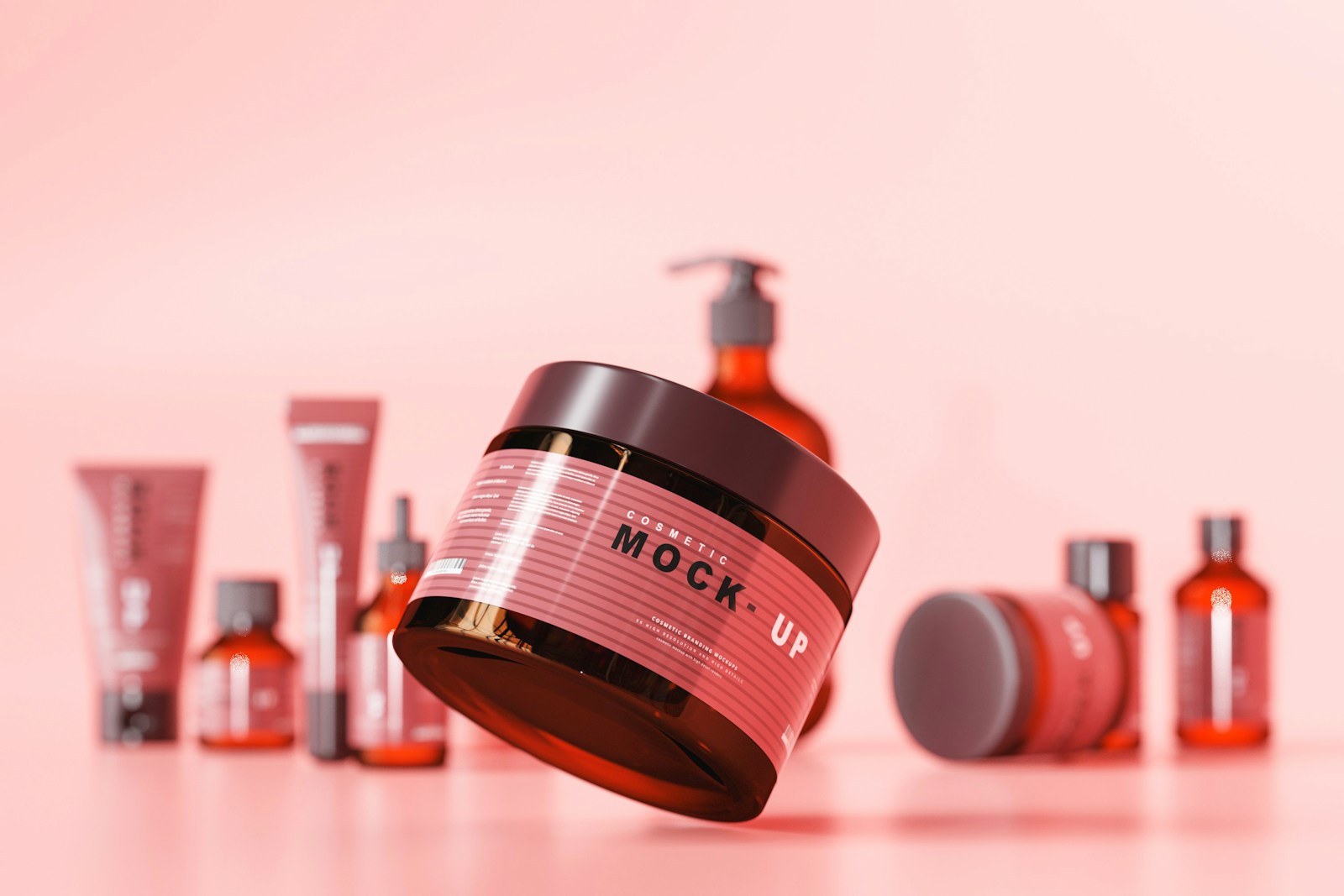
Print is where custom cosmetic boxes separate themselves from stock cartons. Full-color CMYK offset printing is standard and handles photography and gradients well. From there you add finishes that change the texture and catch light:
Pro tip: Order your first run of custom cosmetic boxes with one finish on the front panel only. You can see how the foil or spot UV reads on a real shelf and add the back and sides on the reorder, when you know the design works.
Sizing is the step most first-time buyers get wrong. Custom cosmetic boxes are built to inside dimensions written as Length × Width × Depth, and every measurement should come from the container at its widest point, including the cap, pump head or dropper bulb.
| Product | Common container | Typical inside box size (inches) | Metric (cm) |
|---|---|---|---|
| Lipstick or lip balm | 0.1 to 0.15 oz bullet | 1 × 1 × 3.5 | 2.5 × 2.5 × 8.9 |
| Serum or facial oil | 1 oz (30 ml) dropper bottle | 1.5 × 1.5 × 4.5 | 3.8 × 3.8 × 11.4 |
| Face cream | 1.7 oz (50 ml) jar | 2.5 × 2.5 × 2.5 | 6.4 × 6.4 × 6.4 |
| Moisturizer or cleanser | 3.4 oz (100 ml) pump bottle | 2 × 2 × 6 | 5.1 × 5.1 × 15.2 |
| Eyeshadow palette | 4 to 12 pan compact | 6 × 4 × 1 | 15.2 × 10.2 × 2.5 |
| Perfume | 1.7 oz (50 ml) flacon | 2.5 × 2.5 × 5 | 6.4 × 6.4 × 12.7 |
Treat these as starting points. Containers from different suppliers vary by a fraction of an inch, which is enough to make a carton too tight or too loose. Skincare brands with several bottle sizes should read our cosmetic boxes for skincare guide, which includes a sizing worksheet.
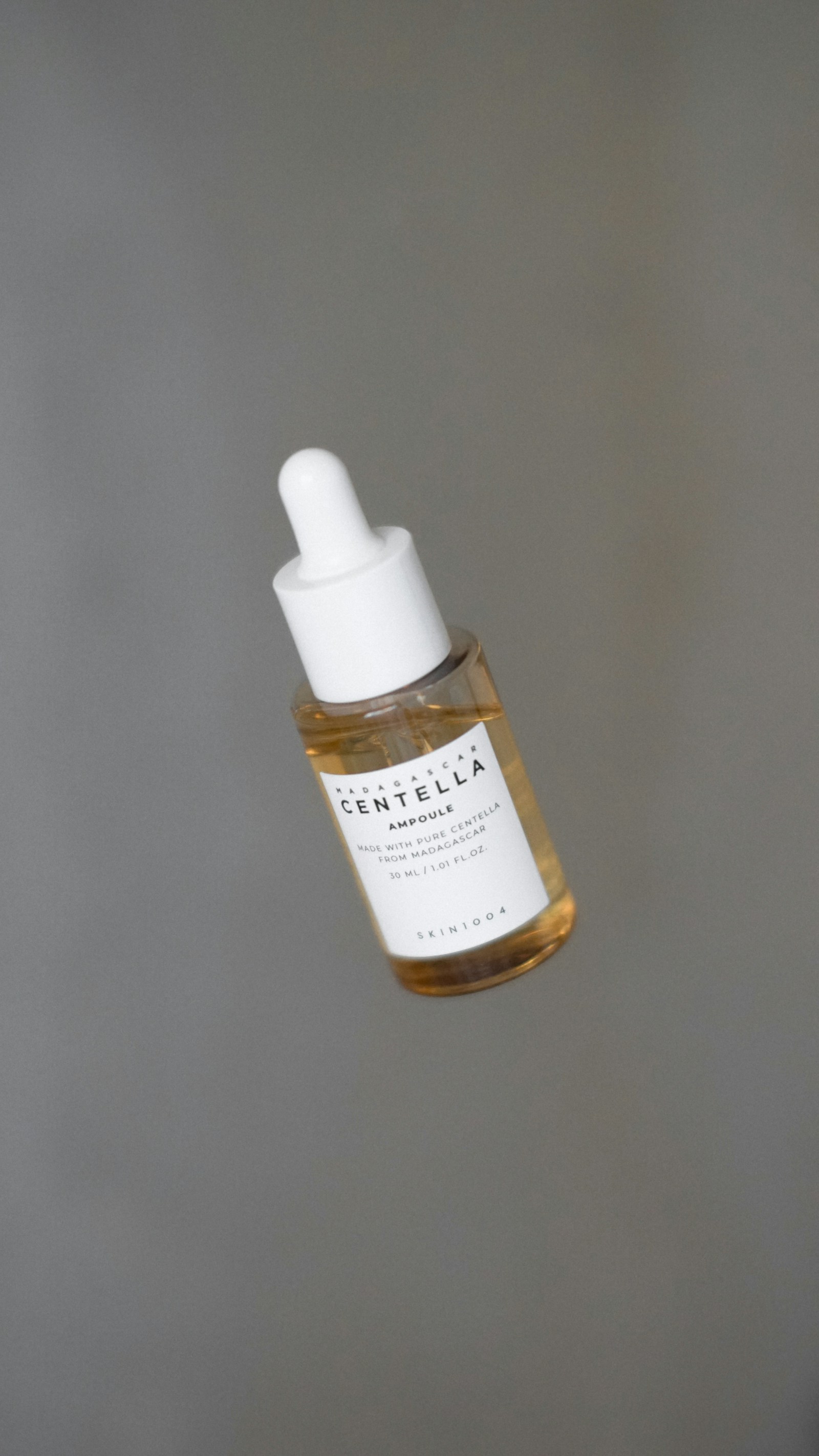
Cosmetic packaging is regulated, and the outer carton usually carries the required statements. The details differ between countries, so confirm them with the regulator before you print, but the core elements are consistent across North America:
In the US, the FDA’s cosmetics guidance is the starting point. In Canada, Health Canada sets the rules, and bilingual English and French labeling applies to most consumer products. Reserve the back panel of your custom cosmetic boxes for this content from day one so you are not squeezing a 40-ingredient list into a corner at the end.
Custom cosmetic boxes from Custom Made Packaging start at $0.30 per box for a simple folding carton and from $3.00 for rigid boxes. The exact unit price depends on a small number of variables, and knowing them lets you steer the quote toward your budget.
| Cost factor | Effect on unit price | How to control it |
|---|---|---|
| Quantity | Largest effect; setup costs spread over more boxes | Order 30 to test, then 250 to 1,000 for launch runs |
| Box size | More board per box and larger sheets | Size to the container, avoid empty space |
| Board weight | Heavier board costs more per sheet | Use 16 pt unless the product is heavy or large |
| Print coverage | Full-bleed solids and heavy ink add cost | Keep large panels white or lightly tinted |
| Finishes | Foil, spot UV and embossing add tooling and passes | Choose one hero finish |
| Inserts | Extra die and assembly | Use a simple paperboard cradle instead of foam |
| Rush production | Compresses 10-15 days to 8-12 business days | Order early and use standard turnaround |
Shipping is free for every order within the USA and Canada, so the quoted unit price is the delivered price. If you want to see how each option changes the total, request a quote with two or three configurations and compare them side by side.
Run through these steps before you approve production. Each one takes a few minutes and prevents a reprint.
We make custom cosmetic boxes for beauty brands across both countries, with free shipping to either. The box itself is the same; what changes is the labeling, the units and how your customers expect to receive it.
US beauty brands usually work in inches and fluid ounces, show net quantity in US customary units with metric alongside, and follow FDA cosmetic labeling requirements. Boxes ship mostly through USPS, UPS and FedEx, all of which bill many parcels by dimensional weight, so a compact carton inside a snug mailer keeps your per-order shipping cost down. Single-language English labeling is standard.
Canadian brands typically specify dimensions in centimeters and net quantity in metric. Health Canada regulates cosmetics, and most consumer packaging must carry mandatory information in both English and French, which means more text on the panels and often a slightly larger carton. Canada Post and the major couriers quote volumetric weight in metric, so the same compact-box logic applies. Send us your dimensions in centimeters and we will build the dieline from them.
| United States | Canada | |
|---|---|---|
| Regulator | FDA (cosmetics) | Health Canada |
| Label languages | English | English and French |
| Net quantity | US customary with metric, e.g. 1 fl oz (30 ml) | Metric, e.g. 30 ml |
| Dimensions usually given in | Inches | Centimeters |
| Common carriers | USPS, UPS, FedEx | Canada Post, UPS, FedEx, Purolator |
| Shipping from Custom Made Packaging | Free | Free |
If you are comparing custom cosmetic boxes with other formats, the same process applies to our rigid boxes and product boxes, and you can combine several styles in one order.
Folding carton custom cosmetic boxes start at about $0.30 per box, and rigid boxes start at about $3.00. Quantity, size, board weight, finishes and inserts move the price from there. Shipping within the USA and Canada is free.
The minimum order at Custom Made Packaging is 30 boxes, which lets small beauty brands test a design before scaling. Larger quantities lower the unit price because setup costs are spread across more boxes.
For most skincare and makeup, 16 pt SBS paperboard offers the best balance of strength, print quality and cost. Use 18 pt or heavier for large or heavy containers, kraft board for a natural look, and rigid chipboard for luxury or fragrance.
Retail cosmetics sold in the United States are generally expected to show an ingredient declaration, product identity, net quantity and the responsible business’s name and address. Check the FDA’s cosmetic labeling guidance for your product type before you finalize artwork.
Most consumer product packaging sold in Canada must present mandatory information in both English and French. Plan the extra text when you choose the box size so the back panel stays readable.
You receive a 2D and 3D mockup within 48 hours of your quote request. After approval, standard production takes 10-15 business days, or 8-12 business days with rush service, and shipping to the USA and Canada is free.
Yes. A die-cut window with a clear film patch is a popular option for palettes, lip products and bath items where the customer wants to see the shade or color. It adds a small amount to the unit price.
Yes, and for a new dieline we recommend it. A physical sample confirms the fit, the color and how the finish reads in daylight, which a screen mockup cannot fully show.
Get the custom quote starting from our MOQ of 30 boxes to any order volume. There will be no charges for shipping and we ensure the lowest prices with highest quality possible.
Get a custom quote for custom boxes starting from our MOQ of 30 boxes to any order volume. Shipping is free and we ensure the lowest prices with the highest quality possible.
Request instant quote