Free Delivery: 


Our facilities are now open for visits. Please contact your PIC or email us at contact@custommadepackaging.com to request a visit.
Free Delivery:
Home – Blogs – Custom Printed Boxes: 9 Proven Methods & Best Tips 2026
 – Blogs
by Custom Made Packaging Team – November 14, 2026 · 17 min read

Custom printed boxes are packaging made to your exact size, board and artwork, with your logo, colors and messaging printed directly onto the box instead of added with a label. For a small or mid-size brand, they are the fastest way to make a product look like it belongs on a shelf or in a customer’s hands, and they cost far less than most owners expect, with runs starting from just 30 boxes.
This guide explains the nine printing methods and finishes you can choose from, which box styles and materials print best, how to prepare artwork so the first run comes out right, what drives the price, and how ordering works in the United States and Canada. By the end you will know exactly what to ask for when you request a quote.
A custom printed box is any box where the graphics are part of the box itself. The board is printed before it is cut and folded, so the logo, pattern or product information wraps cleanly around corners and edges. That is the difference between a printed box and a plain stock box with a sticker on top.
Custom printed boxes pay off in three situations. First, when the box is the first thing a customer touches, which is true for every e-commerce order. Second, when the box sits on a retail shelf next to competitors and has to earn attention in a second or two. Third, when you ship the same product repeatedly and want a repeatable, professional look without hand-applying labels.
| Custom printed boxes | Stock boxes with labels | |
|---|---|---|
| Look and feel | Seamless, branded on every panel, premium | Generic brown or white with a small branded area |
| Labor per order | None; the box arrives ready to pack | Someone applies a label to every box |
| Size | Made to your product’s exact dimensions | Nearest available stock size, often oversized |
| Minimum order | From 30 boxes | Often by the bundle of 25 to 50 |
| Unit cost | From about $0.50 to $3 depending on style | Lower per box, higher once labels and labor are added |
Printing method is the single most important technical decision behind custom printed boxes, because it sets the minimum quantity, the color accuracy and a large share of the unit price. The first five methods below put ink on the board. The last four are finishes and embellishments that are added on top of, or instead of, standard ink.
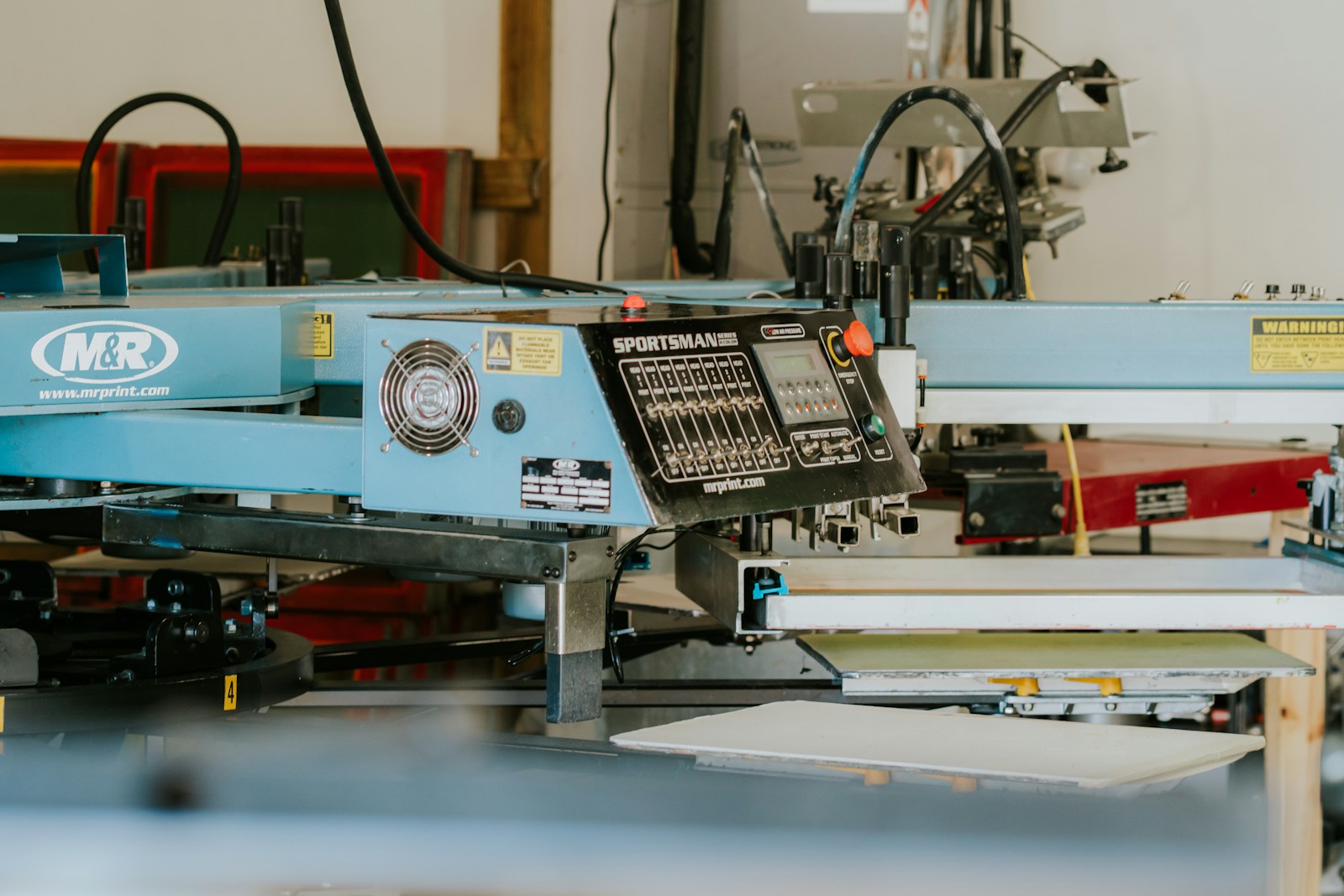
Digital printing sends your artwork straight from the file to the press with no printing plates. That is why it is the default for short runs of custom printed boxes: there is no plate charge, every box can carry a different design if you want, and turnaround is fast. Color is full CMYK, photos reproduce well, and modern presses print directly on corrugated and paperboard. The trade-off is a higher cost per unit once you pass a few thousand boxes.
Offset printing transfers ink from metal plates to a rubber blanket and then to the sheet. It delivers the sharpest detail and the most accurate Pantone matches, which is why premium cosmetic and food cartons are usually offset printed. For corrugated boxes, the printed sheet is laminated onto the flute, a process called litho-lamination. Plates cost money, so offset makes sense from roughly 1,000 to 2,000 units upward.
Flexo uses flexible rubber or polymer plates and fast-drying inks, printing directly onto corrugated board at high speed. It is the workhorse behind shipping cartons with one, two or three spot colors. Fine detail and photographs are not its strength, but for a bold logo on a brown kraft mailer in volume, flexo is hard to beat on price.
Screen printing pushes thick ink through a mesh stencil. It lays down an opaque, vibrant layer, so it is the right choice for white or metallic ink on dark board, or for a single bold graphic on a rigid gift box. It is slower and usually limited to one or two colors, so it suits small premium runs rather than high-volume shipping boxes.
A single color of ink, typically black or a dark brand color, printed on natural kraft board is the most economical form of custom printed boxes. It keeps plate and ink costs minimal, hides scuffs well and gives an honest, eco-forward look. Because kraft is brown, expect colors to shift warmer and lighter shades to lose contrast, so keep artwork bold and simple.
Foil stamping uses heat and a metal die to press a thin layer of metallic or pigment foil onto the board. Gold, silver, copper, rose gold and holographic foils are common. It is a finishing step applied after printing, priced by the size of the foiled area, and it is the quickest way to make a logo on a black or white box look expensive.
Embossing raises a design above the surface; debossing presses it in. Both are made with a custom die and work best on thicker paperboard or rigid boxes, where the board can hold the shape. Pair a deboss with foil for a classic luxury look, or use a blind emboss (no ink) for a subtle, tactile logo.
Spot UV is a clear, glossy coating applied only to selected areas and cured with ultraviolet light. Against a matte laminated background, a spot UV logo or pattern catches the light and adds depth without adding color. It is popular on cosmetic, supplement and electronics cartons.
Printing the inside of the lid or the interior walls is a low-cost upgrade for mailer, kraft, product and CBD boxes. A plain brown exterior with a bold pattern, thank-you message or brand story inside creates the “surprise” moment customers photograph and share. Because the inside is a second print pass, it adds a modest amount to the unit price.
| Method | Best quantity | Color capability | Typical use |
|---|---|---|---|
| Digital | 30 to 2,000 | Full CMYK, photos | Mailer, product and cosmetic boxes in short runs |
| Offset / litho-lam | 1,000 and up | CMYK plus exact Pantone | Retail cartons, premium corrugated |
| Flexographic | 2,000 and up | 1 to 3 spot colors | Shipping boxes, kraft mailers |
| Screen | 30 to 500 | 1 to 2 opaque colors | Rigid gift boxes, dark board |
| One-color kraft | 30 and up | 1 color | Budget eco packaging |
| Foil / emboss / spot UV | Any | Finish, not ink | Luxury accents on any box |
| Inside printing | Any | Same as outside | Unboxing experience |
Almost any of the 100+ box styles Custom Made Packaging produces can be printed, but a few styles are chosen far more often for custom printed boxes because their large, flat panels show artwork well.
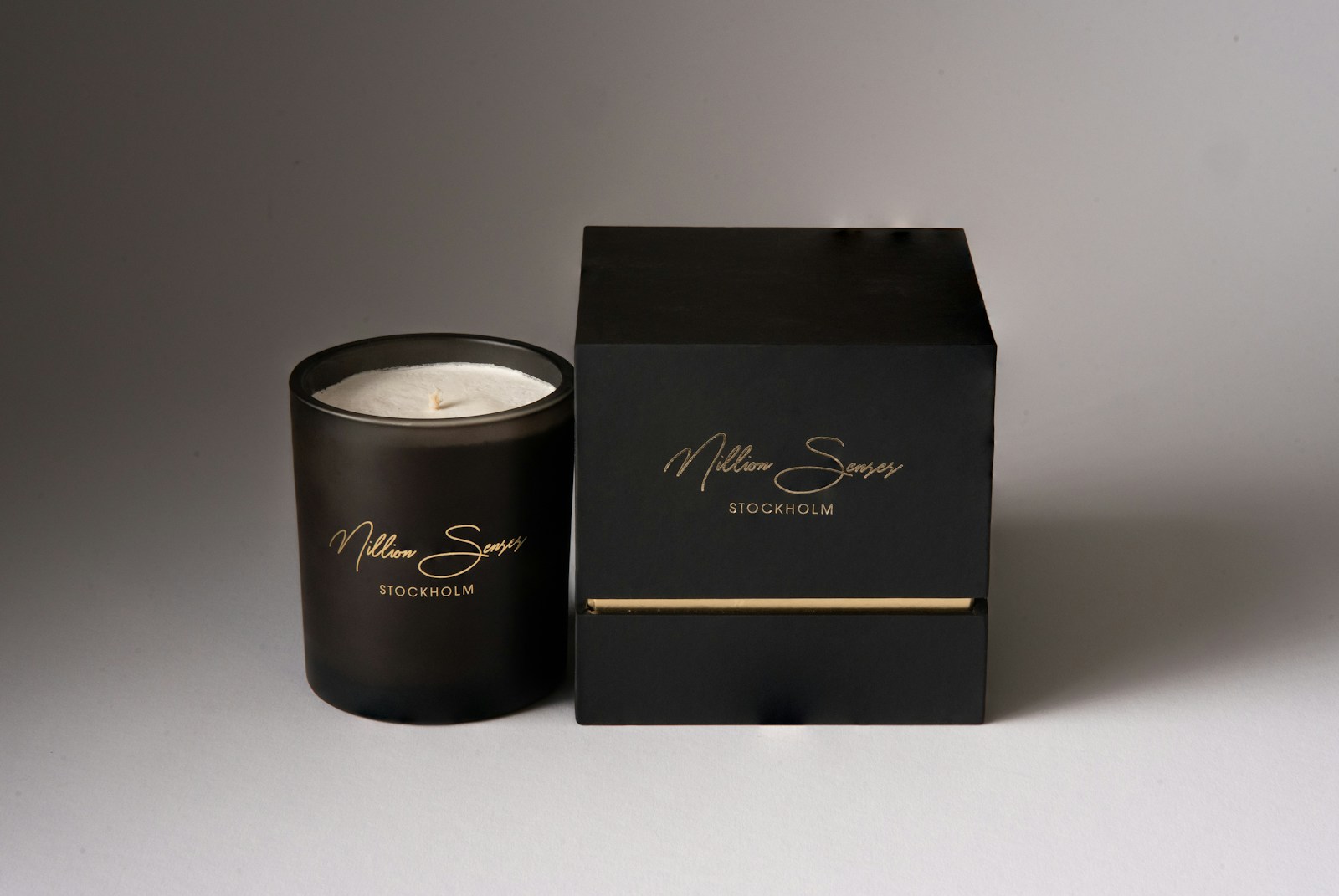
| Box style | Usual board | Best printing methods | Starting price |
|---|---|---|---|
| Mailer box | E-flute or B-flute corrugated | Digital, flexo, inside printing | $0.90 |
| Product box | 14 pt to 24 pt paperboard | Digital, offset, spot UV | $0.80 |
| Kraft box | Kraft paperboard or corrugated | One-color, digital | $0.50 |
| Rigid box | Chipboard with printed wrap | Offset wrap, foil, emboss | $3.00 |
| Cosmetic box | 16 pt to 18 pt SBS board | Offset, digital, spot UV, foil | $0.30 |
The board you choose decides how colors look and how the box survives shipping. White-coated boards reproduce artwork most faithfully. Uncoated and kraft boards absorb more ink and mute colors, which is part of their charm but needs to be planned for.
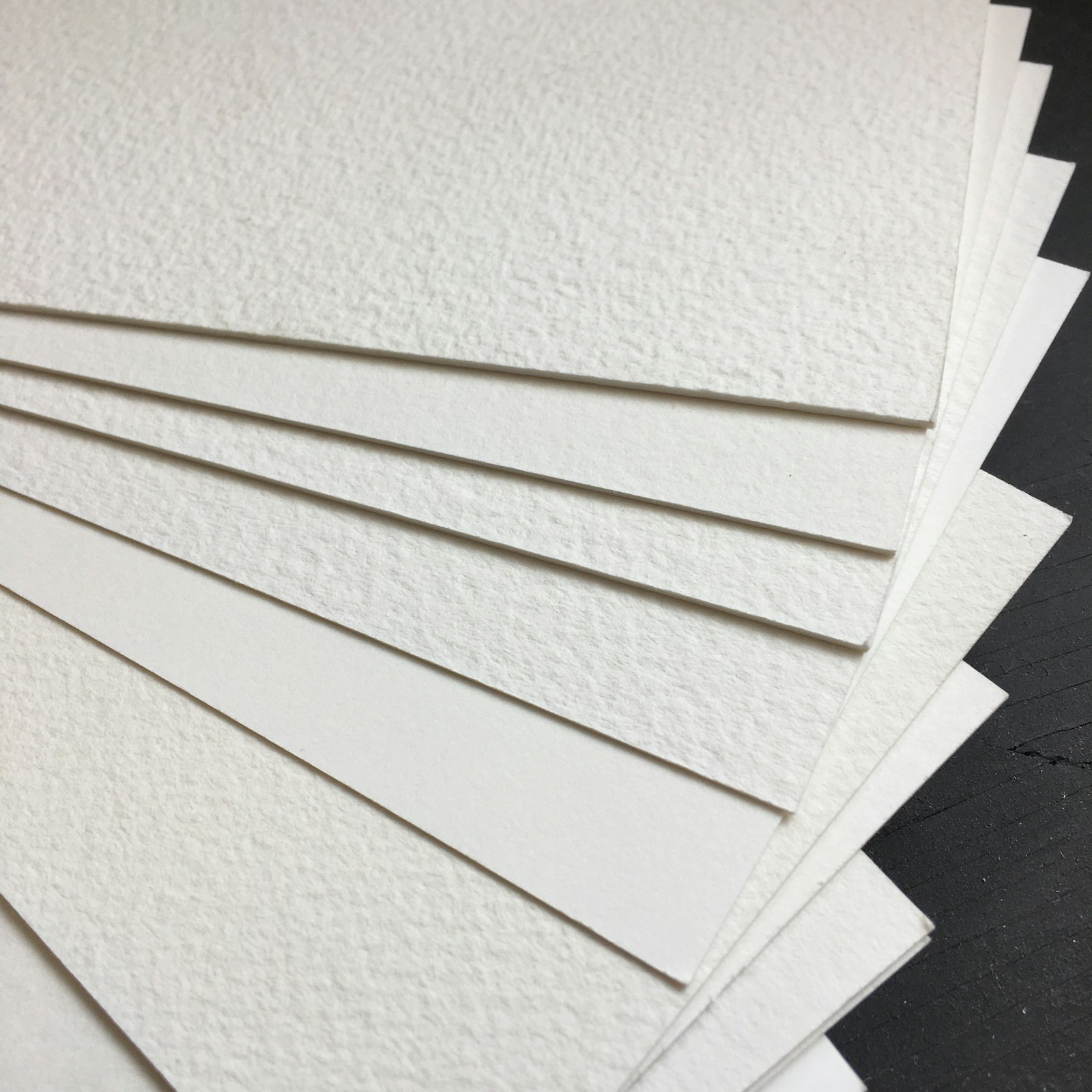
Solid bleached sulfate (SBS) is bright white on both sides and gives the cleanest color. Coated unbleached kraft (CUK) is white on the print side and brown inside, slightly stronger and a little cheaper. Thickness is quoted in points (pt), where 1 pt equals 0.001 inch (0.025 mm). Most custom printed boxes for retail use 14 pt to 18 pt; heavier products move up to 24 pt.
Corrugated board has a fluted middle layer between two liners. E-flute is about 1/16 inch (1.5 mm) thick with a smooth surface that prints well, which makes it the go-to for mailer boxes. B-flute is about 1/8 inch (3 mm) and stronger for heavier or larger shipments. A white top liner gives the best print; kraft liner gives the natural look. Our custom packaging materials guide compares every board in more depth.
Most corrugated and kraft boards already contain a high share of recycled fiber and are curbside recyclable in the USA and Canada. If your brand wants to go further, ask for board sourced under a recognized forestry certification such as FSC, and choose water-based inks and aqueous coatings rather than plastic film lamination so the box stays easy to recycle.
| Board | Thickness | Print result | Best for |
|---|---|---|---|
| SBS paperboard | 14 to 24 pt (0.35 to 0.6 mm) | Brightest, most accurate color | Cosmetic, food and retail cartons |
| CUK / kraft paperboard | 16 to 24 pt (0.4 to 0.6 mm) | Warm, slightly muted color | Natural and eco brands |
| E-flute corrugated | About 1/16 in (1.5 mm) | Very good, fine detail | Mailer and subscription boxes |
| B-flute corrugated | About 1/8 in (3 mm) | Good, bold graphics | Heavier shippers |
| Chipboard + printed wrap | 1.5 to 3 mm board | Excellent on the wrap | Rigid gift and luxury boxes |
Most delays on a first order come from artwork, not from the press. Work through this checklist before you upload files, or simply send your logo and brand colors and let the free design team build the file for you.
Pro tip: Design the box so it still looks good with only one color. If the budget tightens later, or you decide to switch from white board to kraft, a design that works in a single ink survives the change. Full-color photos and gradients can always be added back in on a later run.
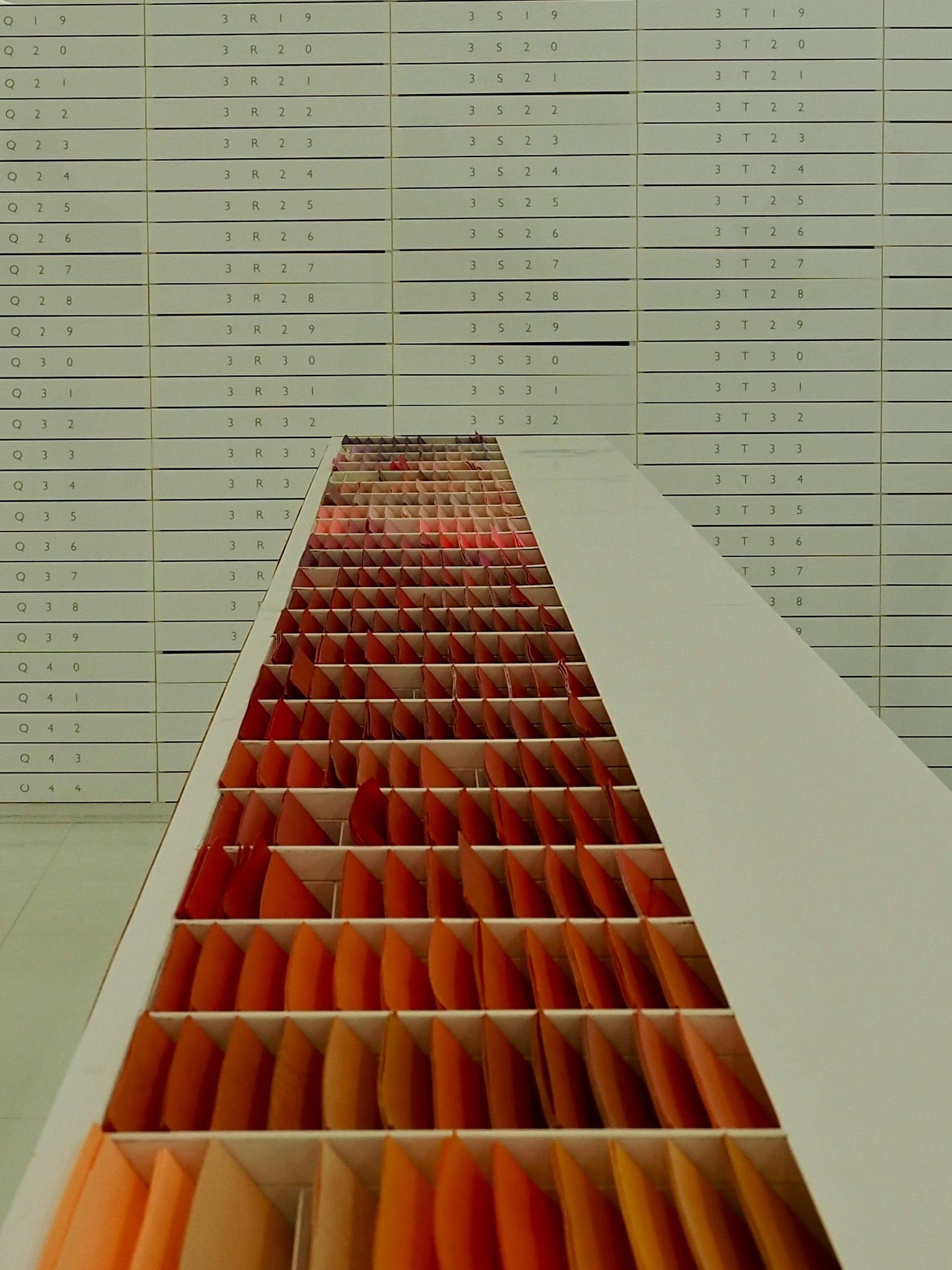
Color is where custom printed boxes most often disappoint first-time buyers, and almost always because of a mismatch between what the screen showed and what ink on board can do. Three rules keep you safe: convert to CMYK early, specify Pantone for critical brand colors, and judge color on a printed sample rather than a monitor.
CMYK builds every color from cyan, magenta, yellow and black dots, which is perfect for photos and multi-color designs and is what digital presses use. A Pantone spot color is a single pre-mixed ink that reproduces a brand color exactly and consistently, including shades CMYK struggles with such as bright orange, deep navy and vivid green. Offset and flexo can run spot inks; on digital, the press simulates the closest match. Check the official Pantone reference when you set your brand colors.
Custom printed boxes from Custom Made Packaging start at $0.30 per unit for small cosmetic cartons, $0.50 for kraft, $0.80 for product boxes, $0.90 for mailers and around $3 for rigid boxes. Where your quote lands inside those ranges depends on five factors, listed here in the order that usually matters most.
| Choice | Lower-cost option | Higher-cost option | Effect on unit price |
|---|---|---|---|
| 1 color, outside only | Full color, outside and inside | Moderate | |
| Board | Kraft or E-flute with kraft liner | White liner, 24 pt SBS or rigid chipboard | Moderate to high |
| Coating | Aqueous or uncoated | Soft-touch or gloss lamination | Low to moderate |
| Embellishment | None | Foil, emboss, spot UV | Low each, adds up |
| Quantity | 1,000+ | 30 to 100 | Largest single factor |
For worked examples across every box type, see our custom packaging cost guide. Remember that the price you are quoted includes free design support, a free 3D mockup and free shipping to the USA and Canada, so there are no surprise line items.
Choose a mailer box with a one- or two-color exterior and a full-color interior print. The outside survives the carrier network looking clean; the inside delivers the unboxing moment. Our guide to custom printed mailer boxes goes deeper on print and finish options for shipping.
Small SBS cartons with full-color print, matte lamination and a spot UV or foil logo are the standard for cosmetic boxes. Leave clean space on the back panel for the product identity, net quantity, ingredient list and business address that cosmetic labeling rules in the USA and Canada generally call for.
Use food-safe board with aqueous coating, bold appetite-appeal colors and a window cutout where it helps. Keep ink off any surface that touches food directly and leave room for allergen and net-weight information in both US customary and metric units.
Product boxes with clear typography, a calm palette and tamper-evident features build trust. In the United States, branded CBD cartons are common; in Canada, CBD is regulated as cannabis with strict plain-packaging rules, so fully branded CBD custom printed boxes are not an option there.
Custom Made Packaging ships custom printed boxes to every state and province with free shipping, and the production process is identical on both sides of the border. What changes is the information you may need to print on the box and the way carriers price the parcel it becomes.
US brands usually design in inches and pounds, and retail packaging generally shows net quantity in both US customary and metric units. Cosmetics and foods follow FDA labeling basics such as product identity, net contents, ingredients and the responsible business name and address. For shipping, USPS, UPS and FedEx apply dimensional weight to many parcels, so a box printed to the exact product size saves money on every order.
Canadian consumer packaging is generally expected to carry mandatory information in both English and French, with metric units as the primary measure, which affects how much panel space your design needs. Health Canada oversees cosmetic and food labeling at a general level, and CBD falls under cannabis plain-packaging rules. Canadian carriers price by volumetric weight in centimeters and kilograms, so send your inside dimensions in whichever unit you prefer and the box will be made to match.
| United States | Canada | |
|---|---|---|
| Design units | Inches, pounds | Centimeters, kilograms (inches accepted) |
| Label language | English | English and French |
| Net quantity | US customary and metric | Metric |
| Branded CBD boxes | Common | Not permitted; plain packaging applies |
| Carrier pricing | Dimensional weight (L × W × H ÷ divisor) | Volumetric weight in metric |
| Shipping from us | Free | Free |
Prices start at $0.30 per unit for small cosmetic boxes, $0.50 for kraft, $0.80 for product boxes, $0.90 for mailers and about $3 for rigid boxes. Quantity, size, board, print coverage and finishes decide where your quote falls, and shipping and design support are free.
Just 30 custom printed boxes. That makes it practical to run a small test batch, photograph the result and refine the design before ordering hundreds or thousands.
Yes. Digital printing has removed the old plate costs, so short runs from 30 units ship to any US address with free shipping. Standard production is 10 to 15 business days, with an 8 to 12 day rush option.
Yes, with free shipping to every province. Send dimensions in centimeters or inches, and leave room on the design for bilingual English and French information where your product category requires it.
A vector file (AI, EPS, PDF or SVG) placed on the supplied dieline, with colors set to CMYK or Pantone, 0.125 inch bleed, outlined fonts and any images at 300 dpi. If you only have a logo, the free design team will build the print-ready file for you.
Digital prints straight from the file with no plates, so it is cheapest for 30 to about 2,000 boxes and allows design changes between runs. Offset uses plates, costs more to set up and less per unit at high volume, and delivers the most exact Pantone color matching.
You receive a 2D and 3D mockup within 48 hours of your request. After approval, standard production is 10 to 15 business days and rush production is 8 to 12 business days, plus transit time with free shipping.
Get the custom quote starting from our MOQ of 30 boxes to any order volume. There will be no charges for shipping and we ensure the lowest prices with highest quality possible.
Get a custom quote for custom boxes starting from our MOQ of 30 boxes to any order volume. Shipping is free and we ensure the lowest prices with the highest quality possible.
Request instant quote