Free Delivery: 


Our facilities are now open for visits. Please contact your PIC or email us at contact@custommadepackaging.com to request a visit.
Free Delivery:
Home – Blogs – Custom Packaging Cost: 2026 Price Guide by Box Type
 – Blogs
by Custom Made Packaging Team – November 2, 2026 · 15 min read
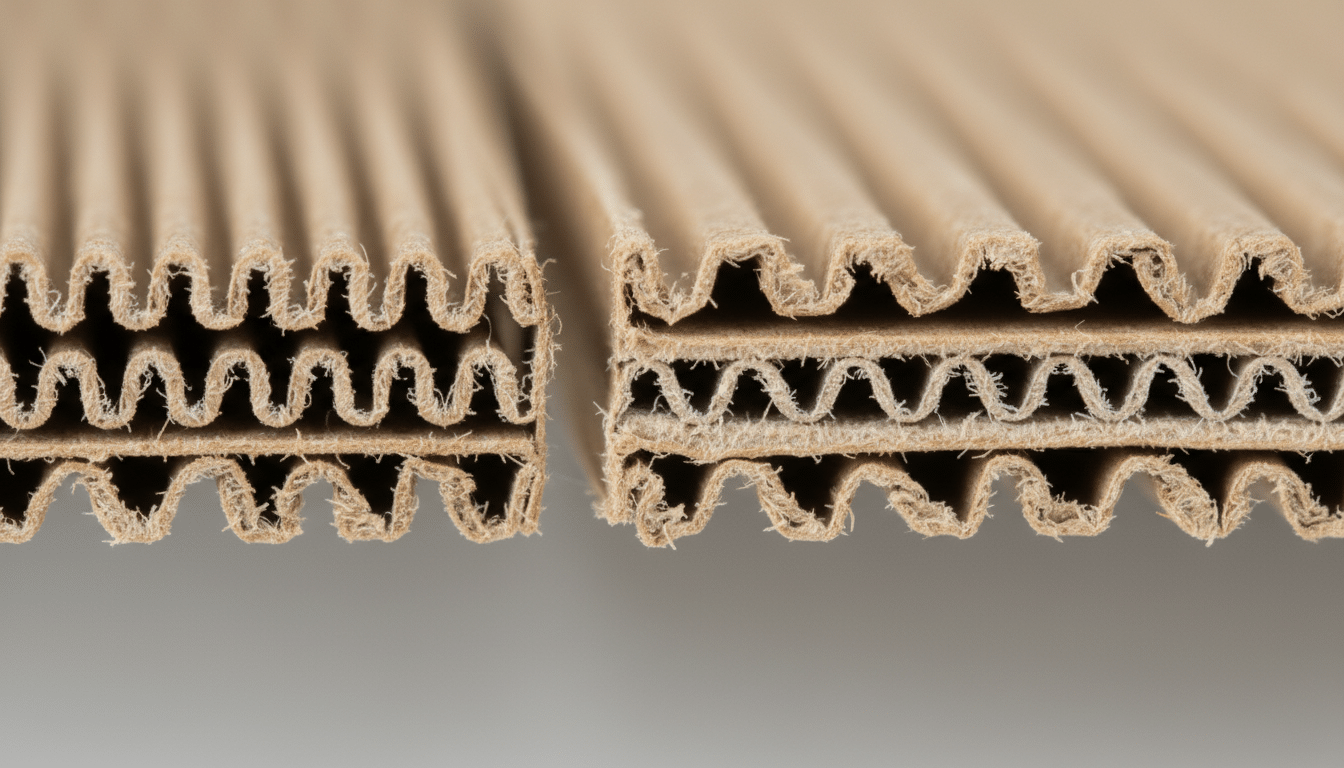
Custom packaging cost usually starts from around $0.30 to $1 per unit for simple printed boxes, labels and mailers, and from about $3 per unit for premium rigid boxes. Where your own quote lands depends on six things: the box style, the material, the size, how many you order, how much of the box is printed, and which finishes and inserts you add. Shipping and dimensional weight then decide what the packaging really costs you once orders leave your door.
This guide breaks down every one of those factors in plain numbers and plain English. You will see starting prices by box type, what each upgrade adds, how quantity changes your price per box, the costs people forget to budget for, and a step-by-step checklist for building a realistic packaging budget. It is written for small and mid-size brands across the United States and Canada, from a first run of 30 boxes to a full product line.
If you are still deciding what kind of box you need, start with our overview of the types of custom packaging, then come back here to price your options.
Table of contents: Starting prices by box type · What you are paying for · Cost factors · Materials · Quantity and price per box · Finishes and add-ons · Shipping and dimensional weight · Budgeting checklist · Ways to reduce cost · Common mistakes · USA and Canada · How to order · FAQ
The fastest way to get a feel for custom packaging cost is to compare starting prices by product. A starting price is the floor for a simple version of that item; your actual quote reflects your size, quantity, artwork and add-ons. Here are our current starting prices:
| Packaging type | Starting price per unit | Typical use |
|---|---|---|
| Cosmetic boxes | $0.30 | Skincare, makeup, fragrance cartons |
| Poly mailers | $0.30 | Apparel and soft goods shipping |
| Labels | $0.30 | Jars, bottles, seals, compliance info |
| Kraft boxes | $0.50 | Eco-forward retail and shipping |
| Food-safe packaging | $0.50 | Bakery, snacks, takeout |
| Bath bomb boxes | $0.50 | Bath and body products |
| Pillow boxes | $0.60 | Small gifts, jewelry, favors |
| Product boxes | $0.80 | Retail cartons for almost any product |
| Mailer boxes | $0.90 | E-commerce, subscription and PR kits |
| Candle boxes | $0.90 | Jar and tin candles |
| Branded tapes | $1.00 | Sealing shipping boxes |
| Rigid boxes | $3.00 | Luxury gifts, electronics, premium sets |
Two patterns stand out. First, thin paperboard cartons and flexible packaging are the most affordable, because they use less material and run quickly through printing and cutting. Second, rigid boxes cost several times more because they are built from thick chipboard wrapped in printed paper, which involves more material and more hand assembly. Mailer boxes sit in the middle: corrugated board costs more than paperboard, but it doubles as a shipping box, which can save you an outer carton. For a deeper dive on single categories, see our guides to how much mailer boxes cost and how much cosmetic boxes cost.
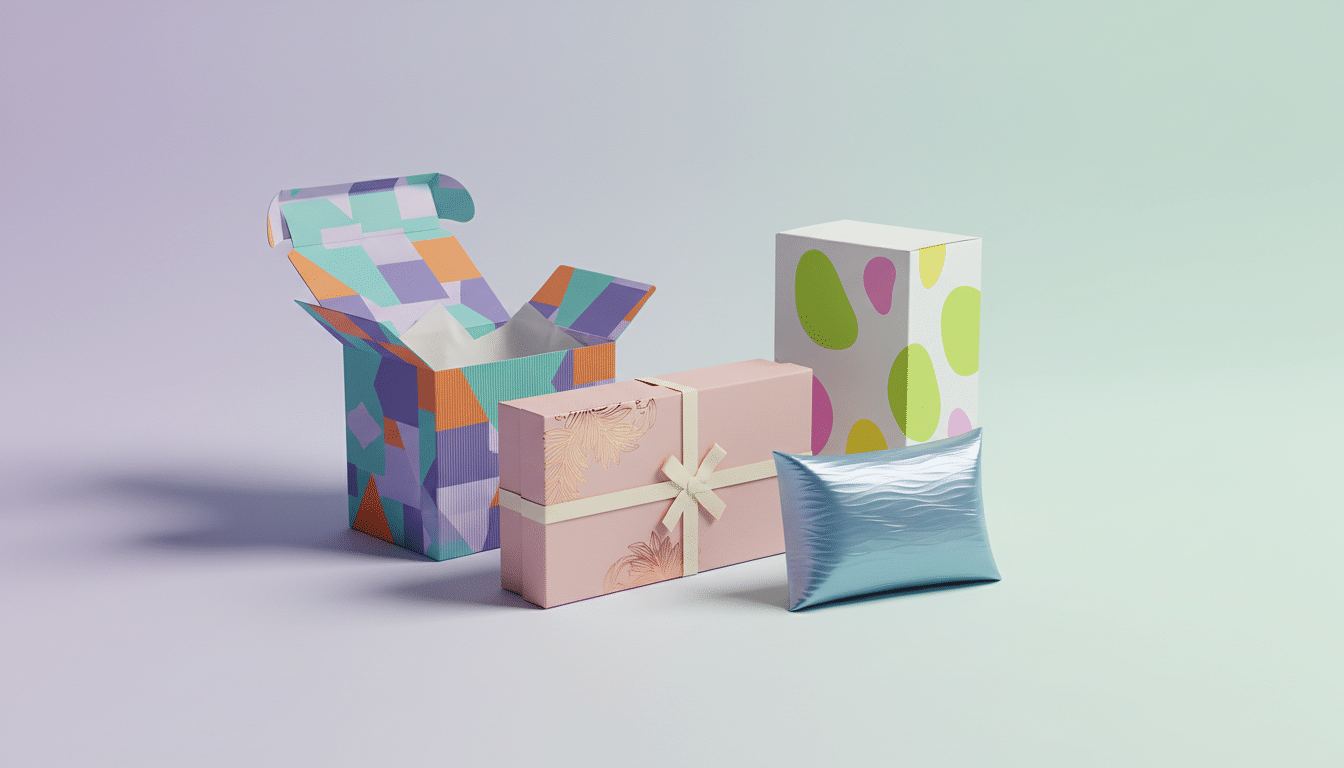
Every quote for custom printed packaging is built from the same handful of ingredients. Knowing them helps you read a quote, compare suppliers fairly and decide where to spend.
When two quotes look very different, the gap is usually in setup, design or freight. Ask each supplier what is included so you compare like with like, and read our article on custom packaging for small business for more on choosing a supplier.
Here is how each specification choice tends to move your price. Use it as a quick reference when you are deciding between options.
| Factor | Lower-cost choice | Higher-cost choice | Impact on price |
|---|---|---|---|
| Box style | Tuck end carton, pillow box | Rigid box, drawer box | High |
| Material | Paperboard, kraft | Corrugated, chipboard | High |
| Size | Fitted to the product | Oversized, deep boxes | Medium to high |
| Quantity | Larger runs | Very small runs | High (per box) |
| Print coverage | Logo on kraft, one or two colors | Full-bleed CMYK on all sides | Medium |
| Inside printing | Plain interior | Printed interior | Low to medium |
| Finishes | Standard coating | Foil, embossing, spot UV | Medium per finish |
| Inserts | None or simple card | Custom die-cut or foam | Medium |
| Turnaround | Standard 10-15 business days | Rush 8-12 business days | Low to medium |
Style has the biggest single effect on price. Folding cartons such as tuck end boxes are cut and folded from one sheet, so they are fast to produce. Mailer boxes use corrugated board and a more complex die. Rigid boxes need chipboard, wrapping paper and hand finishing. We offer more than 100 box styles, and two styles that look similar on screen can be priced quite differently, so it is worth asking for a quote on two or three options.
Bigger boxes use more board, more ink and more space on the press sheet, so fewer boxes fit per sheet. Sizing the box to your product, with only the allowance you need for tissue or inserts, is one of the easiest ways to lower both box cost and shipping cost. Our mailer box sizes guide shows how to measure correctly.
Full-color CMYK printing covers most designs. Exact brand colors may require spot colors, and heavy ink coverage on dark backgrounds can add cost and show scuffs more easily. A single-color logo on natural kraft is one of the most economical branded looks available. Inside printing is available for mailer, kraft, CBD and product boxes and adds a memorable unboxing moment for a modest increase.
An insert holds products in place and makes a kit feel organized. Cardboard inserts are usually the most affordable option, while foam and multi-level inserts cost more. Inserts can also save money elsewhere by letting you use a smaller box and less void fill. Learn more in what are packaging inserts.
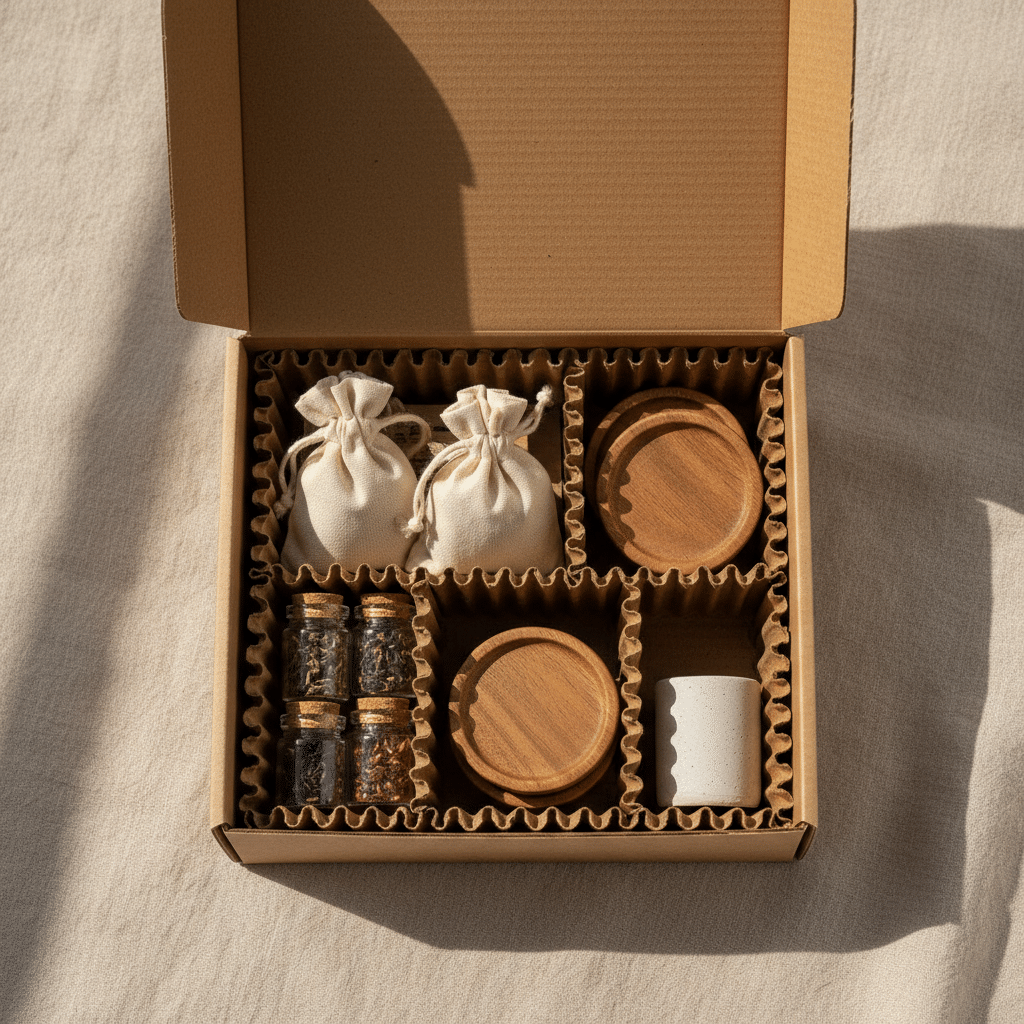
Material choice decides protection, print quality and a large part of your price. Match the material to how the product travels: a carton that sits on a store shelf needs very different strength from a box that rides through a carrier network on its own.
| Material | Relative cost | Strength | Best for |
|---|---|---|---|
| Paperboard (SBS or similar) | Low | Light; shelf and display use | Cosmetic, supplement and product boxes |
| Kraft paperboard | Low | Light to medium | Natural-look retail boxes, food packaging |
| E-flute corrugated (about 1/16 in / 1.5 mm) | Medium | Good for light to medium items | Small and medium mailer boxes |
| B-flute corrugated (about 1/8 in / 3 mm) | Medium | Better crush resistance | Large or heavy mailers, fragile goods |
| Rigid chipboard | High | Very sturdy, does not fold flat | Luxury gifts, electronics, PR kits |
| Poly film | Very low | Tear and water resistant, no crush protection | Apparel and soft goods |
A common money-saving move is to separate retail and shipping packaging. A lightweight printed custom product box shows off the brand, and a plain or lightly branded shipper protects it in transit. Another is to choose kraft boxes, which start from $0.50 and look great with minimal ink. For soft goods that do not need crush protection, poly mailer bags are the lowest-cost shipping option and are very light, which also helps with postage. If you need a premium presentation, rigid boxes are worth the extra spend for high-value products where packaging is part of the perceived value.
Quantity is the factor buyers ask about most. The total bill rises as you order more, but the price of each box falls, because fixed setup work is divided across more units and the press runs more efficiently once it is set up. Exact breakpoints vary by style and size, so treat the table below as a guide to how pricing behaves, not as a quote.
| Order size | Price per box | Good for |
|---|---|---|
| 30 to 100 boxes | Highest per unit | Testing a design, launches, PR kits, small batches |
| 100 to 500 boxes | Noticeably lower | Growing online stores, seasonal runs |
| 500 to 2,500 boxes | Lower again | Steady monthly sales, retail rollouts |
| 2,500 boxes and up | Lowest per unit | Established lines with predictable demand |
The right quantity is not always the biggest one. Large orders tie up cash and storage, and a design change can leave you with boxes you cannot use. A sensible approach for many small businesses is to start with a short run (our minimum is 30 boxes), confirm the fit and the customer reaction, then step up to a larger order once demand is clear. Ask for pricing at two or three quantities in the same quote so you can see where the breaks fall.
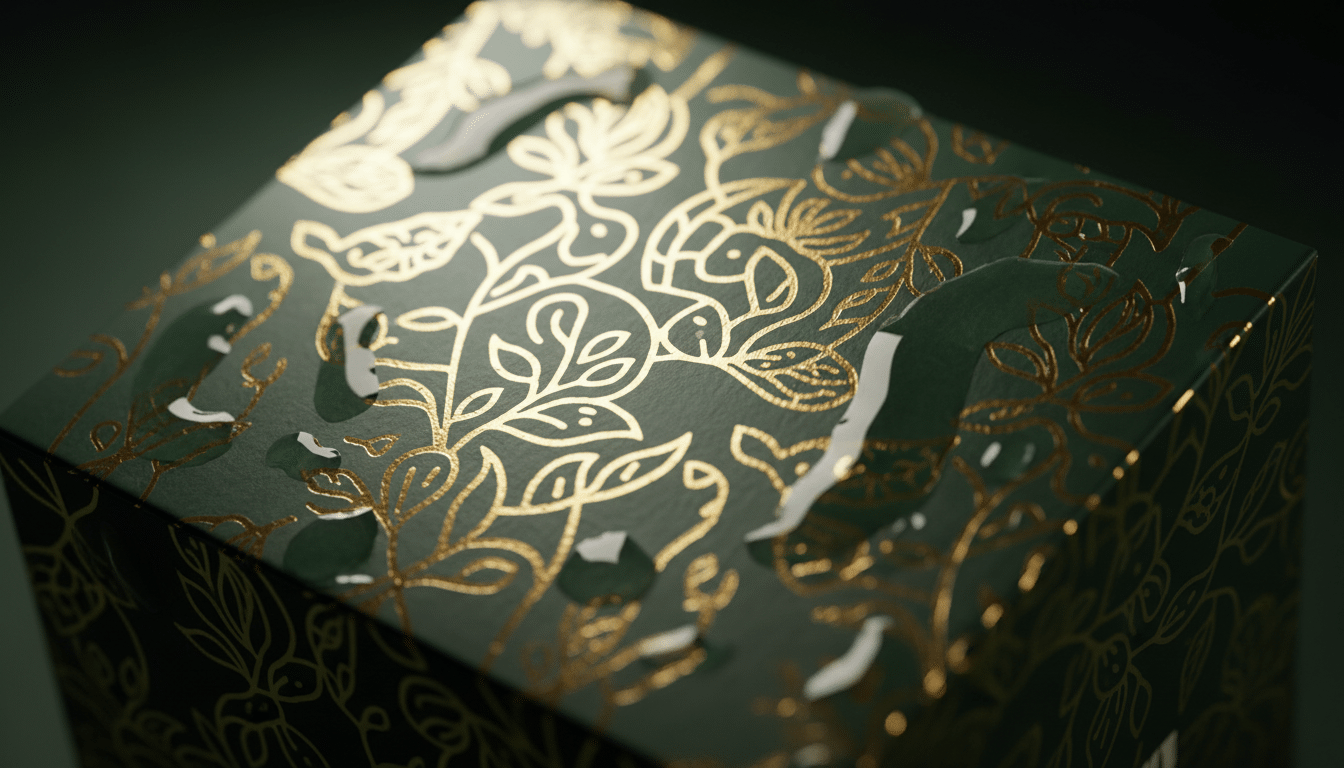
Finishes are where packaging budgets most often creep. Each one adds a production step, so choose the one or two that do the most for your brand rather than stacking them all.
| Finish or add-on | What it does | Cost impact | Worth it when |
|---|---|---|---|
| Matte or gloss lamination | Protects print, sets the look and feel | Low | Almost always; protects against scuffs |
| Soft-touch lamination | Velvety premium feel | Low to medium | Beauty, wellness and gift brands |
| Foil stamping | Metallic logo or accents | Medium | Logos and small accents on premium boxes |
| Embossing or debossing | Raised or pressed texture | Medium | Minimal designs that rely on texture |
| Spot UV | Glossy highlight on matte areas | Medium | Adding contrast without more colors |
| Window cut-out | Shows the product | Medium | Food, toys and visually striking products |
| Inside printing | Message or pattern inside the lid | Low to medium | E-commerce and subscription unboxing |
If you are unsure which finish will make the biggest difference, a designer can mock up options for you. Our professional design support is free, and you will see a 2D and 3D digital mockup within 48 hours, so you can compare looks before you commit.
For e-commerce brands, the biggest packaging cost is often not the box at all but what it costs to ship. Major carriers bill many parcels by dimensional weight, which is based on the size of the box. In the United States, UPS and FedEx commonly divide length × width × height in inches by 139 for domestic retail rates, and USPS applies dimensional pricing to larger parcels. If the dimensional weight is higher than the actual weight, you pay for the dimensional weight, rounded up to the next pound.
| Box (outside) | Dimensional weight (÷139) | Billed for a 1 lb (0.45 kg) product |
|---|---|---|
| 12 × 10 × 6 in (30.5 × 25.4 × 15.2 cm) | about 5.2 lb | 6 lb |
| 12 × 10 × 4 in (30.5 × 25.4 × 10.2 cm) | about 3.5 lb | 4 lb |
| 10 × 8 × 4 in (25.4 × 20.3 × 10.2 cm) | about 2.3 lb | 3 lb |
Cutting two inches of depth in this example drops the billed weight from 6 lb to 4 lb on every order. Divisors and rules change, so always check your carrier’s current rate guide, but the principle holds: a fitted box saves money twice, once on material and again on postage.
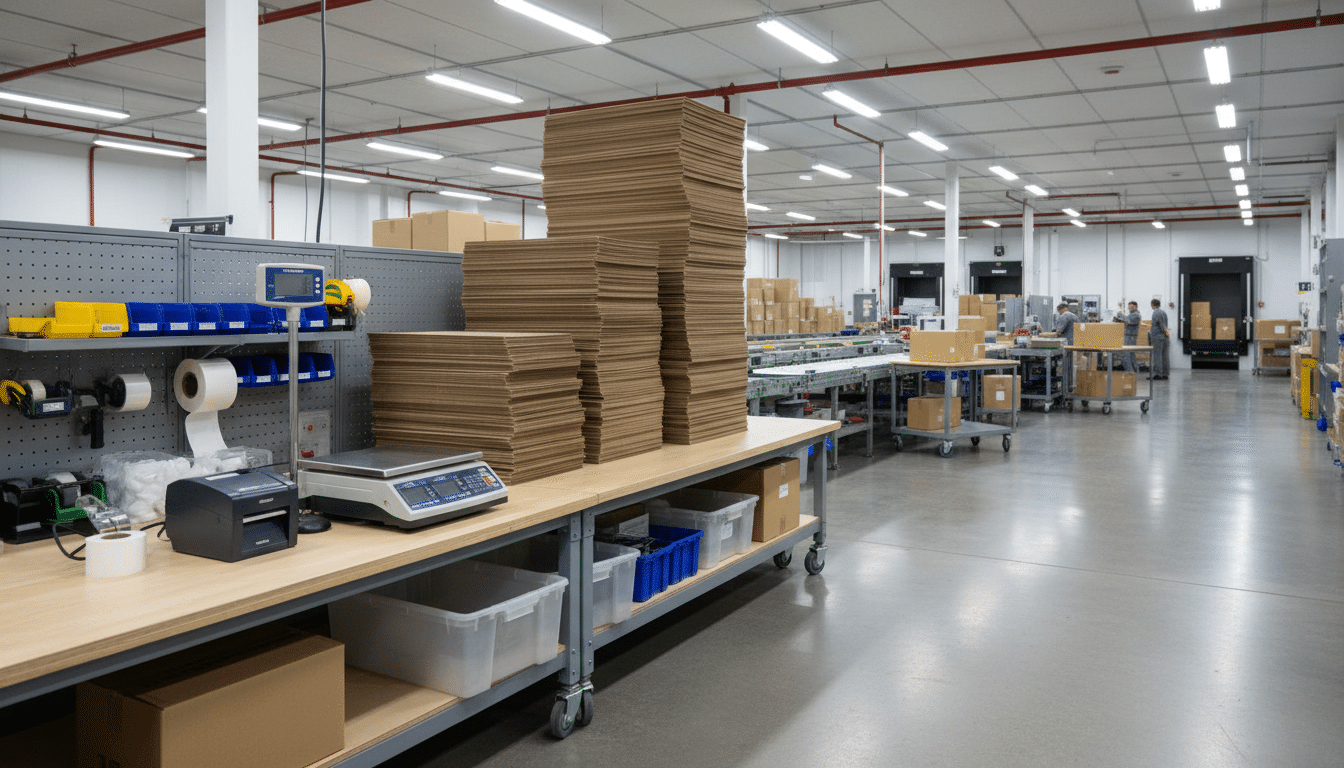
Other costs that hide outside the box price include storage space for flat-packed boxes, packing time, void fill, tape and labels. Boxes that ship flat and fold quickly, such as mailers and tuck end cartons, are cheaper to store and faster to pack than rigid boxes, which ship assembled and take up much more room.
The most useful number is not price per box but packaging cost per order. Work through these steps to build a budget you can trust.
Here is a simple worked example with hypothetical figures, just to show the method. If your box costs $1.20, the insert $0.40, a label $0.30, and tape and tissue about $0.15 per order, your packaging cost per order is $2.05 before shipping. Dividing that by your average order value tells you what share of each sale goes to packaging, and shows which component to optimize first.
Pro tip: When you request a quote, ask for the same box at two quantities and with and without your most expensive finish. Seeing those four prices side by side shows you exactly what each decision costs, and it is often the quickest way to find a version that looks premium and fits your budget.
We make custom packaging for brands across the United States and Canada, with free shipping to both countries, so freight is not a line item on your packaging order. What changes between the two markets is how your boxes are labeled and how your own parcels are priced once you ship to customers.
US brands usually specify boxes in inches and ship with UPS, FedEx or USPS, where dimensional weight is calculated in inches and pounds. Consumer products generally need a net quantity statement in both US customary and metric units, and products such as food, cosmetics and supplements fall under FDA rules with their own labeling requirements. Build space for that information into your dieline from the start so you are not paying to redesign later. Check current federal and state rules for your product category before you finalize artwork.
Canadian carriers usually quote volumetric weight in metric: length × width × height in centimeters divided by a carrier divisor (5,000 and 6,000 are common), compared with the actual weight in kilograms. A 30 × 25 × 15 cm box, for example, works out to 2.25 kg at a 5,000 divisor. Most mandatory consumer label information must appear in both English and French, which needs more panel space and is a good reason to plan your layout early. Health Canada oversees categories such as cosmetics and natural health products. CBD is regulated as cannabis in Canada, with strict plain-packaging rules, so branded CBD boxes are not an option for the Canadian market.
| What affects your cost | United States | Canada |
|---|---|---|
| Units for box specs | Inches and pounds | Centimeters and kilograms (inches also fine) |
| Parcel pricing | Dimensional weight, commonly ÷139 for domestic retail | Volumetric weight, commonly ÷5,000 or ÷6,000 |
| Label language | English | English and French for most mandatory information |
| Net quantity | US customary and metric | Metric |
| CBD packaging | Branded boxes possible; check state rules | Plain packaging under cannabis rules |
| Packaging freight from us | Free shipping | Free shipping |
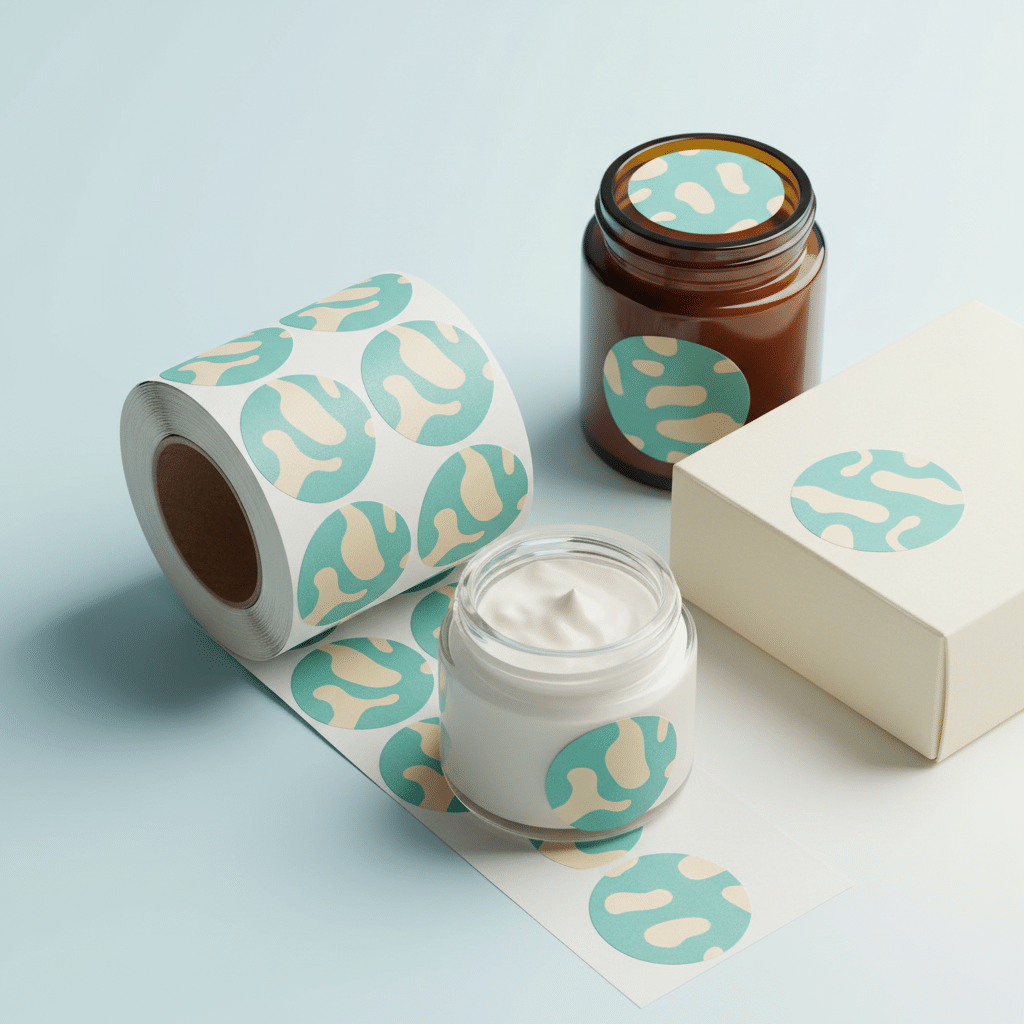
Brands that sell in both countries often keep costs down by designing one bilingual box and using labels for anything market-specific. For more on the Canadian market, read our guide to custom packaging in Canada.
Have questions about a specific box before you quote? Contact our team and we will help you pick a style, material and finish that fit your budget.
Simple printed cartons, labels and poly mailers start from around $0.30 per unit, mailer boxes from $0.90 and rigid boxes from $3. Your price depends on style, size, material, quantity, printing and finishes, so a quote based on your exact specs is the only reliable number.
Setup work such as preparing files, dies and machines costs about the same for a small run as for a large one. With fewer boxes to share that cost, each box costs more. Ordering a little more, or standardizing sizes, usually brings the unit price down.
Poly mailers, labels and simple paperboard cartons are typically the most affordable, followed by kraft boxes. For shipping products that need protection, a right-sized mailer box is often the best value because it replaces both a retail box and an outer carton.
Yes. Our minimum order is 30 boxes, which makes custom packaging practical for launches, samples and small businesses. Larger orders lower the price per box.
Per box, custom printed packaging usually costs more than plain stock boxes. However, a box sized to your product can reduce void fill and dimensional weight, and branded packaging can replace stickers, inserts or extra printed materials, which narrows the gap per order.
After you approve your design, standard production takes 10-15 business days and rush production 8-12 business days. Shipping anywhere in the USA is free. Add a few days at the start for quoting and mockup review, which takes up to 48 hours.
Yes, we ship custom packaging to Canada with free shipping. You can send box dimensions in centimeters or inches, and we recommend planning bilingual English and French labeling space for retail products sold in Canada.
Not with us. Design support is free, and you receive a 2D and 3D digital mockup within 48 hours of your order. Many suppliers charge separately for design, so check before you compare quotes.
Get the custom quote starting from our MOQ of 30 boxes to any order volume. There will be no charges for shipping and we ensure the lowest prices with highest quality possible.