Free Delivery: 


Our facilities are now open for visits. Please contact your PIC or email us at contact@custommadepackaging.com to request a visit.
Free Delivery:
Home – Blogs – Lipstick Boxes: 12 Best Expert Design Tips for 2026
 – Blogs
by Custom Made Packaging Team – November 11, 2026 · 16 min read
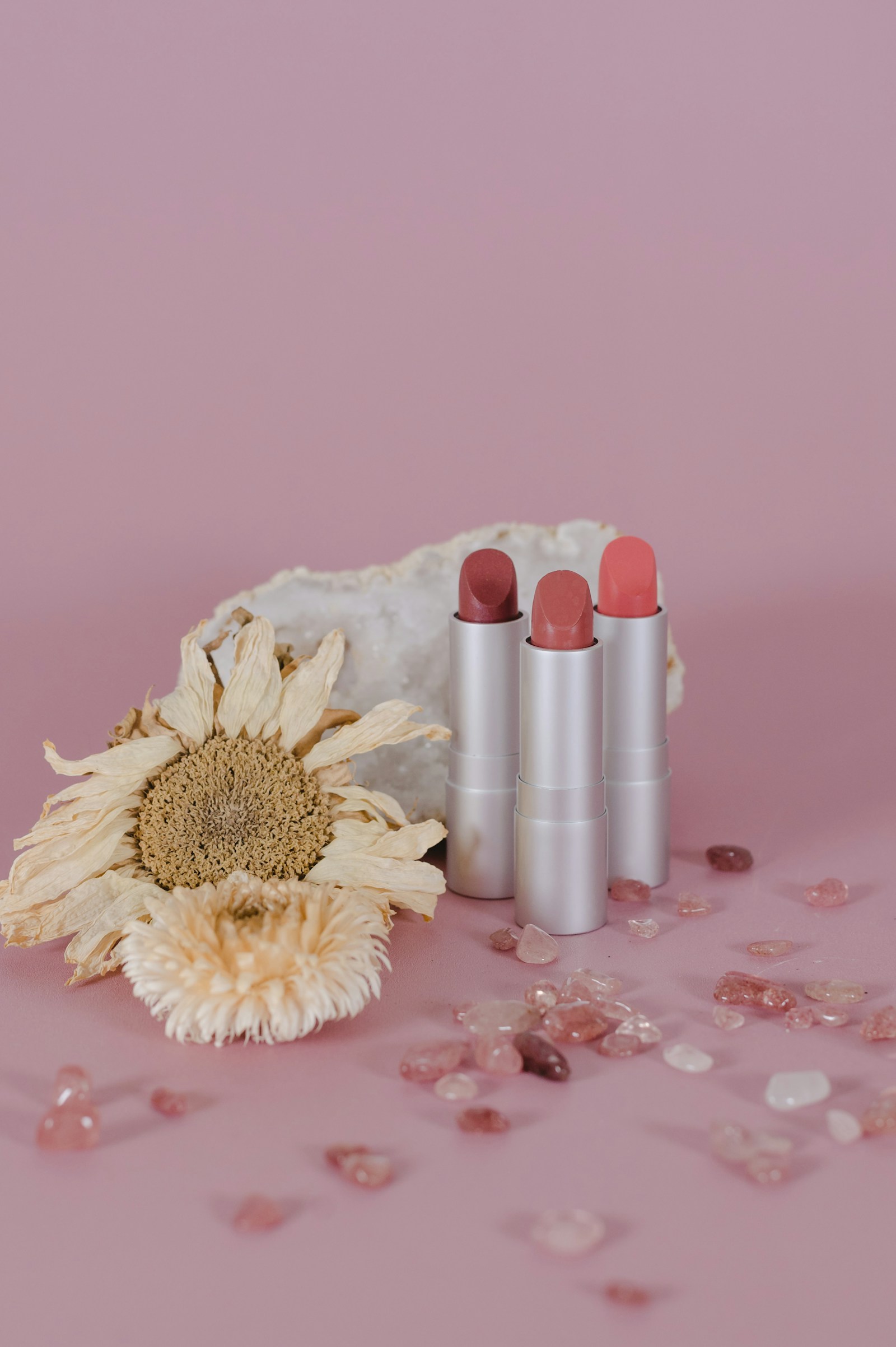
Lipstick boxes are the small folding cartons that hold a single lipstick tube, and for most beauty brands they are the first physical thing a customer ever touches. A lipstick is tiny, so the box does an outsized share of the work: it protects the bullet from heat and knocks, carries the shade name and legal label, and tells the shopper whether your brand feels luxurious, playful or clean.
This guide gives you 12 expert tips for designing lipstick boxes that sell, plus everything a small or mid-size brand in the USA or Canada needs to order them: box styles, exact sizes in inches and centimeters, paperboard choices, finishes, labeling basics, realistic pricing, and the mistakes we see most often.
A lipstick box is the printed secondary package that surrounds the lipstick tube (the primary package). It is usually a small paperboard carton with tuck-in flaps at both ends, but it can also be a sleeve, a drawer box or a rigid gift box for premium lines. Because the product inside is already sealed, the box exists for protection, information and brand presentation.
For a small brand, lipstick boxes matter more than almost any other piece of packaging because they are seen so often. A single shade might be photographed for a product page, placed in a PR mailer, lined up in a retail display and handed over at a market, and the same tiny carton has to perform in every one of those settings.
Lipstick boxes belong to the broader family of custom cosmetic boxes, and most of the principles in our guide to cosmetic box styles apply here too. The difference is scale: with so little surface area, every decision about size, color and finish is magnified.
These are the tips our design team gives most often to beauty brands ordering lipstick boxes for the first time. Work through them in order and your artwork will be production-ready with far fewer revisions.
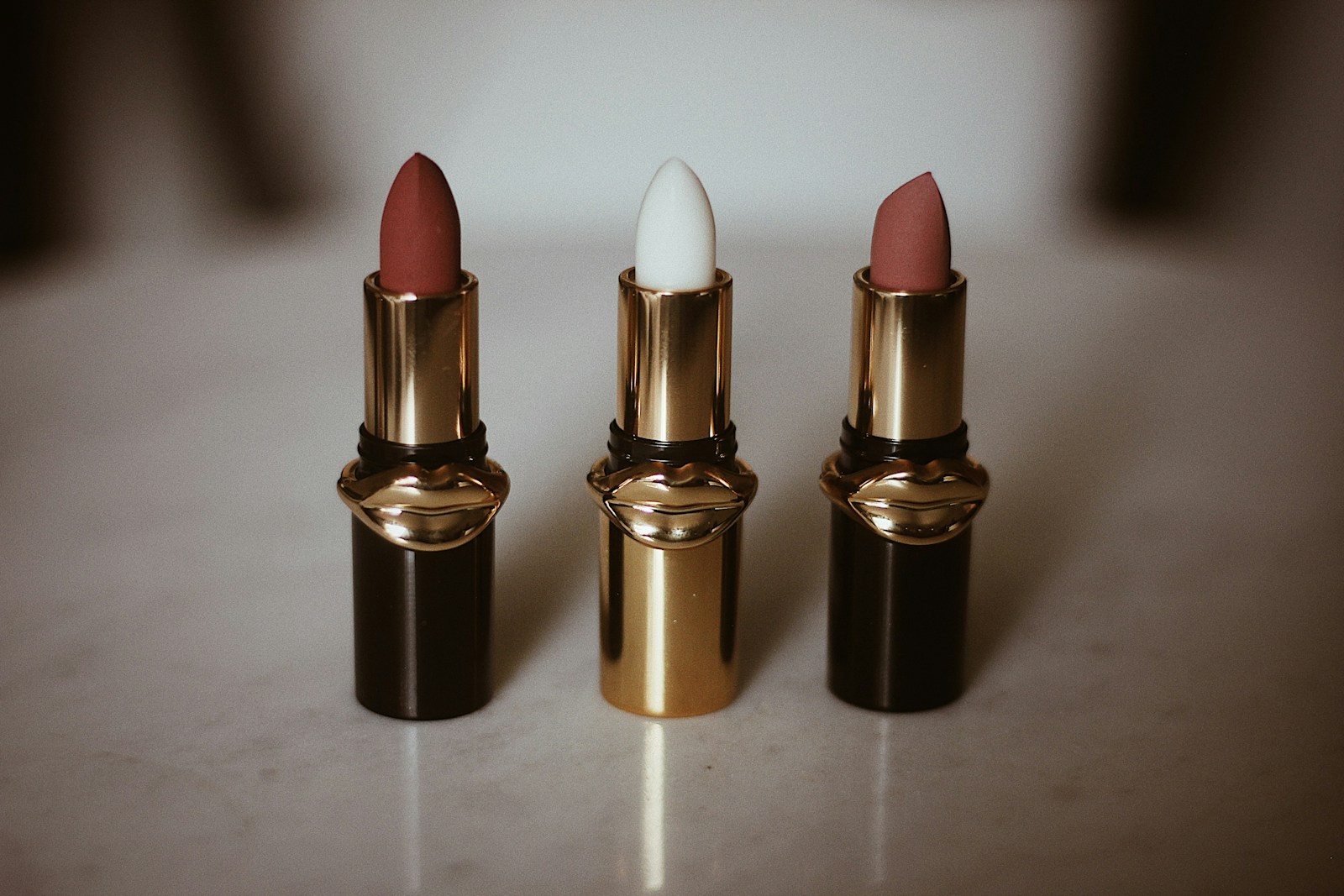
There are five styles that cover almost every lipstick packaging brief. The right one depends on your price point, how the box will be opened and whether it needs to stand on a counter or ship in a mailer.
| Style | How it works | Best for | Relative cost |
|---|---|---|---|
| Reverse tuck end (RTE) | Tuck flaps at top and bottom close in opposite directions | Everyday shades, retail, e-commerce | Lowest |
| Straight tuck end (STE) | Both flaps tuck from the same side, giving a cleaner front | Brands that want an uninterrupted front panel | Low |
| Sleeve and tray (drawer) | Tube sits in a tray that slides out of an outer sleeve | Mid-to-premium lines, gift-with-purchase | Medium |
| Window box | A die-cut window, with or without a clear film, shows the shade | Counter displays, markets, pop-ups | Medium |
| Rigid magnetic or lid-and-base | Thick greyboard wrapped in printed paper, often with an insert | Sets, limited editions, influencer kits | Highest |
Reverse tuck end cartons are the workhorse of lipstick boxes. They ship flat, fold in seconds and cost the least to print. A straight tuck end is a small upgrade when you want the front panel completely free of a visible tuck flap, which is useful for a large logo or a full-bleed pattern. Both are made as custom product boxes from paperboard.
A sleeve with a tray adds a slow, deliberate reveal and is ideal for a hero shade or a single-tube gift. Window boxes let the customer see the actual color through the carton, which reduces returns from shade confusion at markets and in stores. For sets of two or more tubes, rigid boxes with a die-cut insert hold each tube in place and give the kind of weight shoppers associate with prestige beauty.
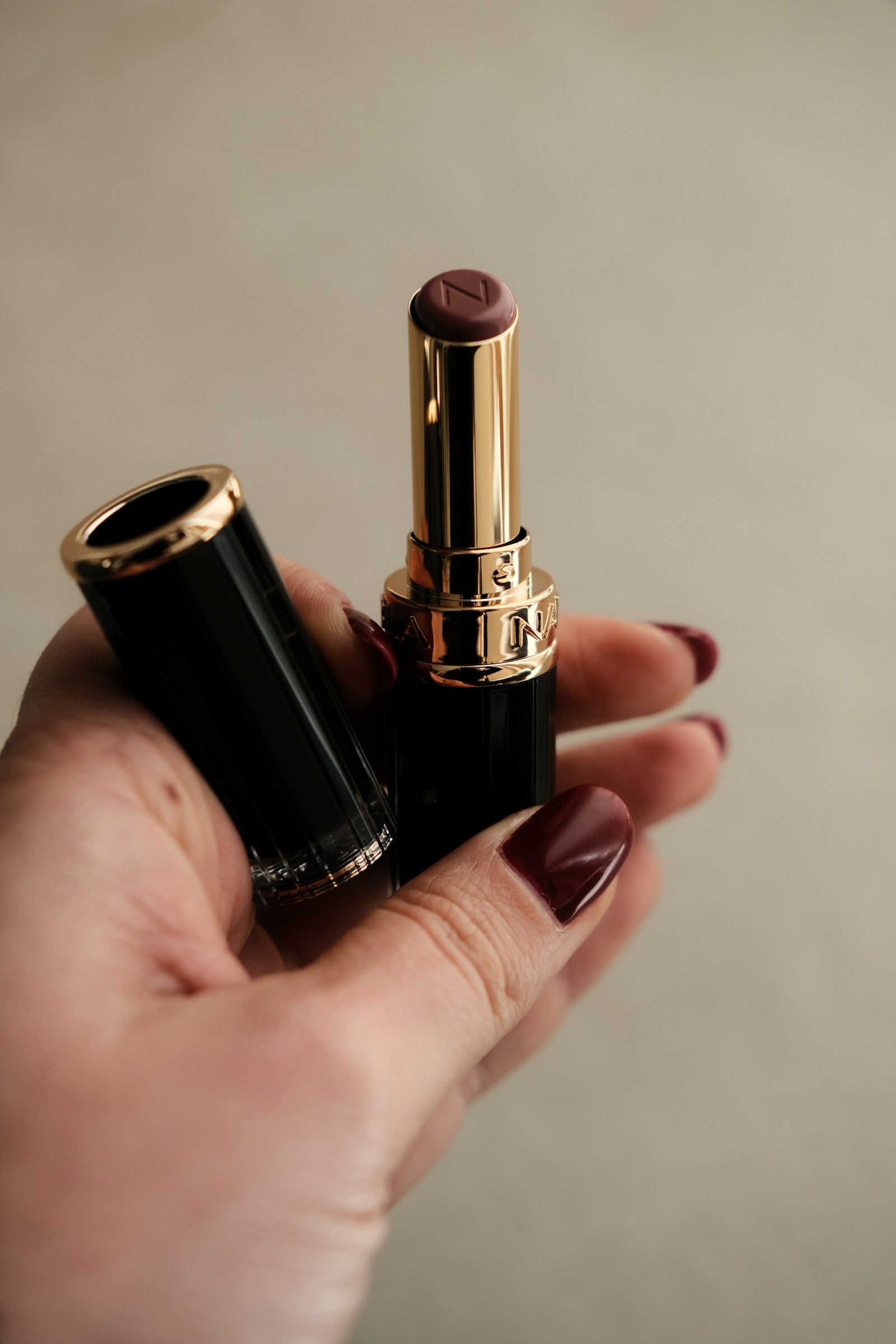
There is no universal lipstick size, which is why stock lipstick boxes so often fit badly. A classic round bullet component is usually about 0.75 to 0.85 inches (19 to 22 mm) across and 2.75 to 3.25 inches (70 to 83 mm) tall with the cap on, but slim, square and oversized “jumbo” tubes all exist. Measure your own component with calipers and work from that number.
| Tube type | Typical tube size | Typical inside box size (inches) | Inside box size (cm) |
|---|---|---|---|
| Slim or mini lipstick | 0.5 in across, 2.5 in tall | 0.63 × 0.63 × 2.63 | 1.6 × 1.6 × 6.7 |
| Classic round bullet | 0.8 in across, 3 in tall | 1 × 1 × 3.13 | 2.5 × 2.5 × 8 |
| Square or cushion tube | 0.8 in square, 3 in tall | 0.94 × 0.94 × 3.13 | 2.4 × 2.4 × 8 |
| Jumbo or liquid lipstick | 1 in across, 3.5 to 4.5 in tall | 1.13 × 1.13 × 4.63 | 2.9 × 2.9 × 11.8 |
| Two-tube duo set | Two classic bullets side by side | 2.13 × 1.13 × 3.25 | 5.4 × 2.9 × 8.3 |
Because the product is light, lipstick boxes do not need heavy board; they need board that prints crisply, folds without cracking and feels good in the hand. Most brands choose between a bright white coated board, a natural kraft board and, for premium sets, rigid greyboard wrapped in printed paper.
| Material | Typical thickness | Look and feel | Best for |
|---|---|---|---|
| SBS (solid bleached sulfate), C1S | 14pt to 18pt (about 0.35 to 0.45 mm) | Bright white, smooth, excellent for color and foil | Most lipstick boxes, especially bright shade colors |
| SBS, C2S | 16pt to 18pt | Coated both sides, ideal for inside printing | Boxes with printed interiors |
| Natural kraft board | 18pt to 24pt | Warm brown, visible fiber, matte | Clean beauty and eco-focused brands |
| Recycled white board | 16pt to 20pt | Slightly off-white, good print | Brands balancing cost and sustainability claims |
| Rigid greyboard with wrap | 1.5 to 2 mm board plus 128 to 157 gsm paper | Heavy, premium, does not fold flat | Sets, gift boxes, limited editions |
For a natural look, kraft boxes print well with one or two dark colors and look best with minimal finishes. If sustainability is central to your brand story, our guide to eco-friendly cosmetic boxes covers recycled content, water-based coatings and what you can honestly claim on the pack.
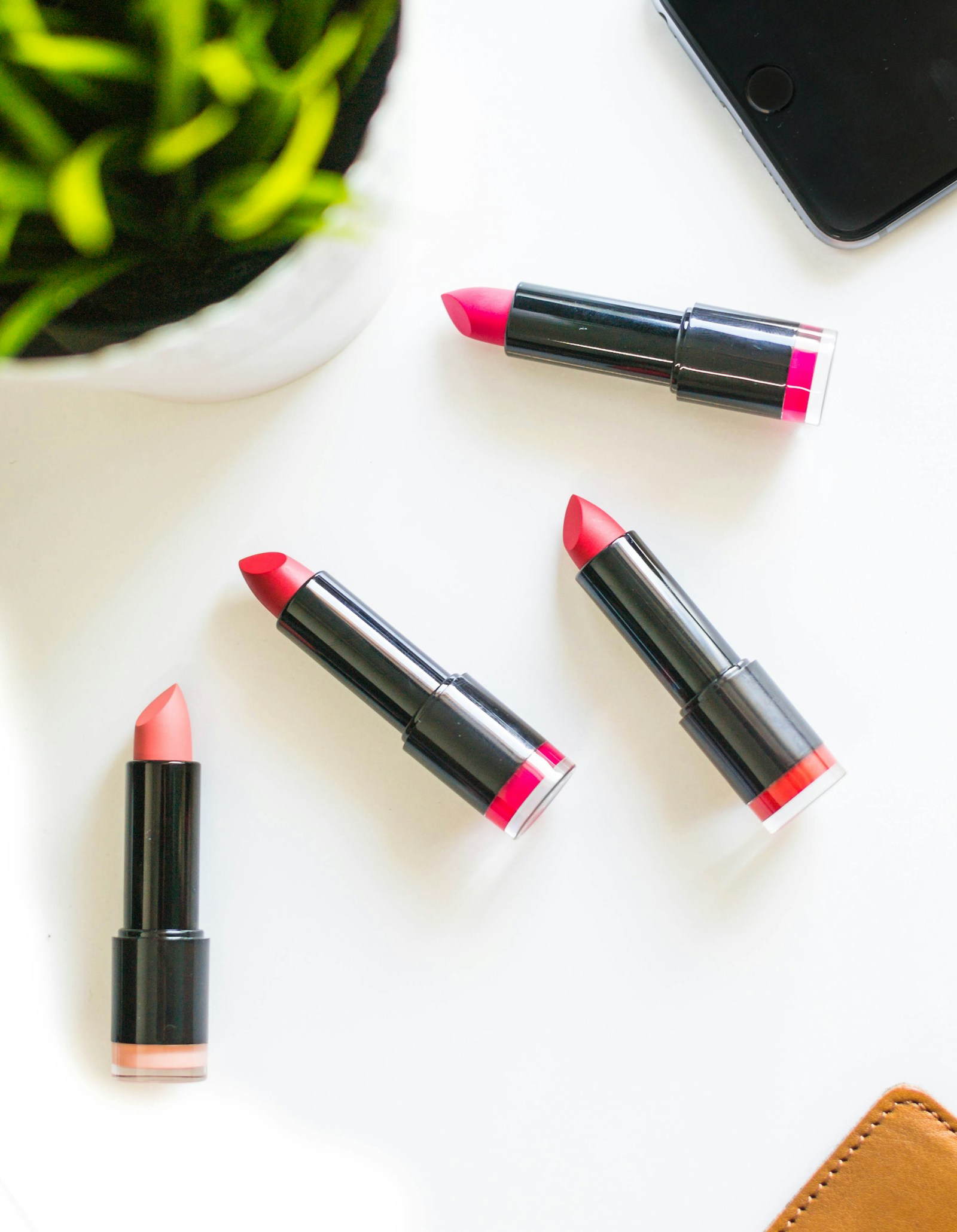
Lipstick boxes are printed in CMYK for photographs and gradients, with Pantone spot colors added when a shade band needs to match exactly. Offset printing is the norm for runs in the hundreds or thousands, while digital printing keeps very small runs of 30 to 100 boxes affordable and allows each shade to have its own color without separate plates.
Screens lie, so never match a shade to a photo. Swatch the actual bullet on white paper, compare it with a physical Pantone guide and record the closest reference. Supply that reference to your printer as a spot color or ask for a CMYK match with a printed proof. Reds, corals and hot pinks are the hardest to reproduce in CMYK, so those are the shades where a spot color earns its small extra cost.
Pro tip: Print the shade color on the top tuck flap and the end panel as well as the front. When lipstick boxes are stacked in a drawer or lined up in a display tray, the end panel is often the only part a customer or a sales associate can see.
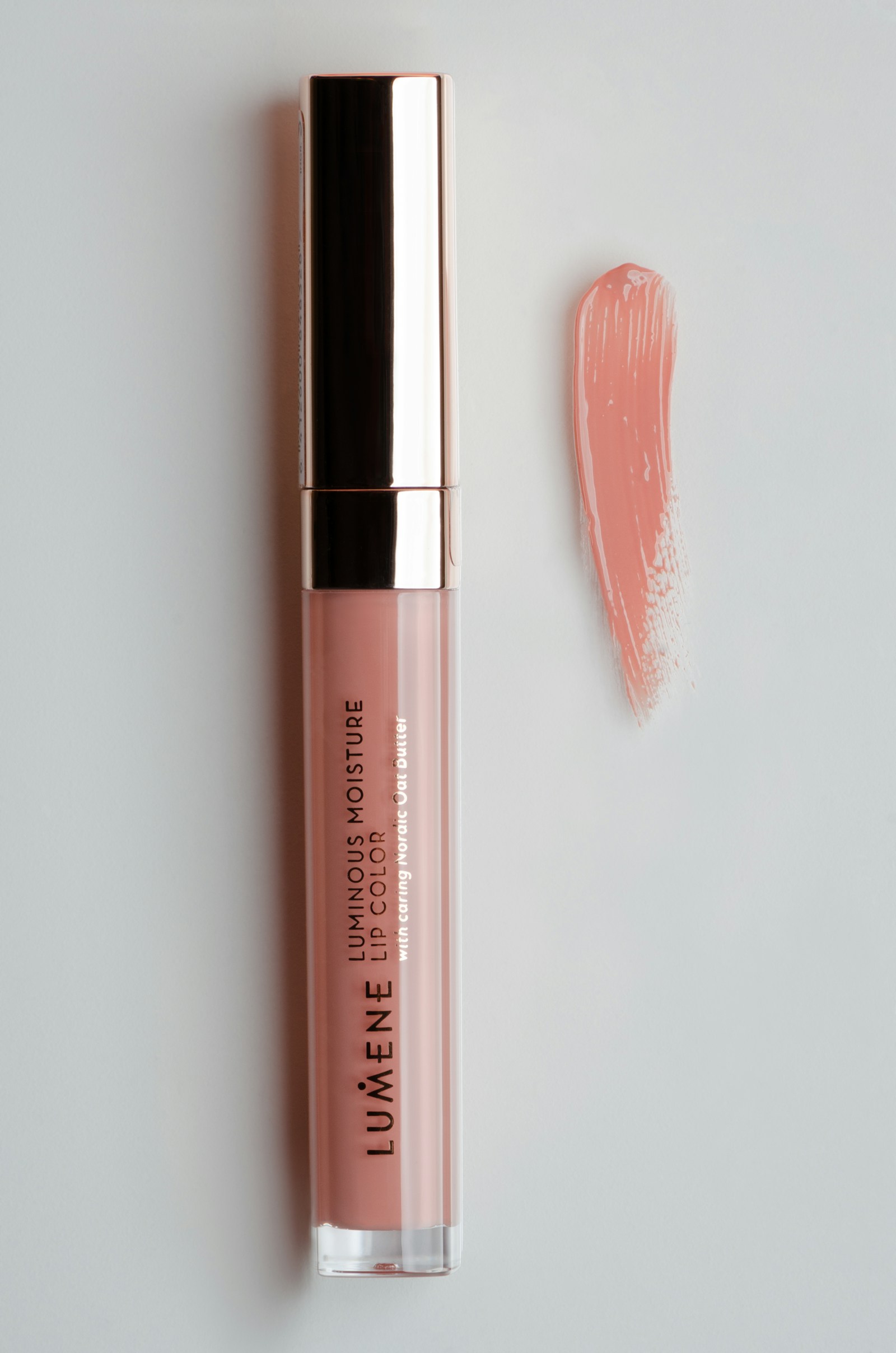
Few brands stop at lipstick. Lip gloss, lip liner, lip oil, balm and tinted treatments usually follow, and the smartest approach is to design lipstick boxes as the first piece of a packaging system rather than a one-off. Decide on a logo position, a type scale, a finish and a color rule, then apply them to every carton size.
| Product | Typical inside size (inches) | Inside size (cm) | Notes |
|---|---|---|---|
| Lipstick (classic) | 1 × 1 × 3.13 | 2.5 × 2.5 × 8 | Reverse tuck end, shade band |
| Lip gloss tube with wand | 1 × 1 × 4.25 | 2.5 × 2.5 × 10.8 | Taller; same width keeps rows aligned |
| Lip liner pencil | 0.63 × 0.63 × 5.75 | 1.6 × 1.6 × 14.6 | Often a sleeve or hang-tab carton |
| Lip balm tube | 0.75 × 0.75 × 2.75 | 1.9 × 1.9 × 7 | Can share the lipstick dieline with a shorter depth |
| Three-shade set | 3.5 × 1.25 × 3.38 | 8.9 × 3.2 × 8.6 | Rigid or paperboard with a die-cut insert |
Keeping the width constant across lipstick boxes, gloss boxes and balm boxes means the cartons line up on a shelf, fit the same display trays and share one dieline family, which lowers design costs as the range grows. If you need help building the system, our professional packaging designers can set it up with your brand assets.
Lipstick is a cosmetic in both the United States and Canada, and the carton is normally the “outer label” that regulators expect to carry most of the required information. The rules are detailed, so this section is a general orientation, not legal advice; confirm specifics with the regulator or a compliance professional before you print.
Practically, this means the back and one side panel of most lipstick boxes are spoken for before you add any decoration. Plan the panels in this order: front for brand and shade, back for ingredients and net weight, one end for the shade name and barcode, the other end for a batch code.
Custom cosmetic boxes from Custom Made Packaging start at around $0.30 per box, and simple lipstick boxes sit at the low end of that range because they use very little board. The exact price depends on six factors, listed roughly in order of impact.
| Factor | Lower cost | Higher cost |
|---|---|---|
| Quantity | 500 or more of one design | 30 to 100 boxes, or many shade variants with small runs each |
| Box style | Reverse tuck end | Sleeve and tray, window, rigid |
| Board | 14pt to 16pt SBS or kraft | 18pt+ SBS, rigid greyboard |
| Printing | CMYK outside only | Spot colors, inside printing, both sides |
| Finishes | Matte or gloss lamination | Soft-touch, foil, spot UV, embossing |
| Extras | None | Die-cut inserts, windows with film, tissue, stickers |
The hidden cost driver for lipstick boxes is the number of shades. Digital printing and a shared dieline keep the per-shade premium small, but it is worth launching with a focused edit of shades and adding more once you know what sells. Our full guide to cosmetic boxes cost walks through more examples.
We produce lipstick boxes for indie and mid-size beauty brands across both countries, with free shipping to every US state and every Canadian province. The design process is the same on both sides of the border; the label content and a few shipping details differ.
Cosmetics in the United States are overseen by the FDA, and lipstick cartons are expected to carry the product identity, a net quantity statement in both ounces and grams, an ingredient declaration and the responsible party’s details. Most US brands work in inches and pounds, and small lipstick cartons ship easily inside padded mailers or custom mailer boxes through USPS, UPS and FedEx without triggering dimensional-weight charges.
Health Canada regulates cosmetics in Canada, and the main design implication for lipstick boxes is bilingual labeling: the mandatory information generally appears in both English and French, and net quantity is declared in metric units. That extra text makes panel planning even more important on a small carton. Canadian brands typically specify sizes in centimeters and ship with Canada Post or courier services that quote volumetric weight in metric, though a lipstick carton is far too small for that to matter.
| United States | Canada | |
|---|---|---|
| Cosmetics regulator | FDA | Health Canada |
| Label language | English | English and French |
| Net quantity | US customary and metric, e.g. 0.12 oz (3.5 g) | Metric, e.g. 3.5 g |
| Common size units | Inches | Centimeters (inches accepted) |
| Typical carriers | USPS, UPS, FedEx | Canada Post, couriers |
| Shipping from Custom Made Packaging | Free | Free |
A typical lipstick box for a classic round tube measures about 1 × 1 × 3.13 inches (2.5 × 2.5 × 8 cm) inside. Slim, square, jumbo and liquid lipstick tubes all need different sizes, so measure your component and add a small allowance rather than relying on a standard size.
Custom cosmetic boxes start at about $0.30 per box at Custom Made Packaging, and simple tuck-end lipstick boxes sit near that starting point. Premium finishes, rigid board, inside printing and small quantities per shade push the price up.
Most lipstick boxes are made from 14pt to 18pt SBS paperboard, a bright white coated board that prints vividly and folds cleanly. Kraft board is popular with natural brands, and rigid greyboard wrapped in printed paper is used for sets and gift editions.
Yes. Our minimum order is 30 boxes per design, which suits indie brands testing a few shades. Digital printing keeps small runs affordable, and you can reorder as individual shades sell through.
Not necessarily. Many brands use one printed carton with a shade sticker or a small color band, which keeps costs down. If you want each shade fully color-matched, use a shared dieline and layout so the only change between versions is the color and the shade name.
In general terms, cosmetics sold in the United States need the product identity, a net quantity statement in US customary and metric units, an ingredient list and the responsible party’s name and address, plus any applicable warnings. Check the current FDA cosmetic labeling guidance before you go to print.
Generally, yes. Mandatory label information for cosmetics sold in Canada is expected in both English and French, and net quantity is shown in metric units. Plan the back and side panels to hold the extra text from the start.
After you approve the mockup, standard production is 10 to 15 business days, or 8 to 12 business days with rush service. You receive a 2D and 3D mockup within 48 hours of your request, and shipping to the USA and Canada is free.
Get the custom quote starting from our MOQ of 30 boxes to any order volume. There will be no charges for shipping and we ensure the lowest prices with highest quality possible.
Get a custom quote for custom boxes starting from our MOQ of 30 boxes to any order volume. Shipping is free and we ensure the lowest prices with the highest quality possible.
Request instant quote