Free Delivery: 


Our facilities are now open for visits. Please contact your PIC or email us at contact@custommadepackaging.com to request a visit.
Free Delivery:
Home – Blogs – Mailer Boxes vs Poly Mailers: Which to Choose in 2026
 – Blogs
by Custom Made Packaging Team – October 29, 2026 · 16 min read
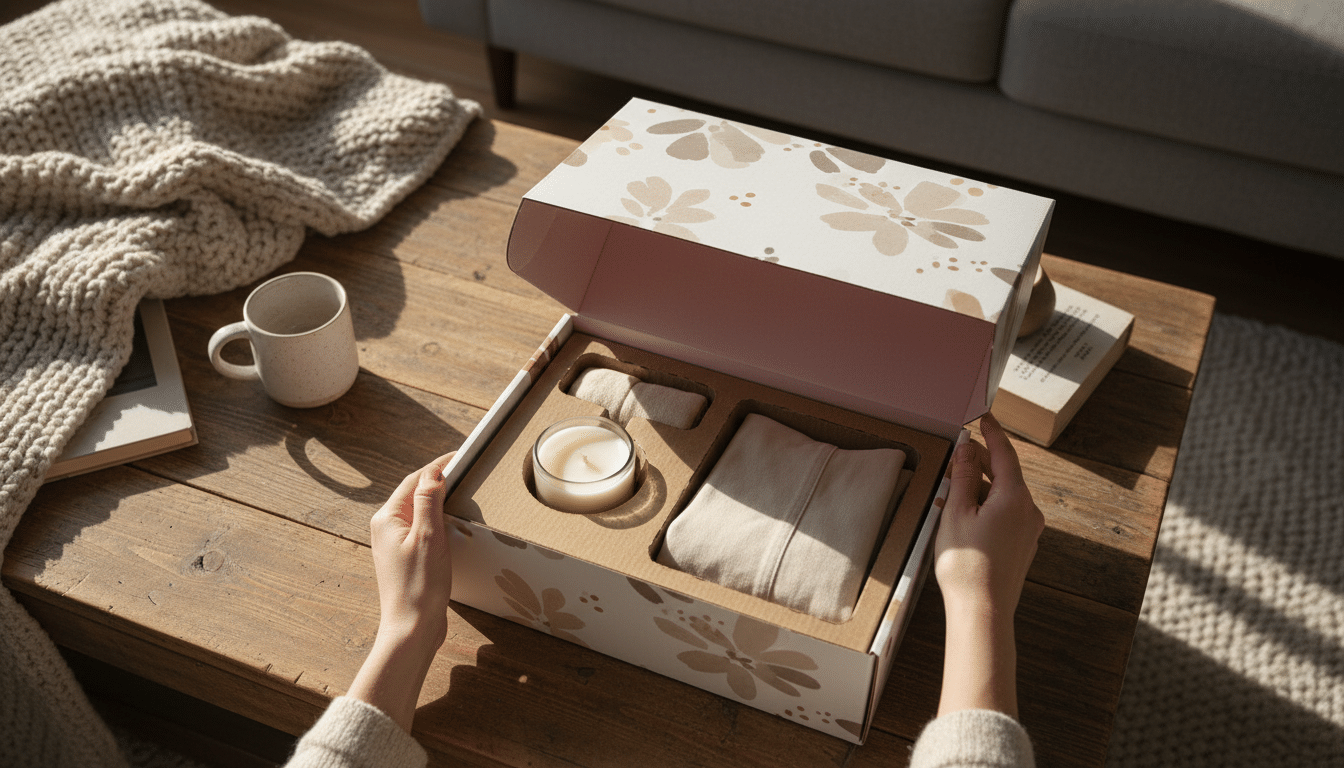
Mailer boxes vs poly mailers comes down to one trade-off: mailer boxes protect and present better, while poly mailers cost less to buy and usually less to ship. Choose a corrugated mailer box for anything fragile, rigid, giftable or premium, such as candles, cosmetics, electronics and subscription kits. Choose a poly mailer for soft, unbreakable goods like T-shirts, leggings, socks and textiles, where low weight and low cost matter more than structure.
That short answer covers most cases, but the right choice for your brand depends on your products, your margins, your return rate and how much your packaging needs to sell for you. In this guide you will learn exactly how the two options compare on protection, shipping cost, dimensional weight, branding, sustainability and price, which one suits each product category, and when it makes sense to use both.
We wrote it for small and mid-size e-commerce brands in the USA and Canada, so you will also find carrier and recycling notes for both markets, measurements in inches and centimeters, and a simple checklist you can use before you place your next packaging order.
Table of contents: The quick answer · What each option is · Side-by-side comparison · Protection · Shipping cost and DIM weight · Branding and unboxing · Cost and pricing factors · Sustainability · Which to choose by product · Using both · USA and Canada · Common mistakes · How to order · FAQ
If you only have a minute, use this rule of thumb. Ask yourself three questions about the product you are shipping:
When a product sits in the middle, for example a boxed accessory or a book, look at your damage and return rates. If items regularly arrive scuffed or bent in poly mailers, switching to a mailer box usually pays for itself through fewer replacements and better reviews.
A mailer box is a one-piece folding carton made from corrugated cardboard, with a hinged lid, side tuck flaps and dust flaps that lock the box shut without much tape. It is often called a roll end tuck front box. Because the corrugated board has a fluted middle layer, a mailer box holds its shape under stacking pressure and protects what is inside from impacts. Custom mailer boxes can be printed outside and inside, which is why they are the go-to choice for brands that want a memorable unboxing.
A poly mailer is a flat shipping envelope made from polyethylene film, usually with a peel-and-seal adhesive strip and often a second strip for returns. It is light, thin, water-resistant and tear-resistant, and it takes up almost no storage space before use. Custom poly mailer bags can be printed in your brand colors and pattern, so they still carry your identity to the customer’s door, but they do not give the product any structural protection.
Here is how the two options compare on the factors that matter most to an online store:
| Factor | Mailer box | Poly mailer |
|---|---|---|
| Material | Corrugated cardboard (E-flute or B-flute), white or kraft | Polyethylene film, often co-extruded white/grey or printed |
| Crush and impact protection | Good to very good | Minimal; the product carries its own load |
| Moisture resistance | Moderate; coatings help | High; rain and puddles are rarely a problem |
| Package weight | Heavier; adds noticeably to small orders | Very light; often just a fraction of an ounce to a couple of ounces |
| Storage before use | Ships flat but still bulky in volume | Very compact; hundreds fit in a carton |
| Branding space | Outside, inside and on inserts | Outside only |
| Unboxing experience | Premium, giftable, shareable | Functional and quick |
| Packing speed | Slower; fold, fill, close | Fast; insert, peel, seal |
| Starting price (Custom Made Packaging) | From $0.90 per box | From $0.30 per bag |
| Curbside recyclability | Widely accepted in the USA and Canada | Usually not accepted curbside |
Neither option is better in every row. The right pick is the one that wins on the rows that matter most for the specific product you are shipping.
Parcels go through conveyor belts, chutes, sorting machines, delivery trucks and porches. Along the way they are dropped, stacked under heavier boxes and occasionally rained on. How well each package survives depends on its structure.
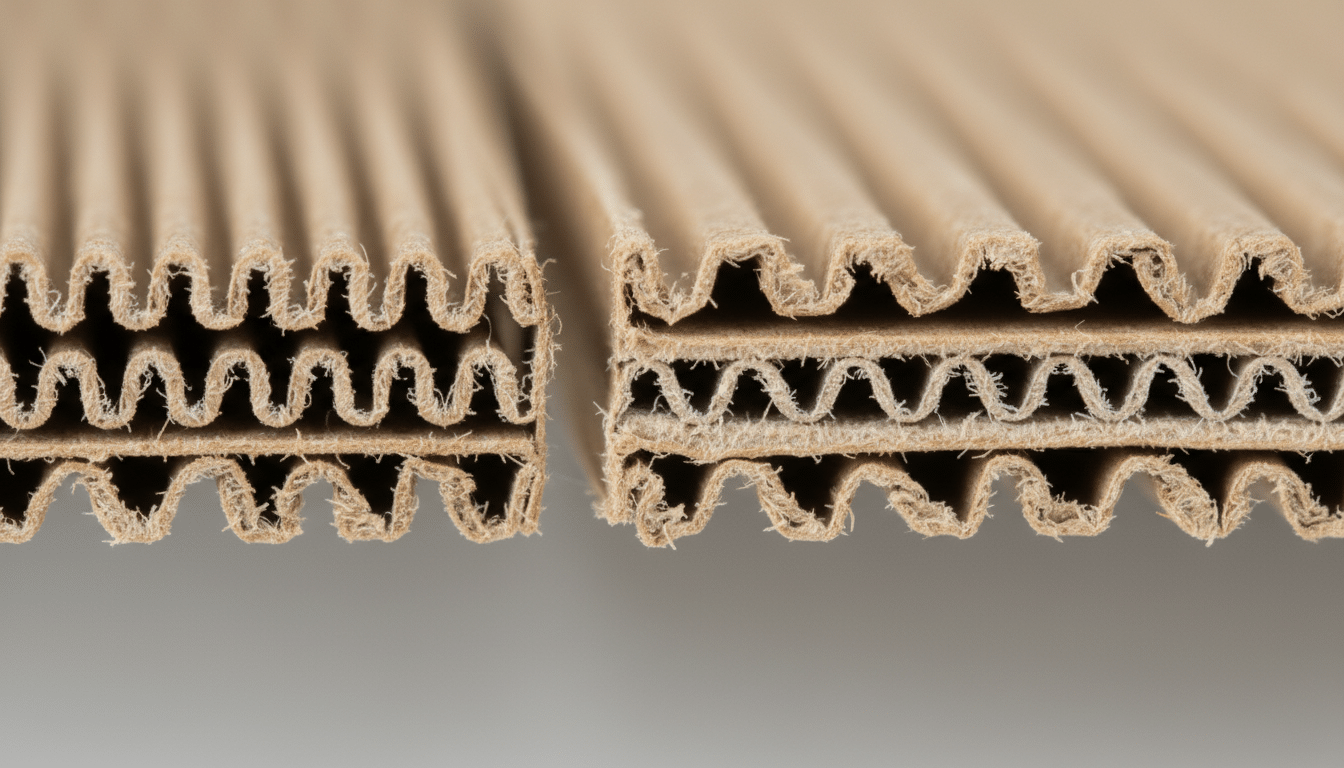
For small and medium boxes, E-flute gives a smooth print surface and good strength; for larger or heavier shipments, B-flute adds crush resistance. Our mailer box sizes guide explains how to match board and box size.
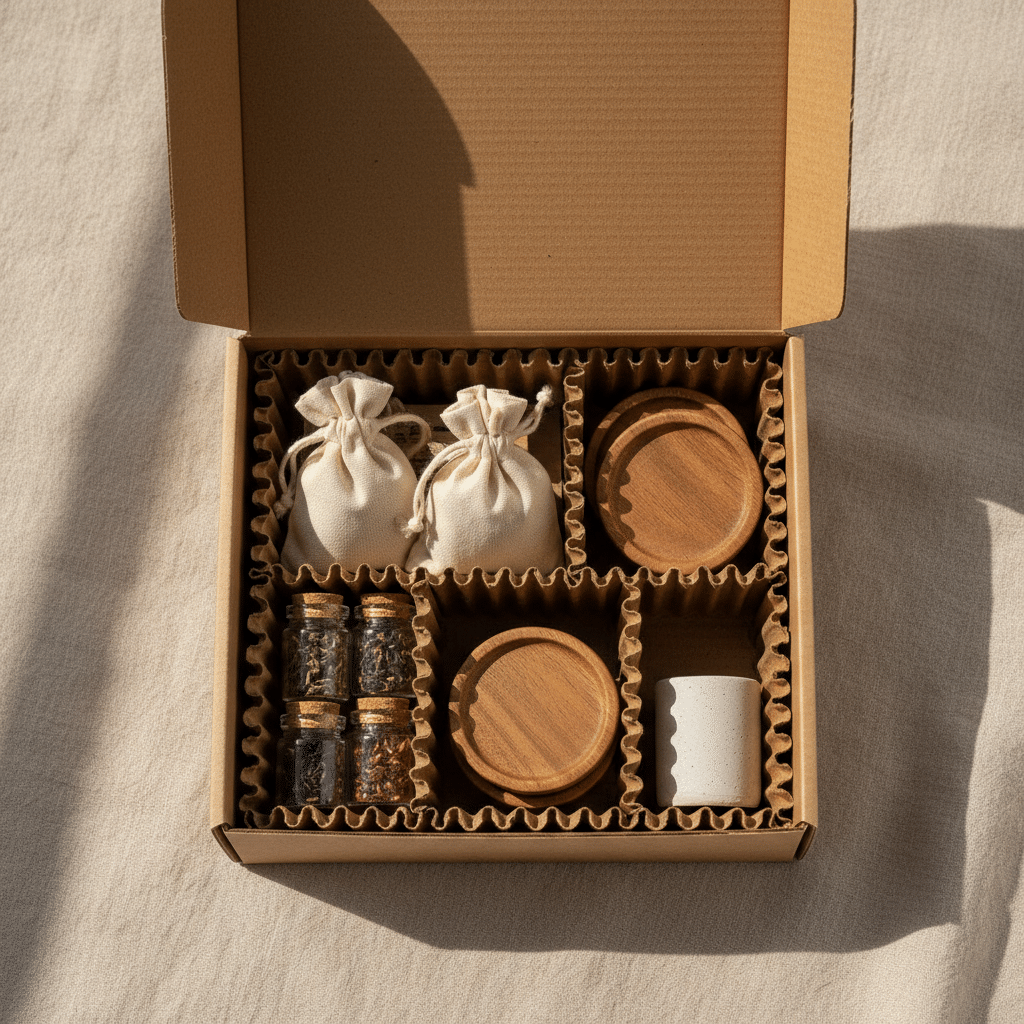
If a product can break, a poly mailer alone is the wrong choice. A padded or bubble-lined mailer adds a little cushioning, but it still will not stop a jar, a candle or a boxed electronic item from being crushed. For anything fragile, use a box and an insert; our guide to packaging inserts shows the main types.
Many sellers assume poly mailers are always cheaper to ship because they are lighter. Often they are, but the real driver is usually dimensional (DIM) weight, not just actual weight.
UPS and FedEx bill most parcels at the greater of their actual weight and their dimensional weight. DIM weight is the package’s length × width × height in inches divided by a divisor, commonly 139 for US domestic retail rates, and the result is rounded up to the next pound. USPS applies dimensional pricing mainly to larger parcels (generally those over one cubic foot), so small, light packages are usually billed on actual weight there. Divisors and thresholds change, and negotiated accounts may differ, so always check your carrier’s current rules.
Here is an illustrative example for a 1 lb (0.45 kg) folded hoodie shipped with UPS or FedEx retail rates:
| Package (outside, packed) | DIM weight (÷139) | Billed weight |
|---|---|---|
| Mailer box 12 × 10 × 4 in (30.5 × 25.4 × 10.2 cm) | about 3.5 lb | 4 lb |
| Mailer box 12 × 9 × 3 in (30.5 × 22.9 × 7.6 cm) | about 2.3 lb | 3 lb |
| Poly mailer, filled, about 13 × 10 × 2 in (33 × 25.4 × 5.1 cm) | about 1.9 lb | 2 lb |
Three lessons stand out:
If you have already settled on boxes, see our breakdown of how much mailer boxes cost to estimate your total landed cost per order.
Packaging is often the first physical touchpoint a customer has with an online brand. The two options give you very different amounts of space to make an impression.
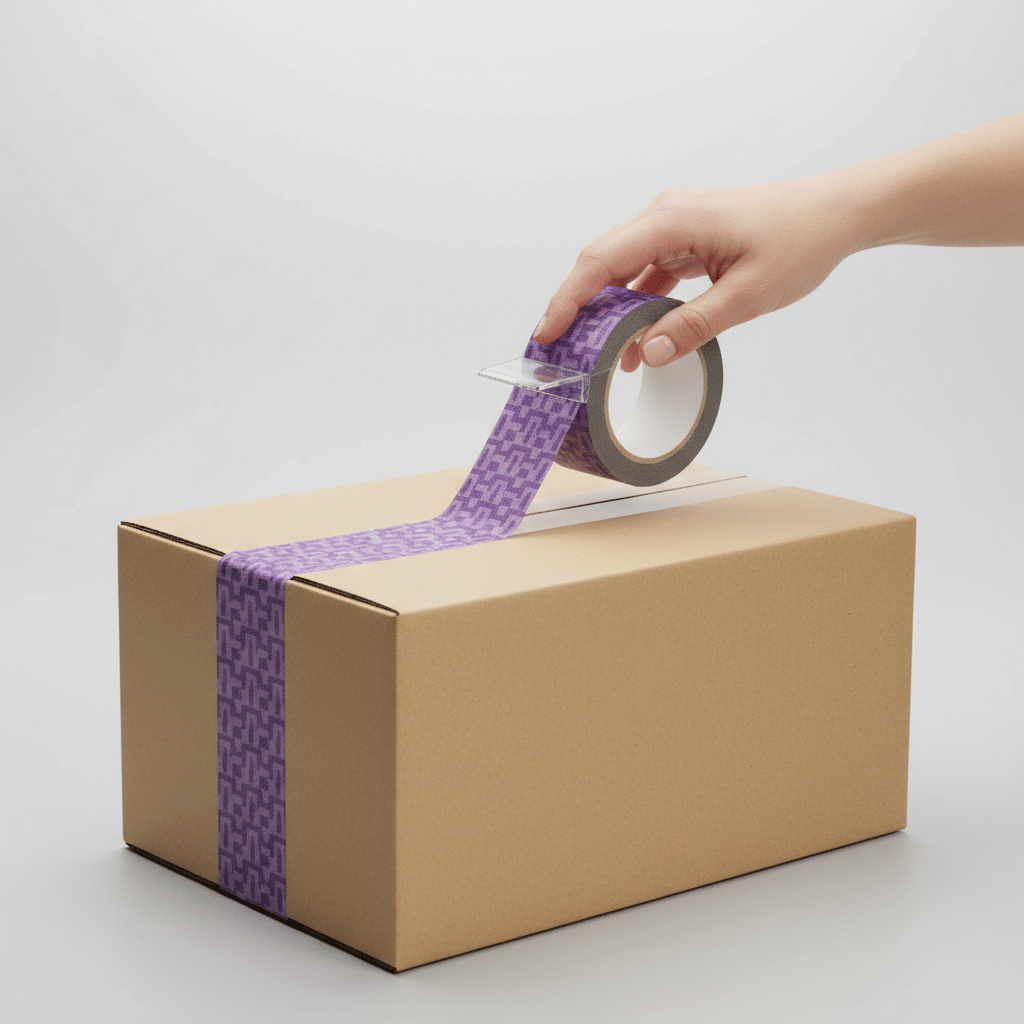
A printed poly mailer can still look striking, with full-coverage color, a pattern or a large logo. What it cannot do is create a staged reveal. Many apparel brands close that gap by folding garments in tissue, adding a branded sticker and including a printed card, which costs far less than switching to a box for every order.
Ask yourself whether customers are likely to film or photograph the moment they open the package. For gifts, beauty, subscription kits and influencer seeding, the answer is usually yes, and a printed mailer box earns its extra cost. For repeat basics like socks or tees, a well-designed poly mailer is usually enough.
On unit price alone, poly mailers are cheaper: at Custom Made Packaging, poly mailers start from $0.30 each, kraft boxes from $0.50 and printed mailer boxes from $0.90. But the true cost per order includes more than the packaging itself.
| Cost factor | How it affects mailer boxes | How it affects poly mailers |
|---|---|---|
| Size | Larger boxes use more board and cost more per unit | Larger bags cost a little more; the impact is smaller |
| Material and board grade | E-flute vs B-flute, white vs kraft, recycled content | Film thickness (mil), recycled content, padded lining |
| Printing | Number of colors, outside only or inside and outside | Number of colors and coverage |
| Finishes and add-ons | Coatings, foil, inserts and tissue add cost | Usually none beyond print |
| Order quantity | Unit price drops as quantity rises | Unit price drops as quantity rises |
| Shipping and storage | Heavier and bulkier; can raise postage on light orders | Light and compact; lowers postage and storage |
| Damage and returns | Fewer damaged items for fragile goods | Higher risk of damage for anything rigid or breakable |
| Packing labor | Slower to assemble and fill | Faster to pack |
A useful way to compare is cost per successful delivery: packaging + postage + packing time + the cost of replacing damaged items, divided by orders delivered intact. For a hoodie, the poly mailer almost always wins. For a glass candle, a poly mailer may look cheaper on paper but lose money once breakages are counted.
There is no single winner; it depends on what happens to the package after delivery and how much material each option uses.
Whichever you choose, avoid vague claims. If you print recycling or eco messages on your packaging, make sure they are accurate for your actual material and for where your customers live. Telling customers to “recycle where facilities exist” or to check local programs is safer than promising universal recyclability.
Use this table as a starting point for the most common e-commerce categories:
| Product type | Best option | Why |
|---|---|---|
| T-shirts, hoodies, leggings | Poly mailer | Soft, unbreakable, light; lowest cost per order |
| Premium apparel, gift sets | Mailer box | Unboxing and perceived value justify the box |
| Cosmetics and skincare | Mailer box with insert | Bottles and jars need structure and positioning |
| Candles and glass | Mailer box (B-flute for heavier jars) with insert | Crush and impact protection are essential |
| Jewelry and small accessories | Small mailer box, or product box inside a padded mailer | Protects shape and presentation |
| Books and prints | Mailer box | Prevents bent corners and creases |
| Supplements and coffee | Mailer box or product box inside a mailer | Keeps containers upright and labels intact |
| Subscription boxes | Mailer box | Unboxing is central to retention |
| Socks, scarves, textiles | Poly mailer | Compact, waterproof and inexpensive |
If your products already sit in their own retail cartons, such as cosmetic boxes or product boxes, you can sometimes ship single units in a padded poly mailer and use a mailer box only for multi-item orders. For a wider look at every option, read our guide to the types of custom packaging.
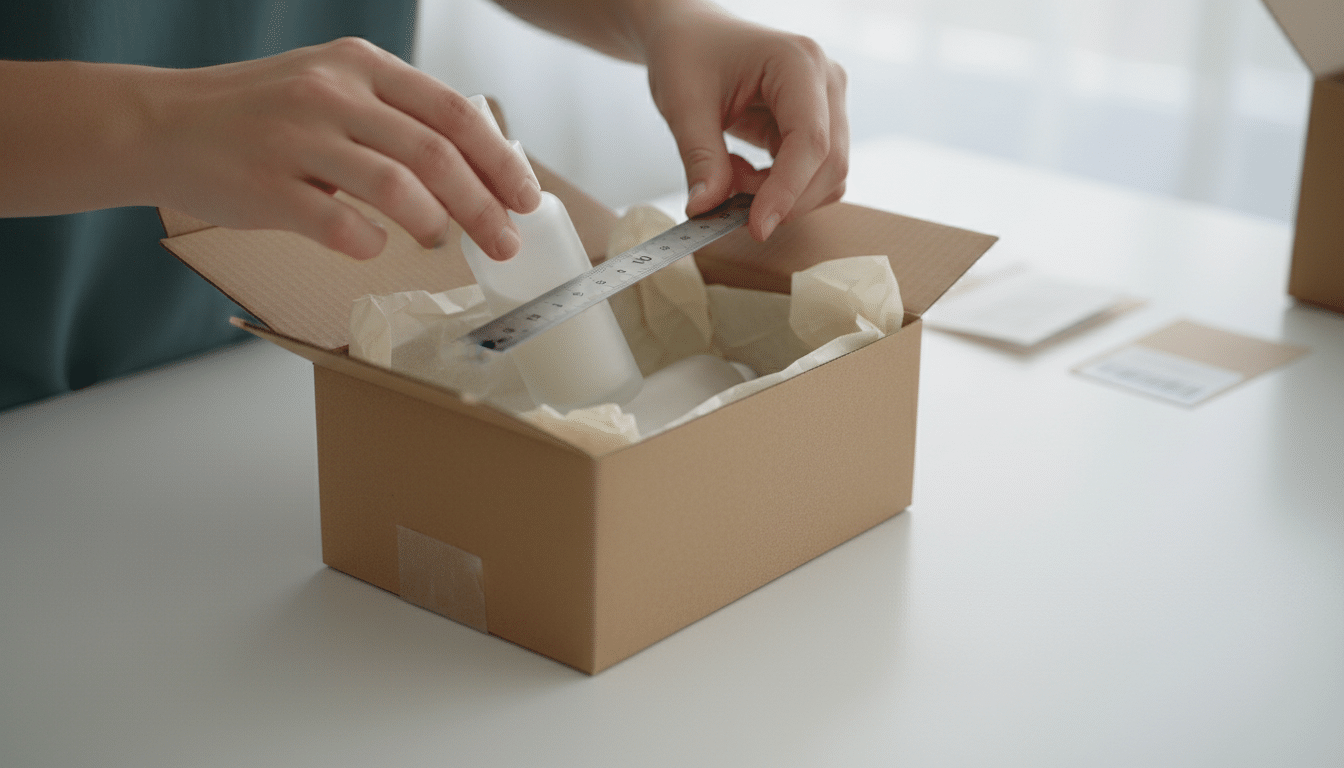
Many growing brands do not pick one; they run a simple two-tier system:
This approach keeps average packaging and shipping costs low while still giving your most important customers a premium experience.
Pro tip: Set an order-value or item-type rule in your fulfillment workflow, for example “any order with glass or over a set basket value ships in a box.” A clear rule keeps packers consistent and makes your packaging costs predictable, instead of leaving the choice to whoever is packing that day.
We ship custom mailer boxes and poly mailers free to businesses anywhere in the USA and Canada. The basic trade-offs are the same in both countries, but a few market details are worth knowing.
US carriers price in inches and pounds. UPS and FedEx apply DIM weight broadly, while USPS applies it mainly to larger parcels, so lightweight poly mailers can be especially economical for small apparel orders sent by USPS. If your mailer box also serves as the retail package and carries product information, US labeling rules for that product category apply, including net quantity statements in both US customary and metric units where required. A plain shipping box or poly mailer used only for transit generally does not carry those requirements, but always confirm the rules for your product.
Canadian carriers usually calculate volumetric weight in metric, dividing length × width × height in centimeters by a carrier-specific divisor (5,000 and 6,000 are common) and comparing it with actual weight in kilograms. If your mailer box doubles as consumer packaging with mandatory label information, most of that information must appear in both English and French. Recycling programs are run provincially and municipally, so tell customers to check local rules rather than promising that film or coated board is recyclable everywhere.
| What matters | United States | Canada |
|---|---|---|
| Units on carrier quotes | Inches and pounds | Usually centimeters and kilograms |
| Dimensional weight | Common at UPS and FedEx; USPS mainly for larger parcels | Volumetric weight used by most carriers, metric divisors |
| Label language (if the box is retail packaging) | English; check category rules | Most mandatory consumer information in English and French |
| Recycling of corrugated boxes | Widely accepted curbside | Widely accepted curbside |
| Recycling of poly mailers | Mostly drop-off programs, varies by area | Varies by province and municipality |
| Shipping from Custom Made Packaging | Free shipping | Free shipping |
For more on starting out in either market, see our guide to custom packaging for small business.
Usually, yes. Poly mailers cost less per unit and weigh less, so they often bill at a lower shipping rate. The savings only hold for products that cannot be damaged in transit; for fragile items, replacement costs can quickly outweigh them.
It is not recommended. Poly mailers resist water and tearing but offer almost no crush protection. Bubble-lined mailers help with scratches, but glass, jars, candles and rigid items belong in a corrugated mailer box with an insert or cushioning.
For everyday apparel, a poly mailer is usually the better choice because it is light, compact and waterproof. Premium clothing, gift sets and first orders often justify a printed mailer box for a stronger unboxing experience.
They can. For small, light parcels, USPS mostly prices by actual weight and zone, so the extra weight of a box can push an order into a higher weight band. Dimensional pricing at USPS mainly applies to larger parcels, so right-sizing still matters for bigger boxes.
Corrugated mailer boxes are widely recyclable at the curb in the USA and Canada and are made from renewable fiber. Poly mailers use less material and fuel to ship but are rarely accepted curbside. Right-sized packaging with recycled content is the most sustainable option in either case.
It depends on where your customer lives. Recycling is managed provincially and municipally, and acceptance of plastic film varies. Encourage customers to check their local program rather than printing a universal recycling claim.
At Custom Made Packaging, custom mailer boxes start from a minimum order of 30 boxes, from $0.90 per box, with free design support and free shipping to the USA and Canada.
Start with the option that matches your main product. Apparel brands usually begin with poly mailers and add a branded box for gifts later; brands selling fragile or premium products should start with mailer boxes. Ordering small runs lets you test both without tying up cash.
Get the custom quote starting from our MOQ of 30 boxes to any order volume. There will be no charges for shipping and we ensure the lowest prices with highest quality possible.