Free Delivery: 


Our facilities are now open for visits. Please contact your PIC or email us at contact@custommadepackaging.com to request a visit.
Free Delivery:
Home – Blogs – Subscription Box Packaging: 10 Best Expert Tips for 2026
 – Blogs
by Custom Made Packaging Team – November 9, 2026 · 15 min read
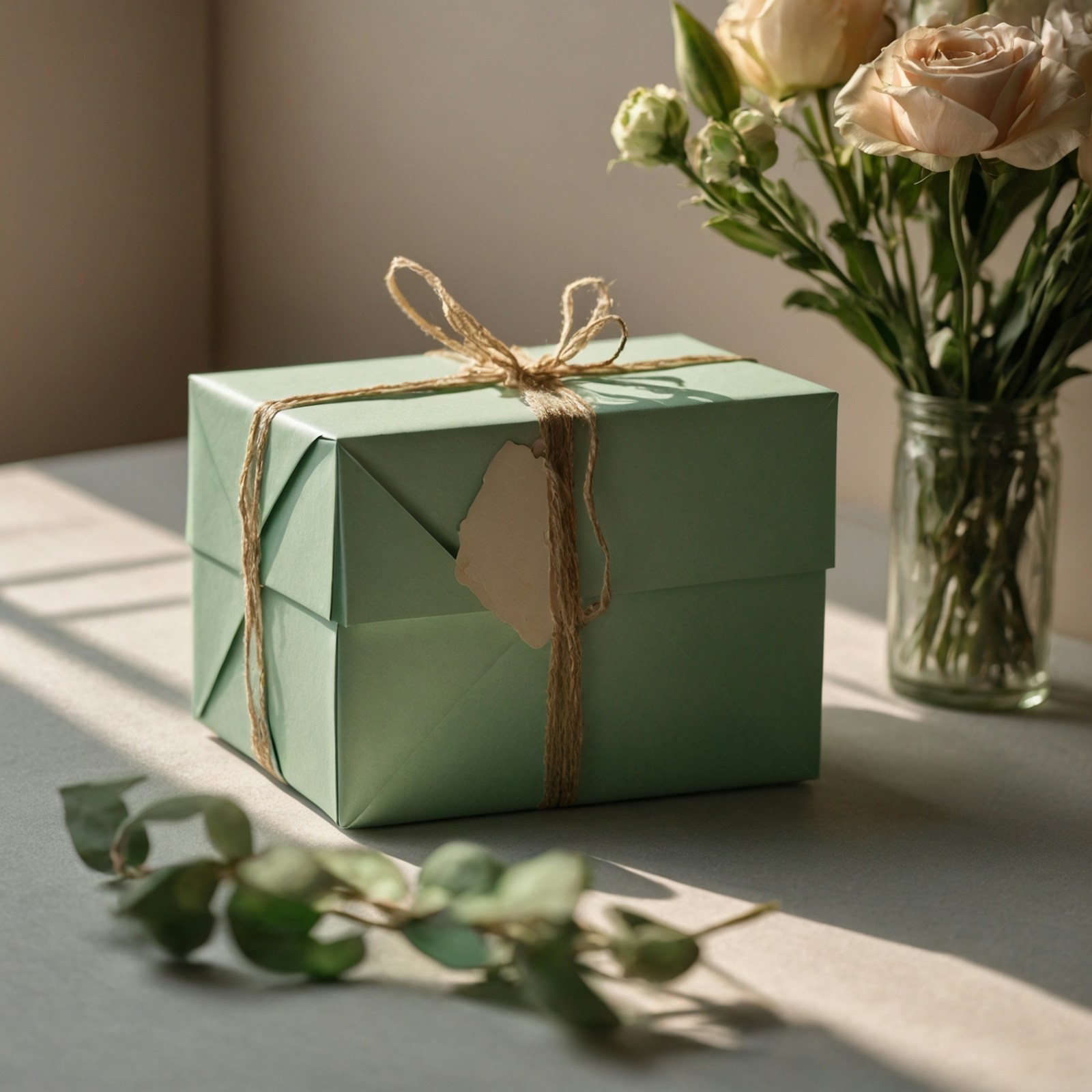
Subscription box packaging is the one part of your product that every subscriber touches, photographs and judges month after month, so it has to protect the contents, survive the carrier network and still feel like a gift when the lid comes off. Get it right and renewals go up; get it wrong and the first box is also the last. This guide explains exactly how to design, size, print and ship subscription boxes that keep people subscribed.
You will learn which box styles and board grades work for recurring shipments, how to size a box when the contents change every month, which inserts and void fill keep items in place, how printing and finishes shape the unboxing moment, what drives cost per box, and how US and Canadian carriers bill for size. We also cover the mistakes that quietly drain margin and a simple four-step ordering process with a 30-box minimum.
Everything here is written for small and mid-size subscription businesses in the United States and Canada, with measurements in inches and centimeters and prices in US dollars.
A regular e-commerce order is judged once. A subscription box is judged every month, and each delivery is a small vote on whether the customer stays. That changes how you should think about the box. It is not a shipping container; it is a recurring brand touchpoint that has to earn its place on the doorstep.
The rest of this guide treats subscription box packaging as a system: structure, material, size, interior, graphics and shipping all have to work together, and a weakness in any one of them shows up at the subscriber’s door.
Most subscription box packaging uses one of four structures. Each has a different balance of protection, presentation and cost.
| Box style | Best for | Ships on its own? | Starting price |
|---|---|---|---|
| Corrugated mailer box (roll-end tuck-top) | Most subscription boxes: beauty, snacks, lifestyle, pets | Yes | From $0.90 |
| Kraft mailer box | Eco-positioned, natural or artisan brands | Yes | From $0.50 |
| Folding carton (product box) | Light kits shipped inside an outer mailer | No | From $0.80 |
| Rigid box | Luxury or quarterly premium boxes | Usually inside a mailer | From $3.00 |
A roll-end tuck-top mailer locks closed without tape, opens like a lid and prints beautifully inside and out. It is the structure most people picture when they think of a subscription box, and it is the one we recommend for the majority of brands. Explore sizes and print options on our custom mailer boxes page.
Unbleached kraft boxes give a warm, honest look that suits coffee, tea, skincare, candles and anything positioned around sustainability. One or two ink colors on kraft often look better than full-color print, which also keeps the price down.
Some brands prefer a two-layer experience: a plain protective outer mailer and a premium printed product box or rigid box inside. It costs more per shipment, but it keeps the presentation box pristine, which matters for luxury and gifting subscriptions.
Subscription box packaging that ships on its own needs corrugated board. The “flute” is the wavy layer between the liners, and its height decides strength, thickness and print quality.
| Board | Thickness | Print quality | Use it for |
|---|---|---|---|
| E-flute corrugated | About 1/16 in (1.5 mm) | Excellent, smooth surface | Small and medium subscription boxes up to about 5 lb (2.3 kg) |
| B-flute corrugated | About 1/8 in (3 mm) | Good | Large boxes, glass, jars and heavier assortments |
| White-top kraft liner | E or B | Bright colors, crisp detail | Full-color branded boxes |
| Natural kraft liner | E or B | Earthy, one to two colors recommended | Eco and artisan brands |
For a deeper look at liners, coatings and recycled content, see our guide to custom packaging materials. In short: E-flute for most boxes, B-flute when the contents are heavy or fragile, and white-top when you want vivid full-color graphics.
Sizing is the hardest decision in subscription box packaging because the contents are different every month. The goal is one box (or at most two) that fits every reasonable assortment without rattling or bulging.
| Subscription type | Typical inside size (inches) | Centimeters |
|---|---|---|
| Beauty or skincare samples | 8 × 6 × 2 | 20.3 × 15.2 × 5.1 |
| Snack or coffee box | 10 × 8 × 4 | 25.4 × 20.3 × 10.2 |
| Lifestyle or self-care box | 11 × 8 × 3 | 27.9 × 20.3 × 7.6 |
| Apparel or accessories | 12 × 9 × 3 | 30.5 × 22.9 × 7.6 |
| Pet or kids activity box | 12 × 10 × 4 | 30.5 × 25.4 × 10.2 |
Treat these as starting points. Our mailer box sizes guide walks through fit allowances in more detail, and every box we make is cut to your exact inside dimensions.

What goes between the products and the walls decides whether the box arrives intact and whether the reveal feels curated or chaotic. You have four main options, and most brands combine two.
Our article on packaging inserts compares the options in detail. For subscription boxes specifically, a simple corrugated platform with cut-outs for your “anchor” products (the items that appear most months) is often the best investment you can make.
Good subscription box packaging tells a short story in three beats: the outside creates anticipation, the inside of the lid delivers a message, and the arrangement of products pays it off. Here is how to design each beat.
Keep the exterior of your subscription box packaging simple and recognizable: a logo, a pattern or a single bold color that reads from across the room. Because the same design ships every month, it should age well. Avoid dated trends and seasonal references on the main box; put those on cards and stickers instead.
Inside printing is available on our mailer, kraft, CBD and product boxes, and it is the single most effective upgrade for subscription box packaging. A welcome line, a pattern or a QR code to this month’s digital content turns an ordinary lid into the moment people photograph. Our guide to custom printed mailer boxes covers print methods and finishes in depth.
Matte aqueous coating resists scuffs in transit and looks premium. Spot UV on the logo adds a tactile touch for little cost. Tear strips and branded tapes make opening easy and reinforce the brand before the lid even lifts.

Pro tip: Design one evergreen box and rotate the inexpensive parts. Change the tissue color, the insert card and the sticker each month while the printed box stays the same. Subscribers get variety, you get the lower unit price that comes from ordering one design in volume, and you never sit on obsolete stock.
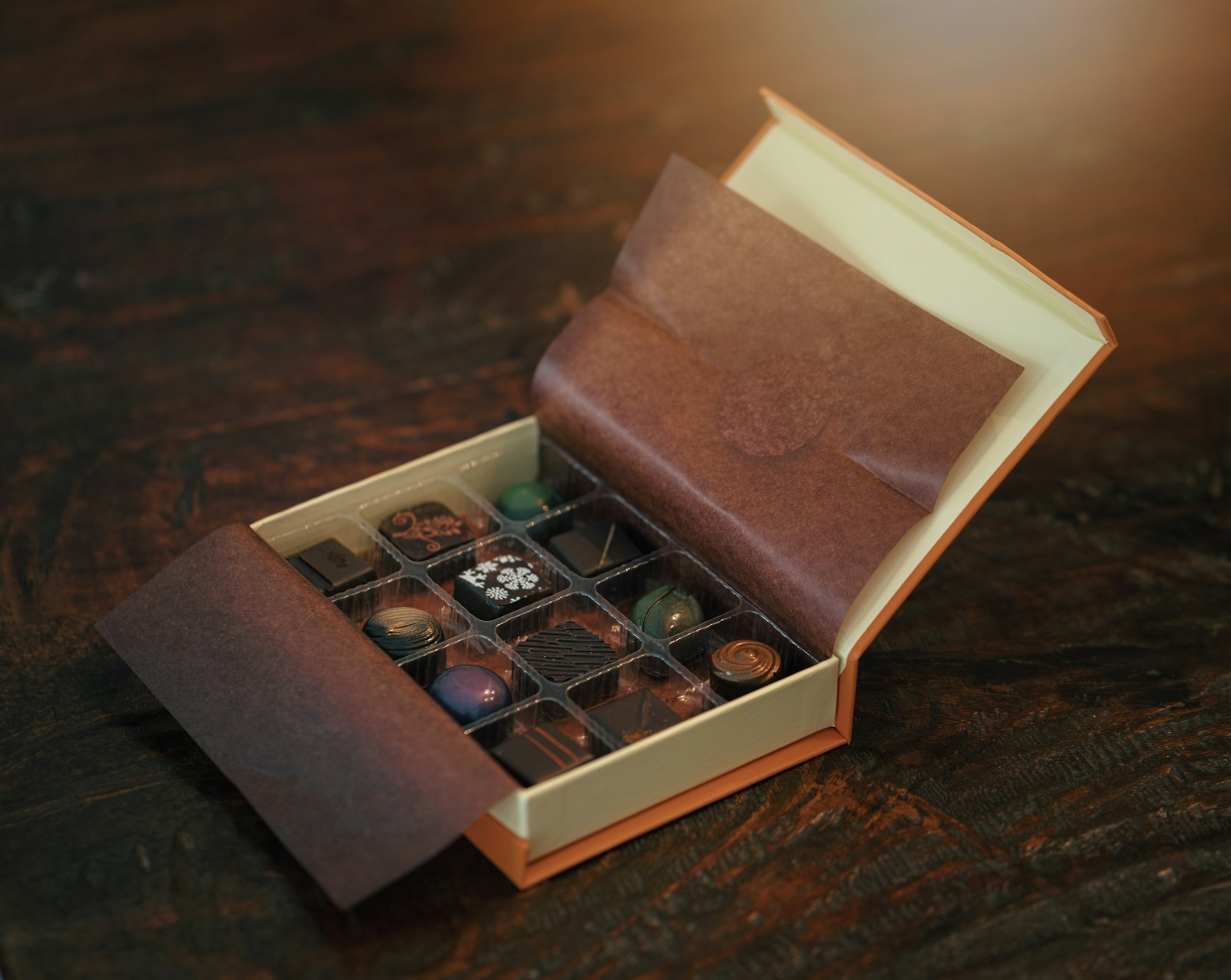
Small bottles and jars roll, so use a shallow E-flute mailer with a die-cut insert. White-top board shows pastel palettes accurately. Print ingredient or shade information on a card rather than the box so the box can be reused across months.
Food subscriptions need rigidity and a clean interior. Kraft mailers with a food-safe liner or inner bags work well, and B-flute is worth it for jars and heavy bags of beans. Our food-safe packaging page covers compliant materials.
Glass jars are the most common breakage complaint in subscription boxes. Give each jar its own candle box or a fitted cavity, leave cushioning above the lid, and move up to B-flute for the outer mailer.
Soft goods compress, so a shallow 2 to 3 inch (5 to 7.6 cm) box keeps dimensional weight down. Fold garments to a consistent footprint and wrap in tissue. For very light months, a printed poly mailer can be a lower-cost alternative, though it gives up the lid-opening moment.
Subscription box packaging for pets, kids and hobbies is often bulkier and more varied. Choose a slightly larger B-flute mailer, use crinkle paper generously, and print a playful interior that doubles as part of the activity.
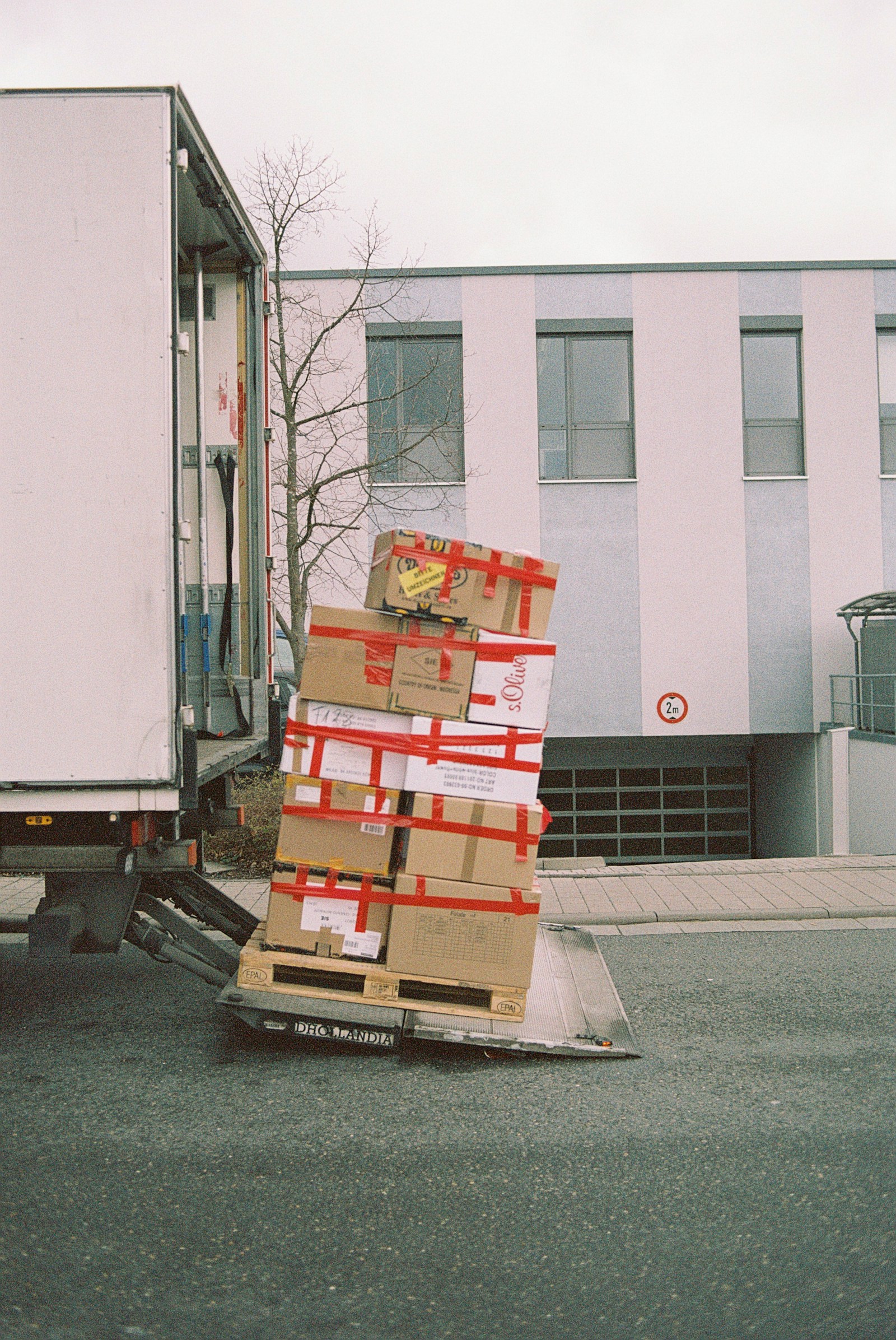
A subscription box is shipped as-is, so the outside of your mailer is also your shipping carton. Two things follow from that: the board must survive the carrier network without an overbox, and the outside dimensions directly set your shipping cost.
Major US carriers bill many parcels by dimensional weight: length × width × height in inches divided by a divisor (139 is common for retail rates with UPS and FedEx), compared against the actual weight, with the higher figure charged. Canadian carriers use the same idea in metric, dividing cubic centimeters by a divisor such as 5,000 or 6,000 to get volumetric kilograms. In both countries, trimming even one inch of depth can move a box into a cheaper weight band.
| Outside size (inches) | US dimensional weight (÷139) | Outside size (cm) | Canadian volumetric weight (÷5,000) |
|---|---|---|---|
| 11 × 9 × 3 | About 2.1 lb → billed 3 lb | 27.9 × 22.9 × 7.6 | About 0.97 kg |
| 11 × 9 × 4 | About 2.8 lb → billed 3 lb | 27.9 × 22.9 × 10.2 | About 1.3 kg |
| 12 × 10 × 5 | About 4.3 lb → billed 5 lb | 30.5 × 25.4 × 12.7 | About 1.97 kg |
Check your carrier’s current rate guide, because divisors and rounding rules change. Then size your subscription box packaging so the dimensional weight stays close to the real weight, and test a sealed box through at least one full shipping cycle before you commit to a design.
Because you reorder the same box repeatedly, it pays to understand what moves the unit price. These are the main levers, roughly in order of impact.
As a reference, custom mailer boxes start at about $0.90 each, kraft boxes at $0.50, product boxes at $0.80, poly mailers at $0.30 and rigid boxes at $3. Our mailer boxes cost guide breaks down pricing by size and quantity, and a quote is free and quick.
We ship custom subscription box packaging to brands across the United States and Canada with free shipping to both countries. The structures and materials are the same, but a few practical details differ.
| United States | Canada | |
|---|---|---|
| Units on quotes and labels | Inches and pounds | Centimeters and kilograms (inches accepted on quotes) |
| Dimensional weight | Cubic inches ÷ divisor (often 139) | Cubic centimeters ÷ divisor (often 5,000 or 6,000) |
| Label language | English | Bilingual English and French for prepackaged consumer goods |
| Net quantity on products | US customary and metric | Metric |
| Common carriers | USPS, UPS, FedEx | Canada Post, UPS, FedEx, regional couriers |
| Shipping from us | Free | Free |
US subscription brands typically ship with USPS, UPS or FedEx, and dimensional pricing applies to many parcels, so a compact mailer is the quickest way to protect margin. If your boxes contain food, cosmetics or supplements, the product labels inside the box carry the regulatory information; the outer box itself is primarily a brand and protection decision. Keep an eye on any state-level recycling or labeling rules that apply to your category.
Canadian brands should plan for bilingual English and French labeling on prepackaged consumer products and metric net quantities, which usually lives on the product or an insert card rather than on the mailer. Canada Post and the major couriers quote volumetric weight in metric, so send us inside dimensions in centimeters if that is how you work. Note that CBD is regulated as cannabis in Canada with strict plain-packaging rules, so a branded CBD subscription box is not an option there; our custom packaging in Canada guide covers the broader landscape.
A printed corrugated mailer box with a roll-end tuck-top closure is the best all-round choice for subscription box packaging. It ships on its own, prints inside and out, and locks without tape. Choose E-flute for light contents and B-flute for glass or heavier assortments.
Custom mailer boxes start at about $0.90 per box and kraft mailers at about $0.50, with price dropping as quantity rises. Inside printing, premium finishes and die-cut inserts add to the unit cost, while smaller dimensions reduce it.
Size it for your largest typical month plus 1/4 to 1/2 inch (0.6 to 1.3 cm) per dimension for fill. Many lifestyle boxes land around 11 × 8 × 3 inches (27.9 × 20.3 × 7.6 cm), but a custom size that matches your products is always better than a stock size.
Yes. Custom Made Packaging offers subscription box packaging from a minimum of 30 boxes, which lets new services launch without a large stock commitment. As your subscriber count grows, larger runs bring the unit price down.
Not if you use a corrugated mailer. It is designed to be the shipping container, which saves material and cost. Use an outer box only when the presentation box is a folding carton or rigid box that would scuff in transit.
Most US subscription brands ship with USPS, UPS or FedEx, and many parcels are billed by dimensional weight based on outside dimensions. Keeping the box compact and the depth shallow is the simplest way to lower cost per shipment.
Plan for bilingual English and French labeling on prepackaged consumer products, metric net quantities, and volumetric weight calculated in centimeters and kilograms. We accept inside dimensions in either unit and ship to Canada for free.
Yes. Inside printing is available on our mailer, kraft, CBD and product boxes. It is the most noticed element of subscription box packaging because the lid interior is the first thing a subscriber sees when the box opens.
Get the custom quote starting from our MOQ of 30 boxes to any order volume. There will be no charges for shipping and we ensure the lowest prices with highest quality possible.
Get a custom quote for custom boxes starting from our MOQ of 30 boxes to any order volume. Shipping is free and we ensure the lowest prices with the highest quality possible.
Request instant quote