Free Delivery: 


Our facilities are now open for visits. Please contact your PIC or email us at contact@custommadepackaging.com to request a visit.
Free Delivery:
Home – Blogs – Custom Box Design: 12 Proven Steps for Stunning Results
 – Blogs
by Custom Made Packaging Team – November 21, 2026 · 18 min read
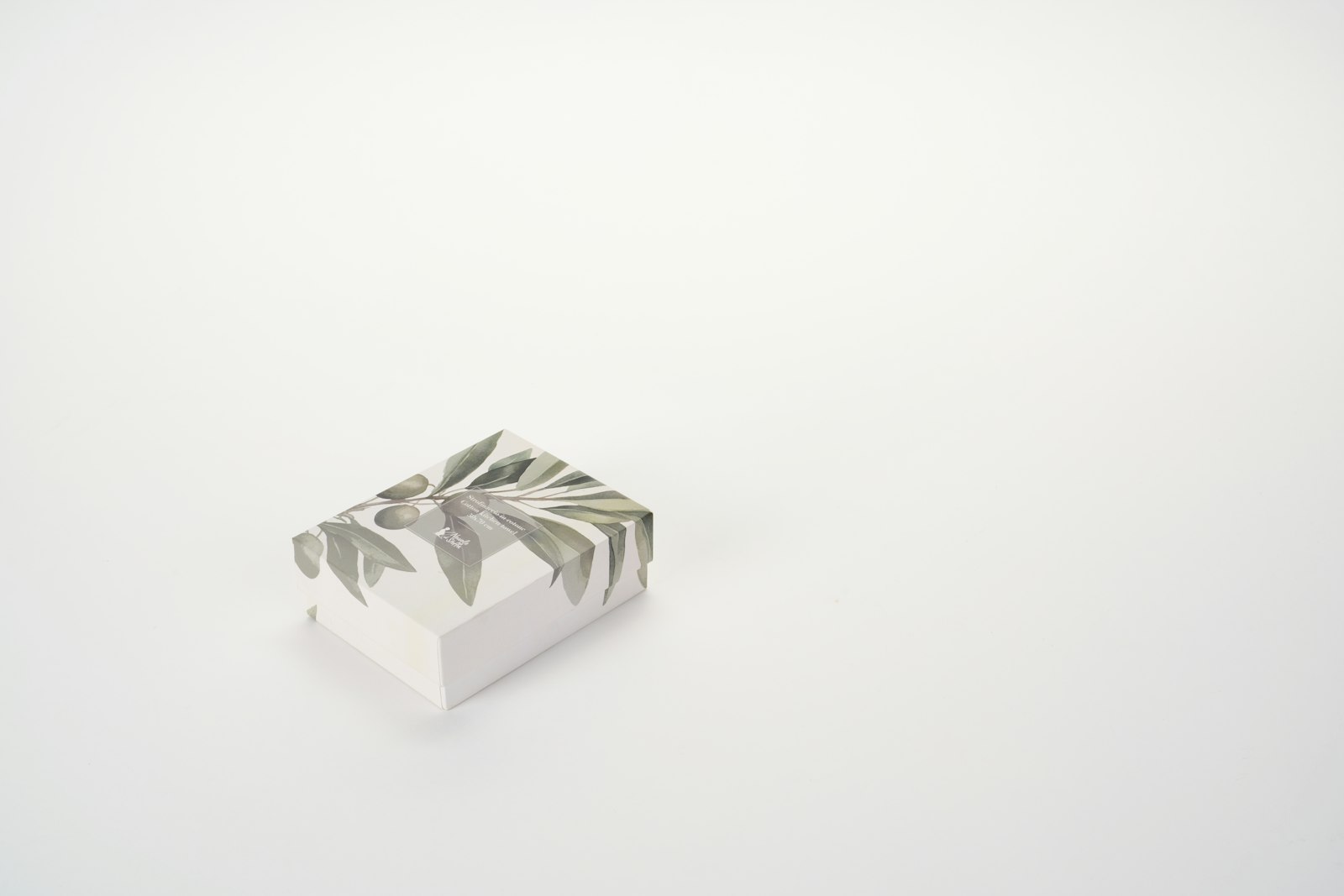
Custom box design is the process of deciding how a box is built, what it is made from and how it is printed so that it protects your product, fits your budget and looks unmistakably like your brand. Done well, it turns an ordinary carton into a sales tool that customers photograph, keep and remember.
Done badly, it leads to boxes that crush in transit, logos that print the wrong shade of blue, and reorders that cost more than they should. Most of those problems are avoidable if you work through the custom box design in the right order instead of jumping straight to artwork.
This guide walks small and mid-size brands in the United States and Canada through 12 proven custom box design steps: writing a clear brief, picking a box style and board, preparing a dieline, choosing colors and print finishes, planning the inside of the box, proofing with mockups and samples, and understanding what drives the price. By the end you will know exactly what to send a packaging supplier to get a box you are proud of.
Many people hear “box design” and think of the artwork: the logo, the colors, the pattern on the lid. That is only half of it. Professional custom box design has two layers that have to work together, and the first one is the part most first-time buyers skip.
In custom box design, the structural layer decides the physical box: the style (mailer, tuck-end carton, rigid box), the inside dimensions, the board grade, the closure and any inserts. It determines whether the product survives shipping, how the box opens and how much it costs to make and send. A beautiful print on the wrong structure is still a failed box.
Graphic design is everything printed on that structure: logo placement, color system, typography, patterns, product information, regulatory text and finishes. It is laid out on a flat template called a dieline, which maps every panel, fold and glue tab so the artwork lands exactly where it should once the box is folded.
Before any custom box design work begins, write down the answers to six questions. What goes in the box, and what are its exact dimensions and weight? Where will the box be used: shipped to customers, sold on a shelf, or handed over at events? How many do you need for the first run and per year? What is your target cost per box? Which brand assets already exist (logo files, Pantone colors, fonts)? And what must the box legally say, if anything? Those answers shape every decision that follows.
Box style is the single biggest custom box design decision because it sets the material, the printing options and the price range at the same time. Here are the styles most small businesses choose from:
| Box style | Typical use | Board | Starting price |
|---|---|---|---|
| Mailer box (roll-end tuck front) | E-commerce shipping, subscription kits | E-flute or B-flute corrugated | From $0.90 |
| Straight or reverse tuck-end carton | Retail product boxes, cosmetics, supplements | 14-24 pt paperboard | From $0.80 |
| Rigid (set-up) box | Luxury gifts, jewelry, premium electronics | Chipboard wrapped in printed paper | From $3.00 |
| Kraft box | Natural, eco-forward brands, food, candles | Kraft paperboard or kraft corrugated | From $0.50 |
| Pillow box | Small gifts, favors, accessories | Paperboard | From $0.60 |
| Display box with window | Retail counters, bakery and cosmetics | Paperboard with PET window | From $0.80 |
If the box travels through USPS, UPS, FedEx or Canada Post on its own, choose a corrugated mailer box. If it sits on a shelf or goes inside another shipper, a paperboard product box gives you a smoother print surface at a lower cost. For gifting and high-ticket items, a rigid box delivers the heaviest, most premium feel.
Measure the product at its widest points, add room for inserts or tissue, and write the result as Length x Width x Depth in inches (and centimeters if you work with Canadian partners). A product that is 5 x 3 x 1.5 inches (12.7 x 7.6 x 3.8 cm) with a thin insert usually needs an inside box size of about 5.25 x 3.25 x 1.75 inches. Oversizing wastes board and raises dimensional-weight shipping charges; undersizing crushes corners.
Closures matter more than they look. A mailer with a tuck-front flap and side locks opens with a satisfying pull and needs no tape. A tuck-end carton with a friction lock keeps a skincare bottle secure on a shelf. Magnetic closures on rigid boxes feel luxurious but add cost. A smart custom box design chooses the closure that suits how the customer will open the box, then lets the graphics follow.
The board you print on affects color, strength, weight and sustainability claims. The table below compares the most common choices in custom box design and what each one does best.
| Material | Thickness | Print quality | Best for |
|---|---|---|---|
| SBS paperboard (white) | 14-24 pt | Excellent, bright colors | Cosmetics, retail cartons, display boxes |
| Kraft paperboard | 16-24 pt | Good; colors look muted and natural | Eco brands, food, candles, soap |
| E-flute corrugated | About 1/16 inch (1.5 mm) | Very good on white liner | Small to medium mailers |
| B-flute corrugated | About 1/8 inch (3 mm) | Good; slightly softer detail | Heavier or fragile products |
| Chipboard + wrap | 40-80 pt | Excellent on the wrap | Rigid luxury boxes |
Two practical custom box design rules help here. First, white board gives you true, bright colors; kraft board gives you warmth but shifts every color toward brown, so test your palette on it. Second, if your product is heavier than about 2 lb (0.9 kg) or made of glass, step up from E-flute to B-flute or add an insert. For more on board choices, see our guide to custom packaging materials.
Every custom box design is laid out on a dieline: a flat vector template showing cut lines, fold (score) lines, glue areas and the outside edge of the printable area. Your supplier generates the dieline from your box style and inside dimensions. Never try to draw one yourself for a production run; a line that is off by 1/16 inch can keep the box from closing.
A folded box is seen one panel at a time. Decide which panel is the “front” that faces the customer, which panels carry secondary information and which ones are hidden by flaps. Avoid running fine text or thin lines across a score, because the fold will crack or shift the artwork. Patterns that wrap around corners are fine as long as nothing critical sits on the fold. Our dieline and artwork guide goes deeper into panel mapping.
Pro tip: Print your dieline on plain paper at 100%, cut it out and fold it by hand before you finalize the custom box design artwork. A five-minute paper model reveals which panel faces up, where the flaps overlap and whether your logo would end up upside down when the box is opened.
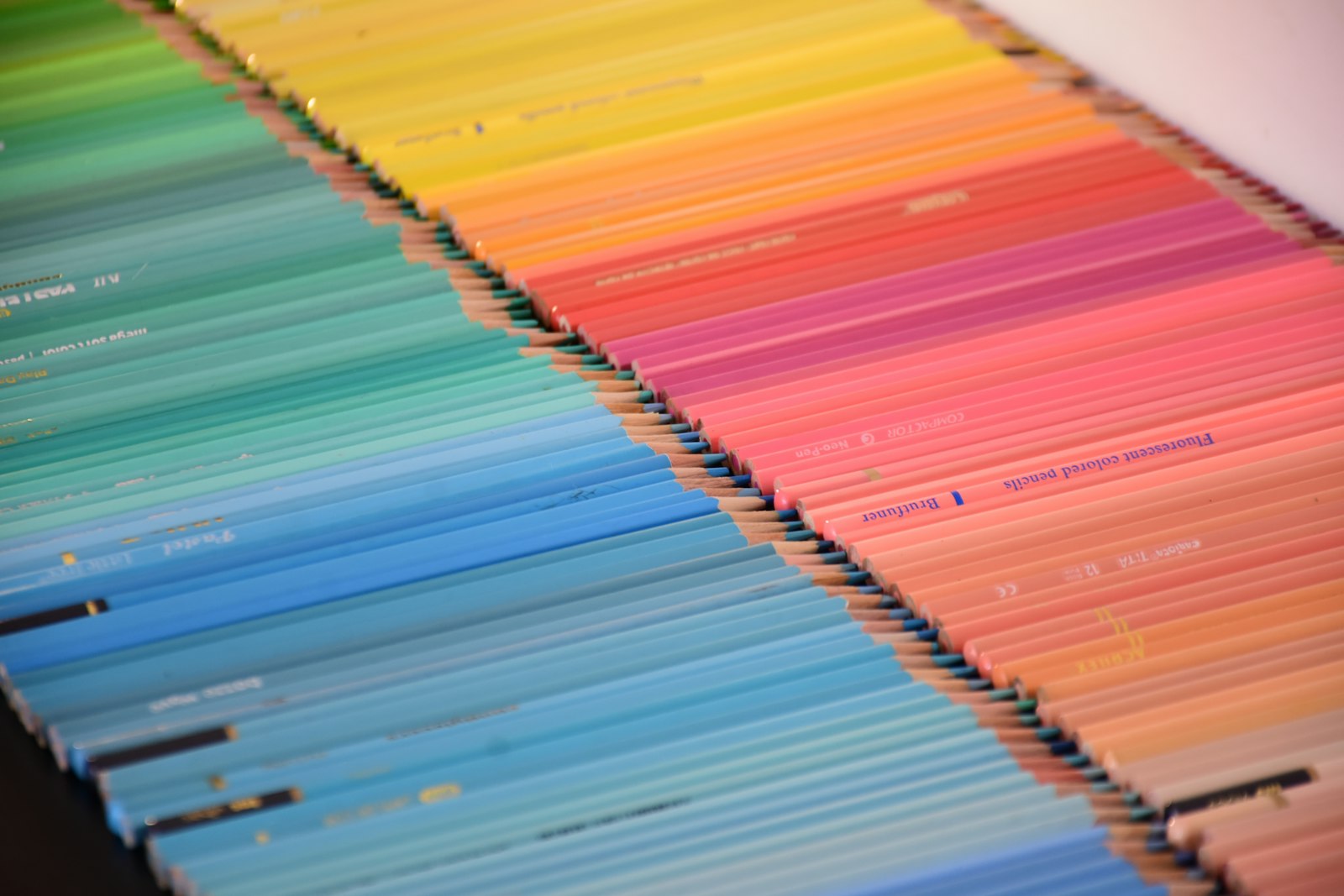
Screens show RGB light; presses lay down CMYK ink or Pantone spot colors. Bright oranges, electric blues and neon greens that glow on a monitor often print dull in CMYK. If a single brand color must be exact, specify a Pantone number and ask whether your supplier can match it with a spot color or a close CMYK build. Keep the main palette to two or three colors, use large areas of a single flat color for impact and remember that kraft board will darken everything.
Rich black for large areas should be a mix (for example 60C 40M 40Y 100K) rather than 100K alone, which can look gray and washed out on a box. Small text, however, should stay 100K only so it registers crisply.
Use no more than two typefaces: one for the brand name or headline and one for body text. Keep body text at 6 pt or larger on paperboard and 7 pt or larger on corrugated, where the flute texture can break thin strokes. Avoid very thin fonts in light colors on dark backgrounds, which fill in on press. Give the logo one hero position (usually the lid or front panel) and repeat it smaller on one side or the inside flap rather than everywhere.
If you do not have a designer, professional design support is available at no extra cost when you order, and our team will build the custom box design on the correct dieline for you.
The print method sets the baseline quality and cost of your custom box design; the finish is what people notice when they touch the box. Here is how the main options compare:
| Option | What it does | Best for | Cost impact |
|---|---|---|---|
| Digital printing | Full-color print direct from file, no plates | Short runs (30-500), many versions | Low setup, higher per unit on large runs |
| Offset (litho) printing | Plate-based, very accurate color | Runs of 1,000+, exact Pantone matching | Setup cost, lowest per unit at volume |
| Flexographic printing | Rubber plates print directly on corrugated | Simple 1-2 color mailers in volume | Low per unit, limited detail |
| Matte or gloss lamination | Thin film protects the print | Cosmetics, anything handled often | Small to moderate |
| Spot UV | Glossy coating on selected areas | Logos and patterns on matte boxes | Moderate |
| Foil stamping | Metallic or colored foil pressed on | Luxury, gifting, perfume | Moderate to high |
| Embossing or debossing | Raised or recessed logo | Rigid and premium cartons | Moderate |
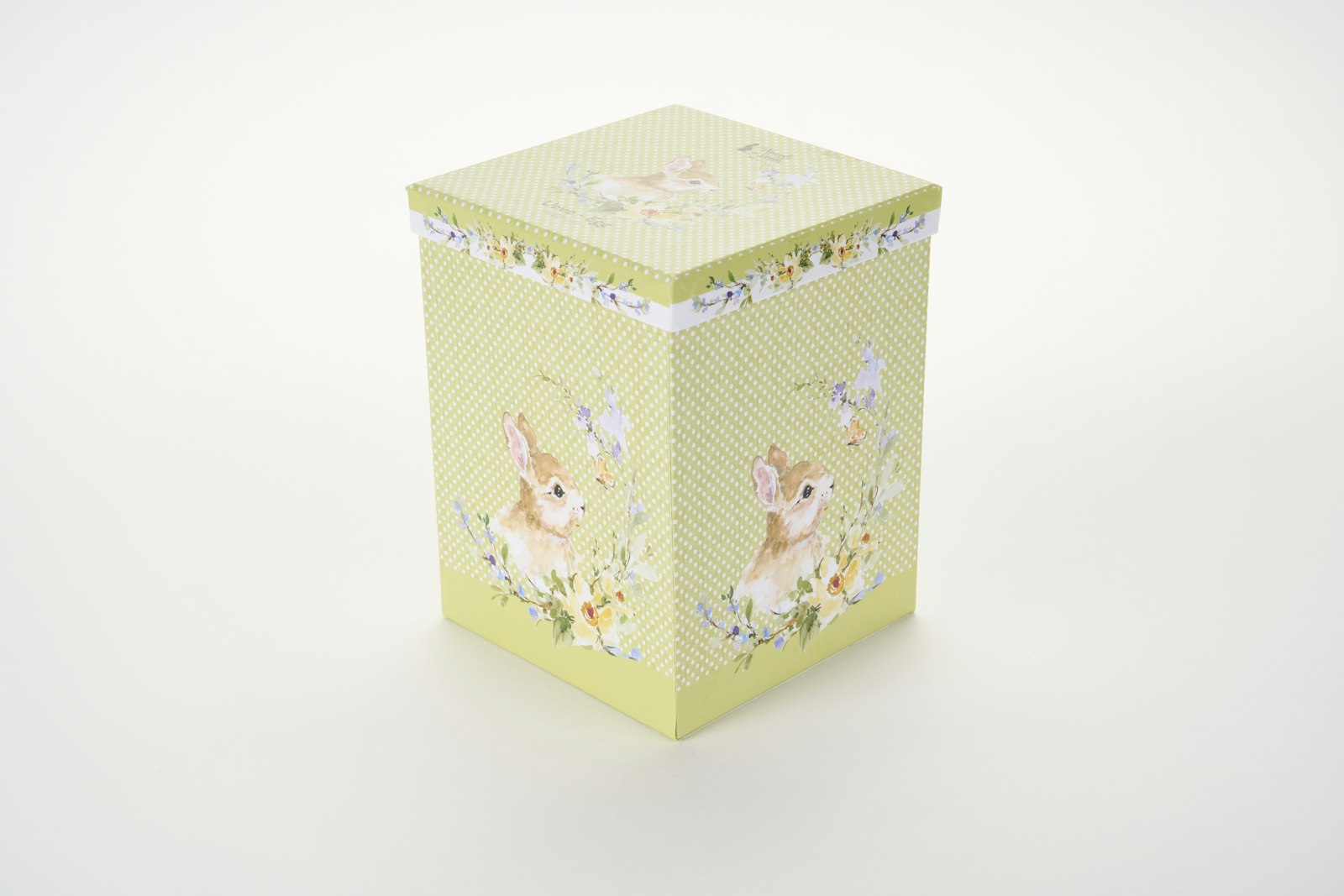
A good rule for small businesses: start with digital printing on white board, add a matte lamination, and use one accent finish such as spot UV or foil only on the logo. That combination looks premium without the cost of a fully foiled or embossed box. See custom printed boxes for a closer look at each method.
The outside of a box is seen for a second; the inside is seen while the customer reaches for the product. Inside printing on mailer, kraft, CBD and product boxes lets you add a pattern, a thank-you message or a short story on the lid, and it costs far less than most people expect because the box goes through the press anyway.
Die-cut paperboard or corrugated inserts keep bottles upright, stop jars from knocking together and present each item in its own slot. They are usually cheaper than foam, recyclable alongside the box and printable to match. Our article on packaging inserts explains which type suits which product.
The right custom box design depends on who buys the product and where they see it. These starting points come from the industries we work with most often:
| Industry | Recommended structure | Design direction |
|---|---|---|
| Skincare and cosmetics | Tuck-end carton, 18-20 pt SBS, optional window | Soft palette, matte lamination, spot UV logo, clear ingredient panel |
| Candles and home fragrance | Rigid two-piece or kraft tuck box with insert | Minimal type, large flat color, foil or deboss on lid |
| Coffee and food | Kraft mailer or food-safe carton | Natural board, one or two inks, origin story inside |
| Jewelry and accessories | Small rigid box with foam or paper insert | Dark base color, foil logo, soft-touch wrap |
| Apparel and e-commerce | E-flute mailer, inside print | Bold exterior logo, pattern or message inside the lid |
| Supplements and CBD (USA) | Tuck-end carton with child-resistant options where required | Clean layout, required label panels, batch and QR space |
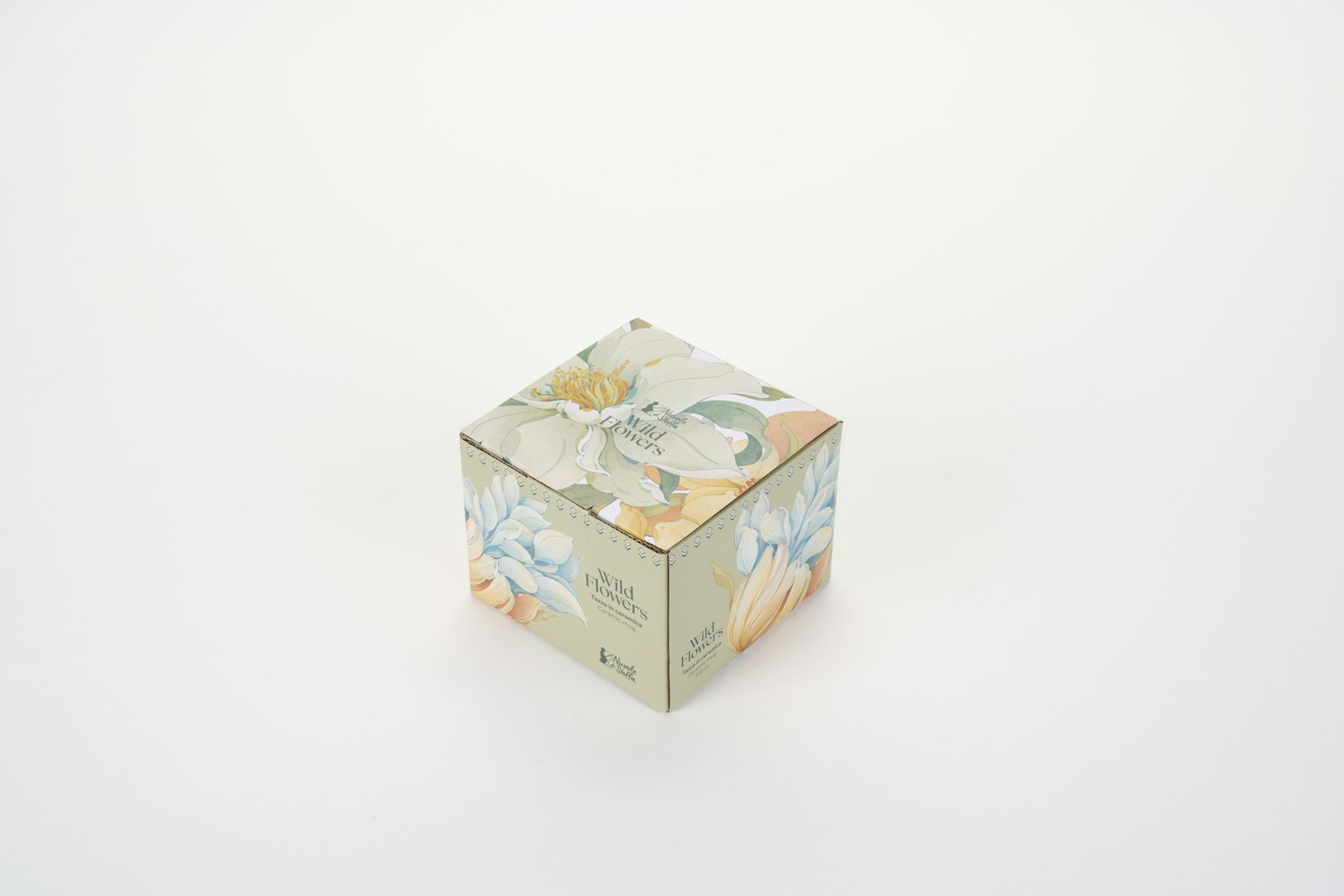
For 30 more concepts, from tear-away postcards to seasonal sleeves, read our round-up of custom design box ideas.
Proofing is where custom box design mistakes get caught cheaply. There are two stages, and skipping either one is the most common reason a first order disappoints.
Your supplier should send a 2D proof (the artwork on the dieline) and a 3D rendering of the folded box. Check both against this list:
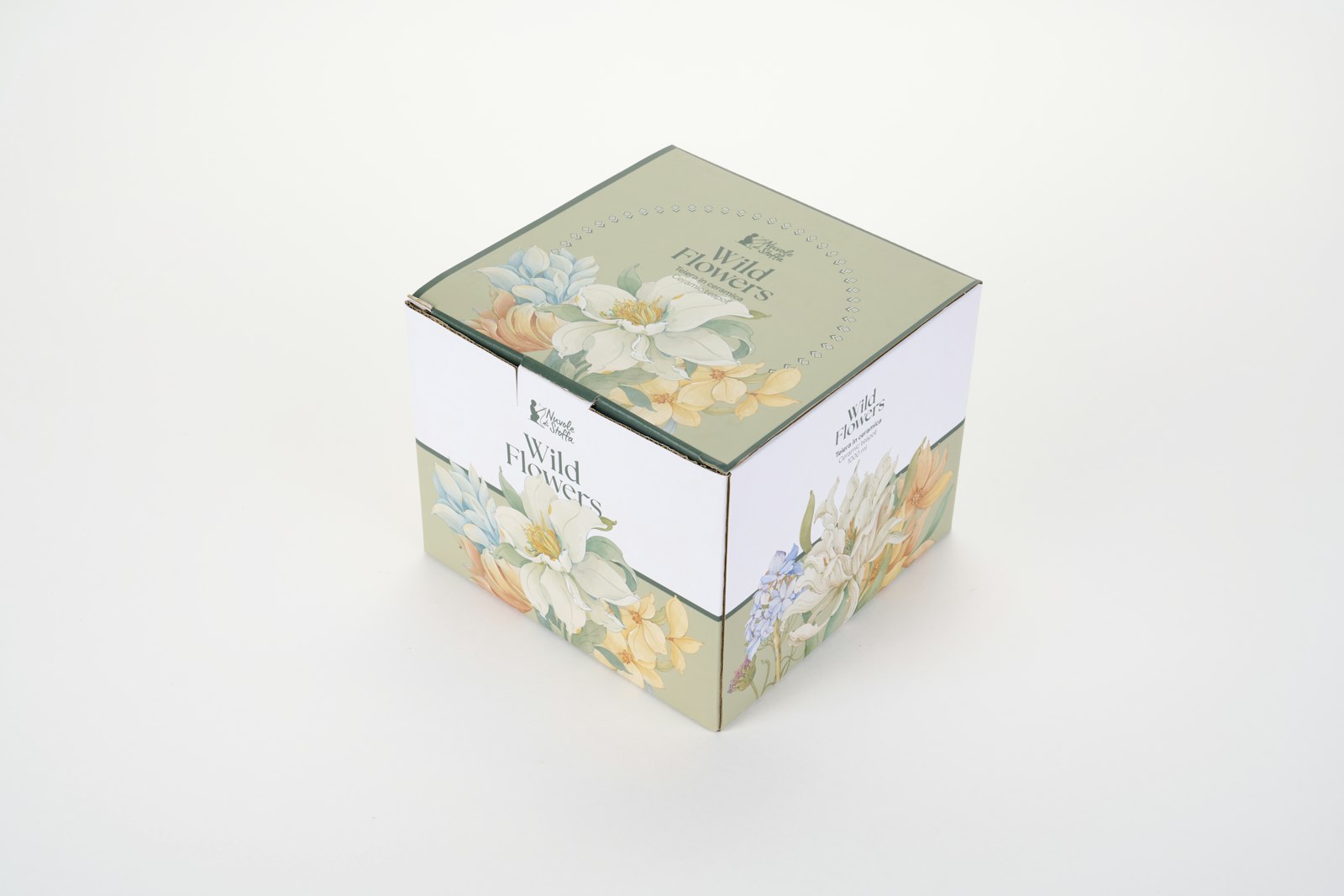
A rendering shows what the box will look like; only a sample proves how it feels, folds and fits. Whenever you change the structure, the board or the insert, get a sample before the full run, fill it with the real product and ship it to yourself. Here is why a box sample is worth the wait.
Buyers often ask how much custom box design adds to the price of a box. At Custom Made Packaging the design support itself is free; what changes the unit price are the physical and print choices you make during the design. The table below shows the levers in rough order of impact.
| Cost factor | Why it matters | How to control it |
|---|---|---|
| Quantity | Setup is spread across the run; per-unit cost falls quickly from 30 to 500 to 1,000 boxes | Order one size for several products; plan reorders |
| Box style and size | Rigid costs several times a folding carton; larger boxes use more board | Size tightly; use rigid only where it earns its keep |
| Board grade | Thicker or double-wall board costs more and weighs more to ship | Choose the lightest board that passes a drop test |
| Print coverage and colors | Full-bleed CMYK plus inside print costs more than one-color outside | Use flat colors and keep inside print to one or two colors |
| Finishes | Foil, spot UV, embossing each add a pass | Pick one accent finish |
| Inserts and windows | Extra die-cuts and materials | Use paperboard inserts; add a window only for retail |
As a reference, our starting prices are $0.90 for mailer boxes, $0.80 for product boxes, $0.50 for kraft boxes, $0.30 for cosmetic boxes and $3.00 for rigid boxes, with a minimum order of just 30 boxes and free shipping across the USA and Canada. For a fuller breakdown by box type, see our custom packaging cost guide.
These custom box design mistakes come up again and again in first orders. Each one is easy to prevent if you know to look for it before you approve the proof.
We design and deliver custom boxes for brands across the United States and Canada, with free shipping to both countries. The design process is the same on both sides of the border, but a few details differ and are worth building into your custom box design from day one.
| Design detail | United States | Canada |
|---|---|---|
| Units on the box | US customary first (oz, fl oz, lb) with metric alongside | Metric (g, mL, kg); inches used for specs are fine |
| Language | English | English and French on most consumer packaging |
| Dimensional weight | L x W x H in inches divided by a carrier divisor (139 is common) | L x W x H in cm divided by a carrier divisor (5,000 or 6,000 common) |
| Consumer product rules | FDA (food, cosmetics), FTC (marketing claims), CPSC (safety) | Health Canada, Competition Bureau (labeling and claims) |
| CBD packaging | Branded boxes allowed; follow state and FDA rules | Regulated as cannabis with plain-packaging rules; branded CBD boxes are not offered |
US brands usually design in inches and pounds and ship with USPS, UPS or FedEx. Because those carriers bill many parcels by dimensional weight, a tight custom box design directly lowers shipping cost. If you sell cosmetics, food or supplements, leave a clear panel for the product identity, net quantity in both US customary and metric units, ingredient list and your business address, and keep marketing claims honest and substantiated. Environmental claims such as “recyclable” should be accurate for the material you chose.
Canadian brands can send us dimensions in centimeters or inches. Plan for bilingual English and French text early, because it roughly doubles the space needed for mandatory information and affects font size and panel layout. Metric net quantity is the norm, and Canada Post and courier volumetric weight is calculated in centimeters and kilograms. If your product is CBD, remember that it is regulated as cannabis in Canada, so branded CBD packaging is not something we can offer there; for US CBD brands, see what kind of CBD boxes are perfect.
At Custom Made Packaging, design support is free with every order, including the dieline, 2D and 3D mockups and revisions. The price you pay is for the boxes themselves, which start at $0.50 for kraft, $0.80 for product boxes, $0.90 for mailers and $3.00 for rigid boxes, depending on size, board, print and finishes.
Adobe Illustrator is the industry standard because it handles vector dielines, CMYK color and print-ready PDF export. Any vector program that can work at 100% scale in CMYK and export a PDF with bleed will do. Avoid raster-only tools for the final file, since logos and text need to stay sharp at any size.
Yes, if you have a vector logo, your brand colors and the supplier’s dieline. Keep the design simple: one or two colors, a clear logo position and plenty of white space. If you would rather not, our team will create the custom box design for you at no extra charge once you request a quote.
A dieline is the flat template of your box showing cut and fold lines. You always need one for printed custom box design work, but you do not need to draw it. Your supplier creates it from your box style and inside dimensions and you place artwork on it.
Our minimum order is 30 boxes for every style, including mailer, product, kraft, cosmetic and rigid boxes. Small runs are printed digitally, which also makes it easy to test two or three versions of a custom box design before committing to a larger order.
Most prepackaged consumer products sold in Canada must carry mandatory information in both English and French. Decorative text and brand names can stay in one language. Plan the bilingual panels early in the design so the text fits comfortably, and confirm the specific requirements for your product category with Health Canada or the Competition Bureau.
USPS, UPS and FedEx apply dimensional weight to many parcels, so a larger box can be billed as if it were heavier than it is. Designing the box to fit the product closely, with shallow depth where possible, often moves a package into a lower billed weight across every order you ship.
Expect a 2D and 3D mockup within 48 hours of your quote request, a day or two for revisions, and then 10-15 business days of production (8-12 with rush service). Including free shipping within the USA or Canada, most first orders arrive in about three to four weeks from the day you approve the design.
Get the custom quote starting from our MOQ of 30 boxes to any order volume. There will be no charges for shipping and we ensure the lowest prices with highest quality possible.
Get a custom quote for custom boxes starting from our MOQ of 30 boxes to any order volume. Shipping is free and we ensure the lowest prices with the highest quality possible.
Request instant quote