Free Delivery: 


Our facilities are now open for visits. Please contact your PIC or email us at contact@custommadepackaging.com to request a visit.
Free Delivery:
Home – Blogs – Custom Product Packaging: 12 Proven Tips for Smart Brands
 – Blogs
by Custom Made Packaging Team – November 20, 2026 · 17 min read
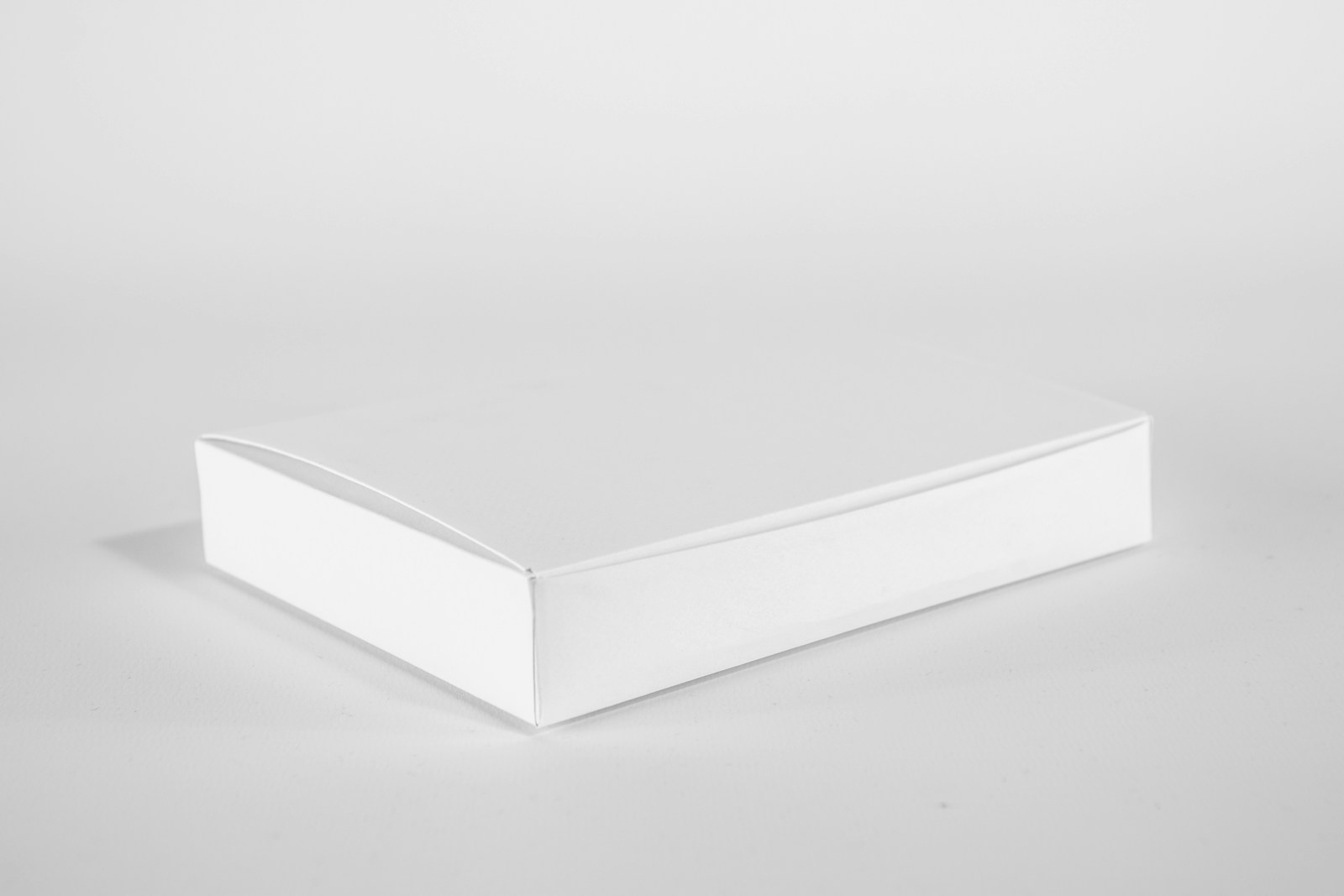
Custom product packaging is the box, carton or sleeve made to fit one specific product, printed with your brand, instead of a stock size pulled off a shelf. For a small or mid-size business in the United States or Canada, it is usually the first physical thing a customer touches, so it does a lot of work: it protects the item, explains what is inside, and makes the price feel justified.
This guide gives you 12 proven tips, organized the way a real order actually happens. You will learn which box styles suit which products, how to pick a board and finish, how to measure and size a box correctly, what drives the price per unit, how labeling differs between the USA and Canada, and how to order custom product packaging from as few as 30 units.
Custom product packaging is any container built around a specific product rather than chosen from a catalog of stock sizes. The dimensions, the structure, the board and the print are all specified by you. A stock box asks your product to adapt; a custom box adapts to your product.
It helps to know the three layers. Primary packaging touches the product directly: the jar, bottle, tube or pouch. Secondary packaging is the branded box around the primary pack, such as a cosmetic box around a serum bottle. Shipping packaging is the corrugated mailer or carton that gets the order to the door. When people search for custom product packaging they usually mean the secondary layer, and that is the focus of this guide.
A retail box is designed to look good on a shelf or in an unboxing video. It is usually paperboard, fully printed, and only strong enough to protect the product inside a larger carton. A shipping box is designed to survive carriers, stacking and weather, so it uses corrugated board and simpler print. Many brands use both: a printed product box inside a custom mailer box. If you only sell online and want one box to do both jobs, a printed mailer with an insert is often the smartest custom product packaging choice.
Large companies have packaging departments. Small brands have a founder with a ruler and a deadline. That is exactly why custom product packaging is worth getting right early: it improves protection, presentation and marketing at the same time, and the cost per unit drops as you grow.
Box style is the first real decision. The table below compares the 12 structures small businesses order most often, with the products they suit and a typical starting price. All of them are available with full-color printing and in your exact dimensions.
| Style | Structure | Best for | Starting price |
|---|---|---|---|
| 1. Straight tuck end carton | Paperboard, tuck flaps on both ends | Cosmetics, supplements, small retail items | From $0.30 (cosmetic) / $0.80 (product) |
| 2. Reverse tuck end carton | Paperboard, flaps tuck in opposite directions | Soap, tea, skincare, pharmacy-style products | From $0.30 |
| 3. Auto-lock bottom box | Paperboard, bottom locks when squared | Heavier jars, candles, bottles | From $0.80 |
| 4. Sleeve and tray | Two-piece, tray slides into a printed sleeve | Chocolates, gift sets, tech accessories | From $0.80 |
| 5. Window box | Carton with a die-cut window, with or without film | Bakery, candles, toys, anything worth showing | From $0.50 (food-safe) |
| 6. Pillow box | Curved paperboard pouch | Small gifts, jewelry, favors, samples | From $0.60 |
| 7. Kraft tuck box | Natural brown kraft paperboard | Eco-focused brands, soap, candles, bath bombs | From $0.50 |
| 8. Rigid lift-off lid box | Thick greyboard wrapped in printed paper | Perfume, jewelry, electronics, luxury gifts | From $3 |
| 9. Rigid magnetic closure box | Rigid box with a hinged, magnet-sealed lid | Premium sets, subscription welcome kits | From $3 |
| 10. Drawer (slide) box | Inner tray slides out of an outer sleeve | Watches, pens, candles, collectibles | From $0.80 (paperboard) / $3 (rigid) |
| 11. Printed mailer box | Corrugated E-flute, self-locking lid | E-commerce orders, subscription boxes | From $0.90 |
| 12. Display (counter) box | Carton with a tear-off or fold-down front | Impulse items at checkout, samples, pre-rolls | From $0.80 |
Most brands start with a tuck end carton or a kraft box because they print well, ship flat and are the cheapest per unit. Move to a rigid box when the product price justifies it, typically items selling above about $40 where the box becomes part of the gift. For a deeper comparison of these structures, see our guide to the types of custom packaging.

The board you choose decides how the box feels, how colors print and how much weight it can hold. Board is specified by thickness in points (pt), where 1 pt equals 0.001 inch (0.0254 mm). Thicker board costs more but feels more substantial and resists crushing.
| Material | Typical thickness | Print result | Use it for |
|---|---|---|---|
| SBS (white paperboard, C1S or C2S) | 14-24 pt (0.36-0.61 mm) | Bright, accurate color; best for photos | Cosmetics, retail cartons, sleeves |
| Natural kraft paperboard | 16-24 pt (0.41-0.61 mm) | Muted, earthy; one or two colors look best | Soap, candles, eco brands |
| E-flute corrugated | About 1/16 in (1.5 mm) | Good full-color print with a slight texture | Mailer boxes, heavier product boxes |
| B-flute corrugated | About 1/8 in (3 mm) | Acceptable print, strongest crush resistance | Large or heavy shipping boxes |
| Rigid greyboard (chipboard) | 1.5-3 mm, wrapped in printed paper | Printed wrap gives premium finish | Luxury gift and presentation boxes |
For most custom product packaging under 1 lb (0.45 kg), 18 pt SBS is a safe default. Go to 24 pt or E-flute for glass jars, candles and anything over 1 lb. If sustainability is part of your story, kraft boxes are recyclable and need less ink to look finished. Our custom packaging materials guide goes deeper on each stock.
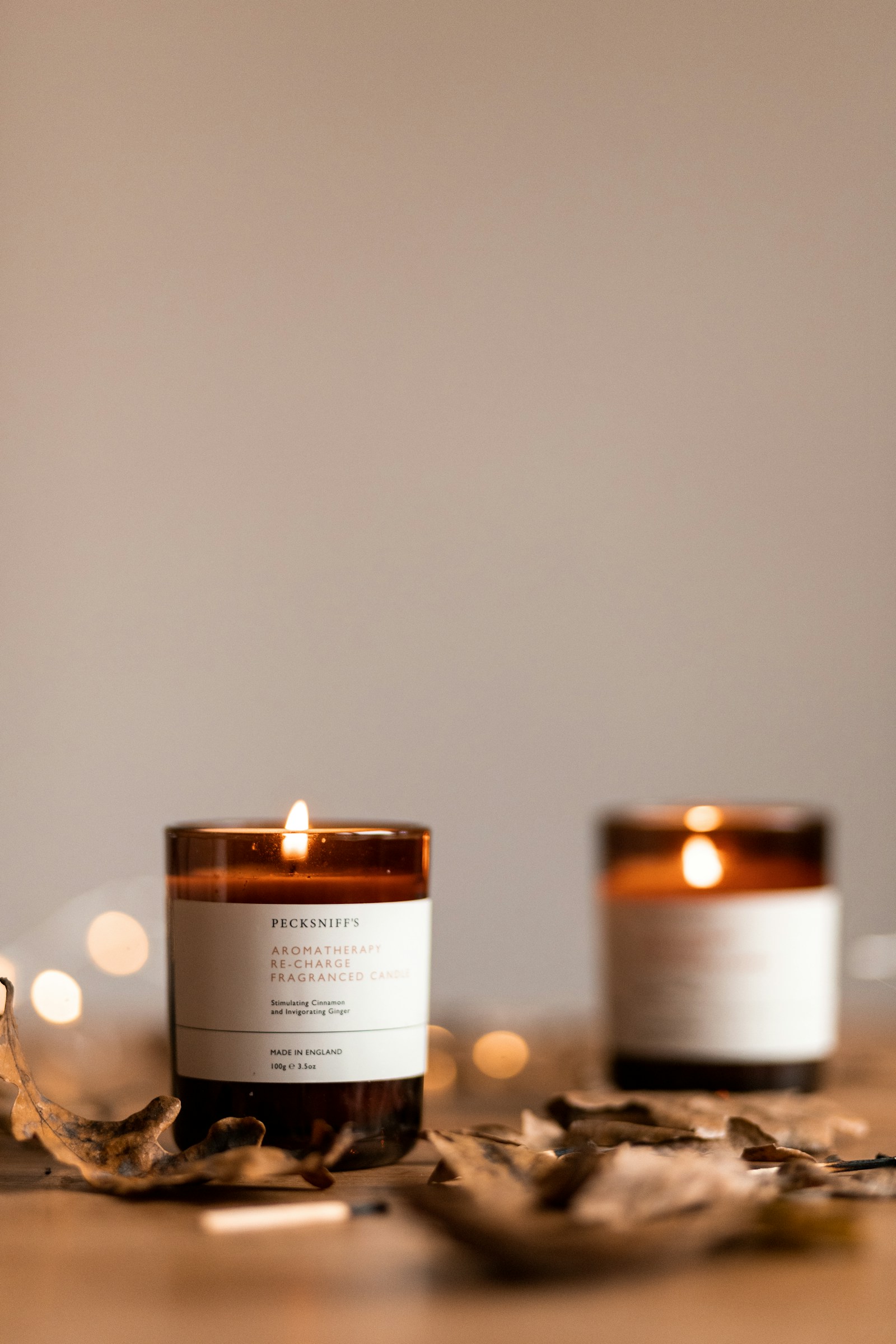
Sizing mistakes are the most common reason a first order disappoints. The good news is that the process is simple if you follow it in order. Use this checklist before you request a quote:
| Product | Typical inside size (inches) | Typical inside size (cm) | Suggested style |
|---|---|---|---|
| Bar of soap (4 oz / 113 g) | 3.5 × 2.5 × 1 | 8.9 × 6.4 × 2.5 | Reverse tuck or kraft sleeve |
| 30 ml serum bottle | 1.5 × 1.5 × 4 | 3.8 × 3.8 × 10.2 | Straight tuck end with insert |
| 8 oz candle jar | 3.25 × 3.25 × 4 | 8.3 × 8.3 × 10.2 | Auto-lock bottom or rigid |
| 60-count supplement bottle | 2.25 × 2.25 × 4.25 | 5.7 × 5.7 × 10.8 | Straight tuck end |
| Ring or pair of earrings | 2.5 × 2.5 × 1.5 | 6.4 × 6.4 × 3.8 | Rigid lift-off lid with insert |
Treat these as starting points. The whole point of custom product packaging is that the final size is yours, so send your own measurements and we will build the dieline around them. If you want to understand how a flat dieline becomes a box, our dieline and artwork guide walks through it.
Good custom product packaging design is mostly restraint. The box has to communicate one idea from across a room and then reward a closer look. These are the choices that make the biggest difference.
Short runs are printed digitally, with no plate cost and good results on photos and gradients; larger runs move to offset for a lower unit price. Inside printing is available on mailer, kraft, CBD and product boxes, a low-cost way to add a pattern or message customers see only when they open the lid.
Pro tip: Pick one finish and let it do the work. A matte laminated carton with a single spot UV logo almost always looks more expensive than a box that uses foil, embossing and gloss at the same time, and it costs less. If you are unsure, ask for the 3D mockup with and without the finish and compare them side by side.
The right box depends on what you sell. Here is how custom product packaging usually breaks down for the industries that order from us most, with the structure, board and finish that tend to work.
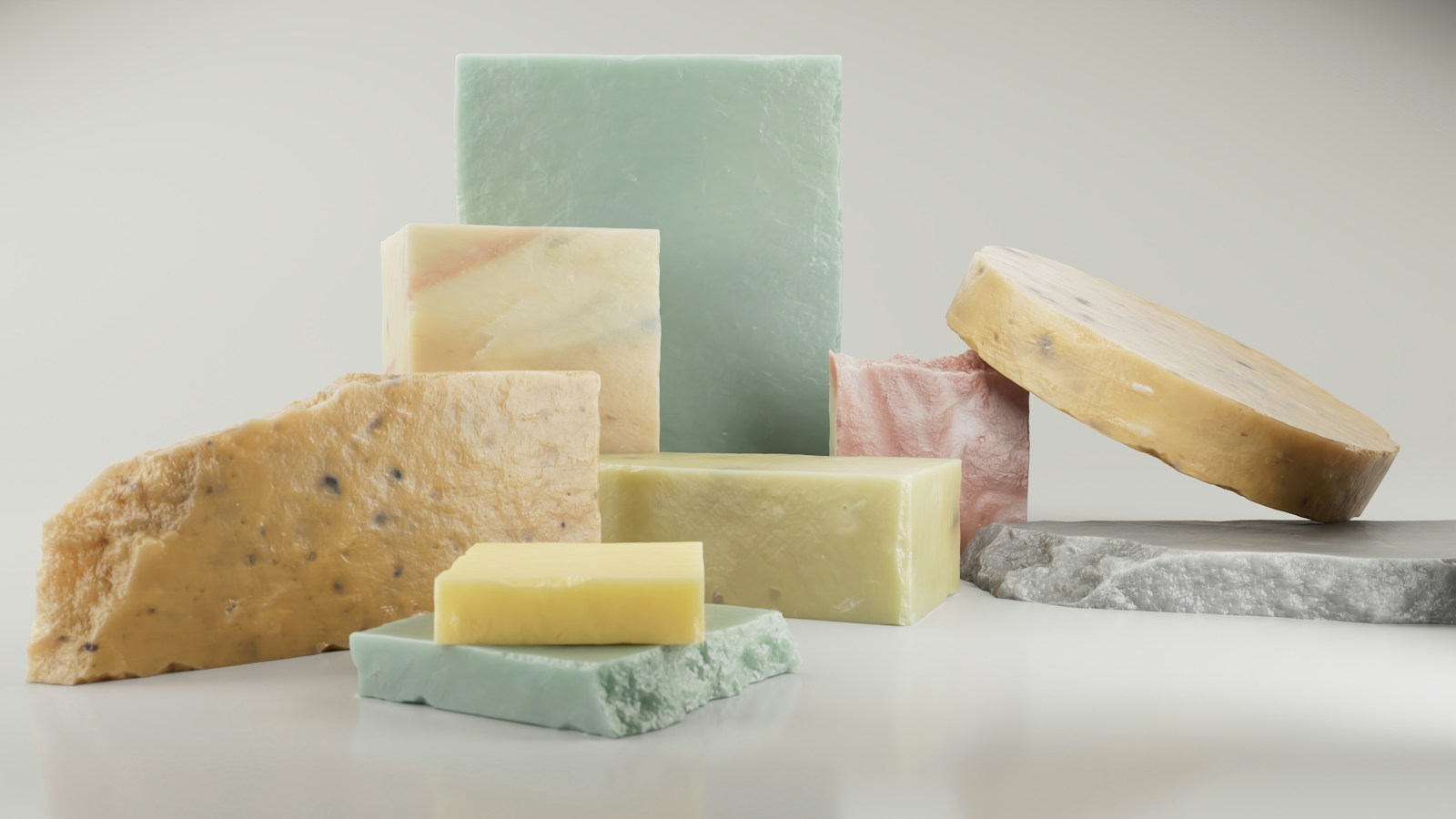
Soap needs to breathe and cure, so many makers choose a kraft box with a window or a sleeve rather than a sealed carton. Bath bombs are fragile and absorb moisture, so a fitted bath bomb box on 18 to 24 pt board with an insert keeps them intact. Keep print to one or two colors on kraft for a natural look.
Serums, creams and lipsticks almost always ship in a straight tuck end carton on white SBS, often with a tray insert to hold the bottle upright. Beauty buyers respond to texture, so soft-touch lamination and foil are common. Leave room for the ingredient list and net quantity on a side panel.
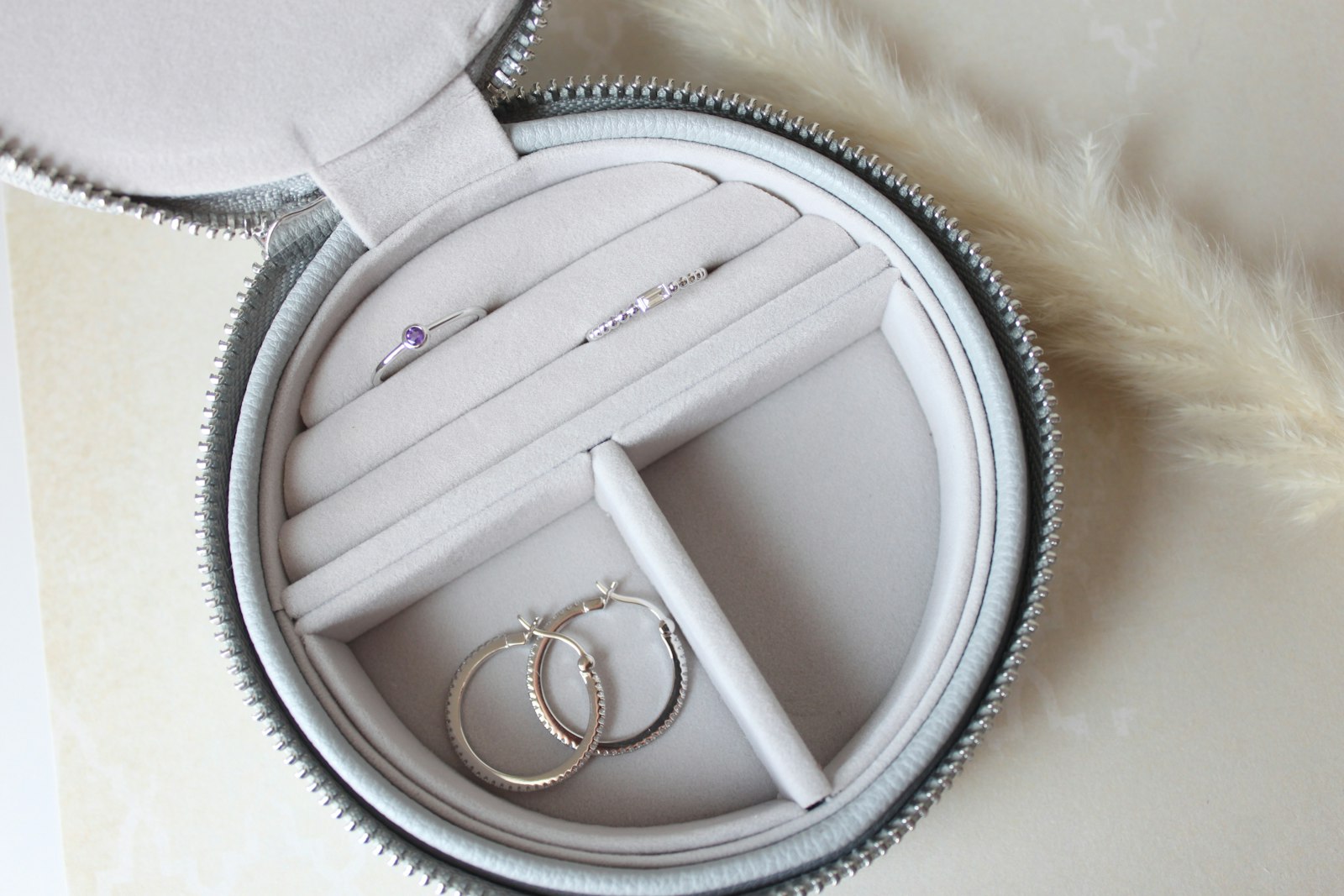
Small, high-value items belong in rigid boxes with a foam or velvet-lined insert. The box is part of the gift, so a lift-off lid or magnetic closure in a solid brand color with a foil logo is the classic approach. Keep the box only slightly larger than the insert so the piece sits centered.
Bottles and tincture droppers go in straight tuck cartons with a locking insert. In the United States, branded CBD boxes with inside printing are common; in Canada, CBD is regulated as cannabis with strict plain-packaging rules, so branded CBD packaging is not something to plan for the Canadian market. Our guide on which CBD boxes work best covers the US side.
Custom product packaging has to carry certain information by law, and the details depend on the product category and the country. The specifics change, so confirm with the regulator for your category, but these general elements appear on most consumer product boxes:
Plan the panel layout with this text in mind from the start. It is far easier to design a side panel for a bilingual ingredient list than to squeeze it in after the artwork is finished. For cosmetics in the US, the FDA cosmetics section is the primary reference, and in Canada Health Canada covers cosmetics, food and consumer products.
The question every brand asks is how much custom product packaging costs. The honest answer is that it depends on six variables, and once you understand them you can predict most quotes before you receive them.
| Factor | Effect on unit price | How to control it |
|---|---|---|
| Quantity | Largest effect; unit price falls steeply from 30 to 500 and keeps falling to 5,000+ | Order the largest run you can store and sell within a few months |
| Box size | More board per box means a higher price; large boxes also ship in fewer per carton | Size to the product, trim empty depth |
| Board type and thickness | Rigid and thick corrugated cost more than 18 pt paperboard | Use the lightest board that protects the product |
| Print coverage and colors | Full-bleed solid colors and inside printing add ink and sometimes a pass | Print one side, keep large solids to one panel |
| Finishes | Foil, embossing and spot UV each add tooling and a pass | Choose one signature finish |
| Inserts and windows | Each adds a separate die or material | Use a paperboard insert cut from the same sheet where possible |
As a reference, Custom Made Packaging’s starting prices are $0.80 per product box, $0.30 per cosmetic box, $0.50 per kraft box, $0.60 per pillow box, $0.90 per candle or mailer box, $0.50 per bath bomb box and $3 per rigid box. Those are entry points for simple specs at volume; a small run with foil and an insert will sit higher. Shipping to the USA and Canada is free, which matters because freight is often a hidden line item elsewhere. Our custom packaging cost guide breaks the numbers down by box type.
We supply custom product packaging to brands across both countries with free shipping, and the practical differences are smaller than most people expect. The two areas that genuinely change are labeling language and units, and how carriers calculate size-based shipping charges once the product box goes into a shipper.
US brands usually work in inches and ounces, and net quantity on consumer packaging is commonly shown in both US customary and metric units. Product category rules come from agencies such as the FDA for cosmetics, food and supplements and the CPSC for consumer product safety, with the FTC overseeing fair packaging and advertising claims. Carriers including USPS, UPS and FedEx apply dimensional weight to many parcels, so a compact product box inside a compact mailer keeps e-commerce shipping affordable from coast to coast.
Canadian brands and carriers work in centimeters and grams, and mandatory label information generally appears in both English and French with metric net quantity. Health Canada and the Competition Bureau are the main federal references for consumer product labeling. Canadian carriers quote volumetric weight in metric, so the same advice applies: size the product box and the shipper tightly. One important exception is CBD, which is treated as cannabis in Canada and subject to plain-packaging rules, so branded CBD boxes are a US-market product only.
| United States | Canada | |
|---|---|---|
| Units on the box | Inches, ounces, pounds (metric usually shown too) | Centimeters, grams, milliliters |
| Label language | English | English and French for mandatory text |
| Main regulators | FDA, CPSC, FTC (by category) | Health Canada, Competition Bureau, CFIA for food |
| Branded CBD boxes | Common | Not available; plain packaging rules apply |
| Size-based shipping charges | Dimensional weight (inches, divisor commonly 139) | Volumetric weight (cm, divisor commonly 5,000 or 6,000) |
| Shipping from Custom Made Packaging | Free | Free |
Ordering custom product packaging is a four-step process, and most of the work is on our side. Here is what to expect from first measurement to delivered boxes.
If you want to compare a printed product box with a rigid box before deciding, ask for both in the mockup. If you have questions at any stage, Custom Made Packaging offers free design support from the first email, with more than 100 box styles to choose from.
Simple paperboard product boxes start around $0.80 per unit, cosmetic boxes from $0.30, kraft boxes from $0.50 and rigid boxes from $3. Quantity, size, board and finishes move the price most. Request a quote at two or three quantities to see your exact numbers.
Orders start from just 30 boxes. That is low enough to test a design or launch a small product line, and larger quantities reduce the unit price.
You receive a 2D and 3D mockup within 48 hours of sending your details. After approval, standard production is 10 to 15 business days, or 8 to 12 business days with rush service, and shipping to the USA and Canada is free.
For most retail items under 1 lb, 18 pt white SBS paperboard prints best and costs least. Choose kraft for a natural look, E-flute corrugated for heavier jars and shipping, and rigid greyboard for luxury products where the box is part of the gift.
Generally yes. Mandatory label information on consumer products sold in Canada is expected in both English and French, with metric net quantity. Plan a side or back panel for the second language from the start, and confirm the details for your category with Health Canada.
Yes. Free shipping is included on every order to the United States and Canada, so the quoted unit price is the price you pay for delivered boxes.
Choose a folding carton when the product sells for under about $40 or ships inside another box; it is lighter, cheaper and ships flat. Choose a rigid box when the box is part of the gift and the margin supports a $3 or higher packaging cost. Our rigid box vs folding carton comparison goes into more detail.
Get the custom quote starting from our MOQ of 30 boxes to any order volume. There will be no charges for shipping and we ensure the lowest prices with highest quality possible.
Get a custom quote for custom boxes starting from our MOQ of 30 boxes to any order volume. Shipping is free and we ensure the lowest prices with the highest quality possible.
Request instant quote