Free Delivery: 


Our facilities are now open for visits. Please contact your PIC or email us at contact@custommadepackaging.com to request a visit.
Free Delivery:
Home – Blogs – Custom Packaging for Ecommerce: Best 2026 Expert Guide
 – Blogs
by Custom Made Packaging Team – November 8, 2026 · 16 min read
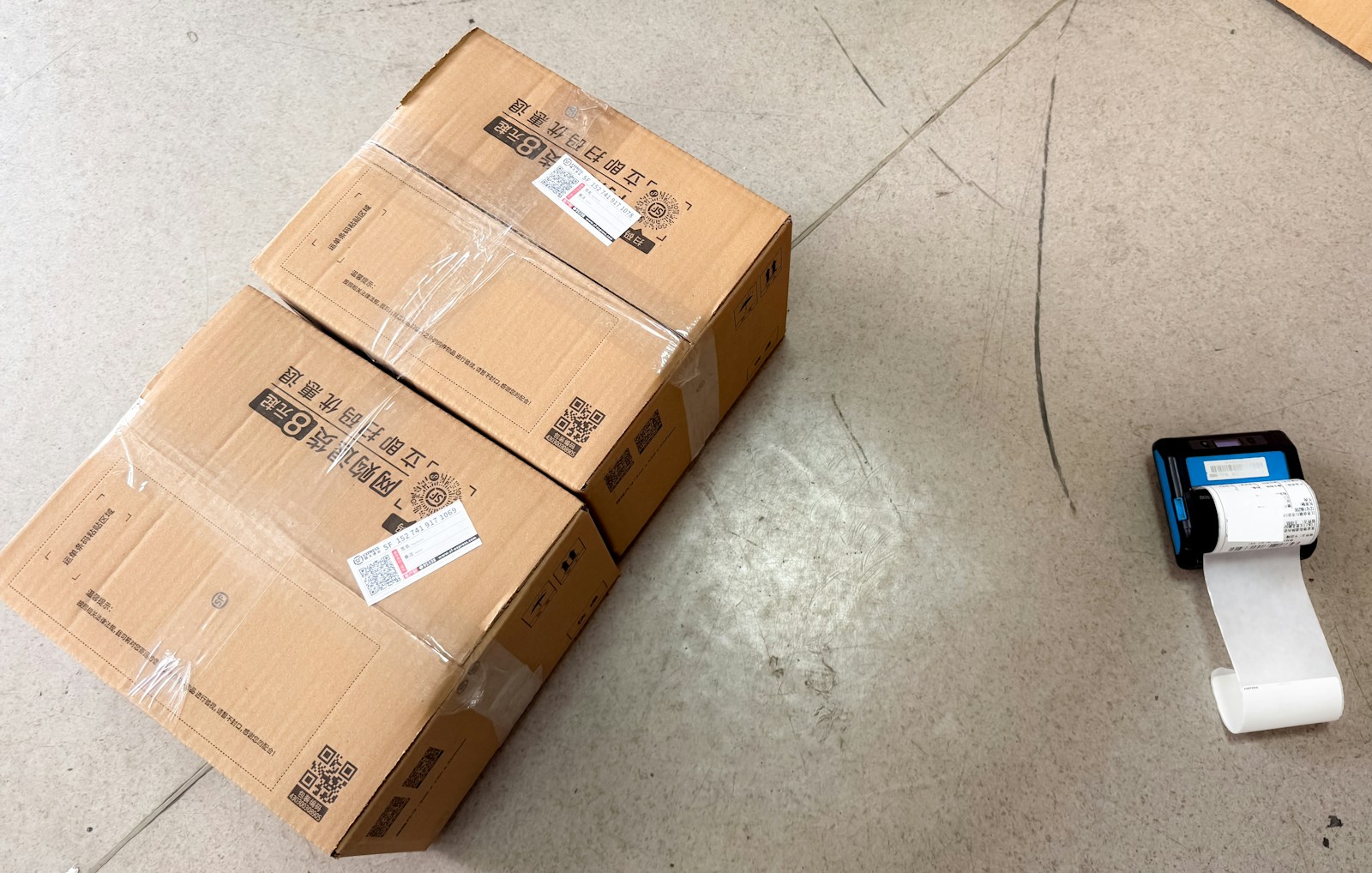
Custom packaging for ecommerce is shipping packaging built around your own products and brand, usually a printed mailer box, a branded poly mailer or a fitted product box, instead of a generic stock carton. Done well, it protects every order, lowers the dimensional weight you pay carriers for, and turns a plain delivery into a branded moment that customers remember.
This guide is written for small and mid-size online stores in the United States and Canada. You will learn which box styles suit which products, how to choose board and finishes, how to size boxes to control shipping costs, what drives price, how the US and Canadian markets differ, and a step-by-step checklist you can follow to launch or upgrade your custom packaging for ecommerce without wasting money on the wrong boxes.
Whether you ship ten orders a week from a spare room or a few thousand a month from a warehouse, the same principles apply: fit the product, protect it, brand it sensibly and keep the numbers under control.
In simple terms, custom packaging for ecommerce is any shipping or product packaging made to your specifications: your dimensions, your board, your print and your finish. It is designed to travel through a carrier network and arrive at a customer’s door, which is a very different job from a retail box that only has to sit on a shelf.
Retail packaging is built to attract attention among competitors in a store. Ecommerce packaging has to survive sorting machines, conveyor belts, truck vibration and doorstep weather, and then deliver the brand experience that a store would normally provide. That is why custom packaging for ecommerce usually focuses on three things at once:
A stock brown carton from an office supply store can do the first job reasonably well, but it rarely fits your products closely and does nothing for your brand. Custom boxes close that gap.
Almost any online seller can benefit from custom packaging for ecommerce, but the return is highest for direct-to-consumer brands, subscription boxes, beauty and skincare, apparel, candles, supplements, coffee and specialty food, jewelry and gift shops. In these categories the package is often the first physical contact a customer has with the brand, so it shapes how the product itself is perceived.
Custom packaging for ecommerce is a cost on every order, so it is fair to ask what you get back. The benefits below are practical, not just cosmetic, and most of them compound as your order volume grows.
Carriers price many parcels by the space they take up, not only by weight. A box that is two inches too deep can push a light order into a higher billed weight. Fitted custom packaging for ecommerce removes that wasted space, which is often the fastest way to recover the cost of moving away from stock cartons.
When a product cannot move inside the box, it is far less likely to break. Every damaged order costs you the product, the outbound shipping, the replacement shipping and some customer goodwill. A snug box with the right insert reduces all of that.
Online shoppers never walk into your store, so the box is your storefront. A printed lid, a short message inside and neat presentation make the purchase feel considered. Customers are more likely to share a good-looking unboxing and to remember where they bought from, which supports repeat purchases without extra ad spend.
Standardizing on two or three custom sizes makes packing predictable. Staff know which box each product goes in, fill material use drops and the packing table stays organized. That consistency matters more as you hire help or move to a fulfillment partner.

There is no single best box for custom packaging for ecommerce. The right format depends on product weight, fragility, value and how premium you want the opening to feel. These are the formats that cover the vast majority of online orders:
| Packaging type | Best for | Strengths | Starting price |
|---|---|---|---|
| Mailer boxes | Beauty, apparel, subscription kits, gifts | Self-locking tuck flaps, strong, printable inside and out | From $0.90 |
| Kraft boxes | Natural, eco-minded and artisan brands | Recyclable kraft look, affordable, sturdy | From $0.50 |
| Poly mailers | Clothing, soft goods, non-fragile items | Very light, low dimensional weight, water resistant | From $0.30 |
| Product boxes | Retail-ready items shipped inside a mailer | Fitted presentation, shelf-ready if you also sell wholesale | From $0.80 |
| Rigid boxes | Luxury goods, PR kits, premium gift sets | Thick board, premium feel, keepsake value | From $3 |
For most brands, custom mailer boxes are the backbone of custom packaging for ecommerce. They fold flat for storage, assemble in seconds without tape on the lid, and offer a large print area. Inside printing turns the moment the customer opens the lid into part of your branding.
If you sell T-shirts, leggings or accessories that cannot be crushed, branded poly mailer bags are hard to beat on shipping cost. Our comparison of mailer boxes vs poly mailers explains exactly when each one makes more sense.
Fragile or premium items are sometimes packed in a fitted product box that then goes inside a plain or lightly printed shipper. This two-layer approach adds cost, but it also lets the same product box work for wholesale and retail customers.
The material you choose decides how strong your box is, how well it prints and how it feels in the hand. Most custom packaging for ecommerce uses corrugated board, which has a fluted middle layer between two flat liners.
| Material | Typical thickness | Best use | Print quality |
|---|---|---|---|
| E-flute corrugated | About 1/16 in (1.5 mm) | Small and medium mailers up to a few pounds | Smooth, excellent for detailed graphics |
| B-flute corrugated | About 1/8 in (3 mm) | Larger, heavier or fragile shipments | Good, slightly less crisp |
| Kraft corrugated | E- or B-flute | Natural look, eco-focused brands | Best with bold one- or two-color designs |
| Paperboard (SBS or kraft) | About 0.018–0.024 in | Product boxes shipped inside a mailer | Very sharp, ideal for fine detail |
| Rigid chipboard | About 1/16–1/8 in | Luxury and gift presentation | Wrapped paper allows premium finishes |
White board makes colors look bright and true, while kraft board gives a warm, natural tone that suits minimalist branding. If you want the natural look across your whole range, custom kraft boxes are one of the most economical ways to start.
Custom packaging for ecommerce gets handled roughly, so durable finishes are worth more than delicate ones. Matte or gloss lamination and aqueous coatings resist scuffs and moisture. Foil stamping and embossing look striking but are better used on product boxes or rigid boxes than on the outer shipper, where they may get scratched in transit.
Size is where good custom packaging for ecommerce quietly saves the most money. Carriers such as UPS and FedEx calculate dimensional weight by multiplying the outside length, width and height in inches and dividing by a divisor, commonly 139 for US domestic daily rates. If that number is higher than the real weight, you pay for the dimensional weight, rounded up to the next pound.
| Outside box size (in) | Dimensional weight (÷139) | Billed weight for a 1 lb (0.45 kg) order |
|---|---|---|
| 14 × 10 × 6 | about 6.0 lb | 7 lb |
| 12 × 10 × 6 | about 5.2 lb | 6 lb |
| 12 × 9 × 4 | about 3.1 lb | 4 lb |
| 10 × 8 × 3 | about 1.7 lb | 2 lb |
The example shows why oversized stock boxes are expensive: the same one-pound product can be billed at two pounds or seven pounds depending only on the box. Always confirm current divisors with your carrier, because rates and rules change.
For a deeper walkthrough with common size bands, read our mailer box sizes guide.
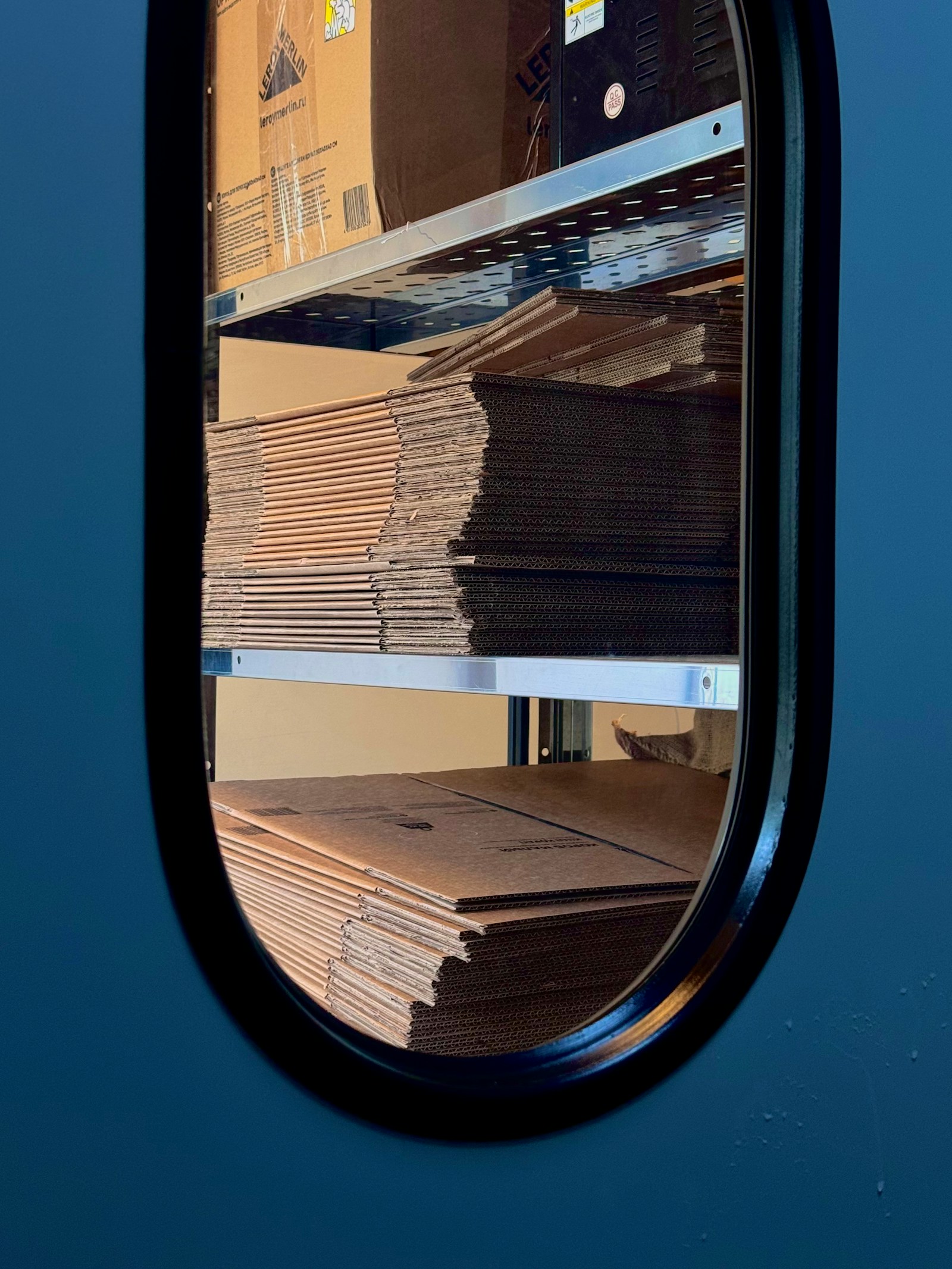
A beautiful box that arrives crushed is worse than a plain box that arrives intact, so the best custom packaging for ecommerce balances looks and strength. Protection starts with fit and board strength, then adds inserts or fill only where the product needs it.
Loose fill such as crinkle paper or air pillows is flexible and cheap, which makes it useful when order contents change. Fitted inserts made from paperboard, corrugated or molded pulp hold each item in a fixed position. They cost more per unit but pack faster, look tidier and protect better for glass, bottles and multi-piece kits.
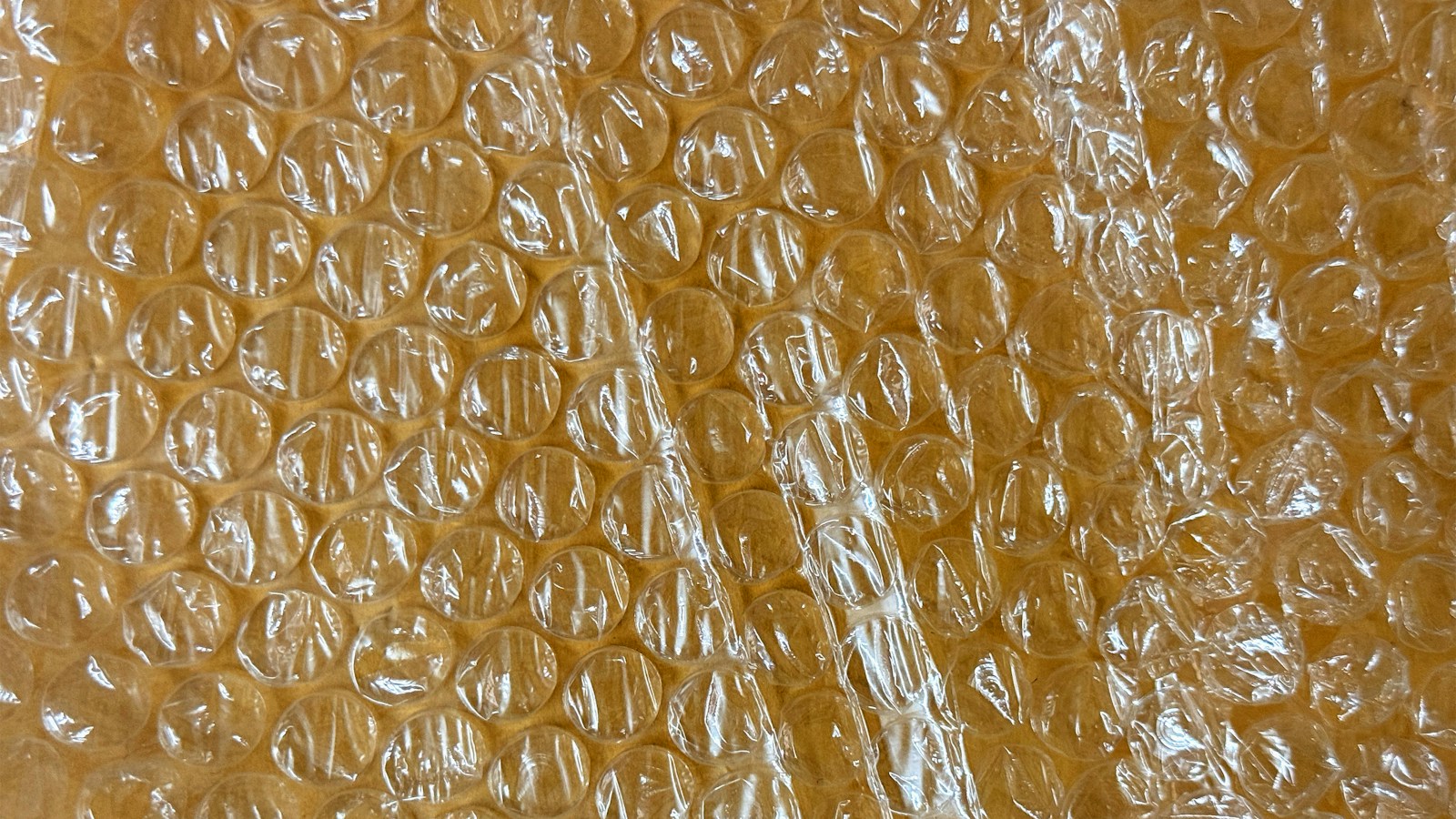
Test your custom packaging for ecommerce by packing a few orders and shaking, dropping and stacking them. A short in-house test catches most problems before customers ever see them.
The unboxing is the part of custom packaging for ecommerce that customers actually notice. You do not need expensive effects to make it feel special; you need a clear plan for what the customer sees, in what order.
On the outside of custom packaging for ecommerce, keep things clean and confident: often just a logo, a color and perhaps your website. A discreet exterior can also reduce porch theft for high-value items. Save busy patterns and messages for the inside.
Inside printing is one of the best-value upgrades available. A short welcome line, a pattern, a care instruction or a social handle printed under the lid costs far less than a separate insert card. Add tissue, a sticker seal or a thank-you note, and the box feels gift-like.
Branded packing tape turns even a plain shipper into something recognizable and helps show if a box has been opened. Custom stickers and labels add personality at a low price and are easy to update for seasonal campaigns.
Pro tip: Design one box that works for most of your catalog, then personalize with inside printing, a seasonal sticker or a different insert card. You get a consistent brand, simpler inventory and the freedom to change campaigns without reprinting every box.
Many shoppers in the US and Canada now look for packaging they can recycle easily. Sustainable custom packaging for ecommerce is less about one special material and more about a series of sensible decisions.
Recycling rules vary by city, so point customers to local guidance. The US EPA recycling resources are a good general starting point for American buyers. If you make environmental claims on the box, keep them specific and accurate.
The price of custom packaging for ecommerce depends on a handful of variables. Understanding them helps you decide where to spend and where to save.
| Factor | Effect on price | How to control it |
|---|---|---|
| Quantity | Higher volumes lower the unit price | Order your core sizes in larger runs once the design is proven |
| Box size | Larger boxes use more board | Right-size to your products |
| Board type | B-flute and rigid cost more than E-flute | Use the lightest board that protects reliably |
| Print coverage | Full-color, full-coverage and inside print add cost | Use bold, simple designs and print inside only where it counts |
| Finishes | Foil, embossing and spot UV add steps | Save premium effects for product or rigid boxes |
| Inserts | Custom inserts add material and die-cutting | Use them only for fragile or premium products |
As a guide, starting prices are about $0.90 for mailer boxes, $0.50 for kraft boxes, $0.30 for poly mailers, $0.80 for product boxes and $3 for rigid boxes, with exact quotes based on size, quantity and print. For a full breakdown, see our custom packaging cost guide.
When budgeting for custom packaging for ecommerce, compare total cost per delivered order, not just the box price. A slightly more expensive custom mailer that cuts billed weight by a pound and prevents breakages can be cheaper overall than a bargain stock box. Track damage rates and shipping invoices before and after switching to see the real effect.
We make custom packaging for ecommerce brands across the United States and Canada, with free shipping to both countries. Many stores sell across the border, so it helps to understand where the two markets differ.
| Topic | United States | Canada |
|---|---|---|
| Units | Inches and pounds are standard; net quantity typically shown in US customary and metric units | Metric (centimeters, kilograms) is standard for carriers and labeling |
| Main carriers | USPS, UPS, FedEx | Canada Post, plus UPS, FedEx and regional couriers |
| Dimensional pricing | Common divisor of 139 for UPS and FedEx domestic daily rates; USPS applies dimensional pricing to larger parcels | Volumetric weight in cm and kg with carrier-specific divisors |
| Labeling language | English | English and French for most consumer product labeling |
| Key regulators (general) | FTC for many non-food labels, FDA for food and cosmetics, CPSC for product safety | Health Canada, the Competition Bureau and the CFIA for food |
US sellers usually work in inches and pounds, and most orders move through USPS, UPS or FedEx. Because dimensional weight applies so widely, compact boxes have a direct effect on margin. The USPS Business portal explains package sizes and shipping services. For regulated products such as cosmetics, food or supplements, keep the required information on the primary product label or product box rather than relying on the shipping box alone.
Canadian sellers typically quote dimensions in centimeters and weight in kilograms, and Canada Post is the most common carrier for small parcels alongside private couriers. Consumer product labels generally need English and French, so plan space on any printed product box for both languages. Note that CBD in Canada is regulated as cannabis with strict plain-packaging rules, so branded CBD boxes are not an option for the Canadian market.
Wherever your customers are, send us dimensions in inches or centimeters and we will produce your custom packaging for ecommerce to match.
Use this checklist to plan or upgrade your custom packaging for ecommerce in a logical order. It prevents the most expensive mistake, which is designing artwork before the structure is settled.
If you do not have a designer, our team can help, or you can request a quote and ask for free design support from the start.
Most packaging problems are predictable. Avoid these and your first run of custom packaging for ecommerce is far more likely to be right first time.
Beauty and skincare brands often pair a printed mailer with fitted inserts for bottles. Apparel stores lean on poly mailers or shallow kraft mailers. Candle makers need B-flute board and cushioning for glass. Subscription boxes benefit most from inside printing, because the reveal is the whole point of the product.
With more than 100 box styles and inside printing available for mailer, kraft, CBD and product boxes, you can build a complete range of custom packaging for ecommerce from a single supplier.
For most online stores, a printed corrugated mailer box is the best all-round choice because it protects well, assembles quickly and offers a large branding area. Soft, non-fragile products often ship more cheaply in poly mailers. Many brands use both.
Prices depend on size, board, print and quantity. As a starting point, custom mailer boxes start from about $0.90 each, kraft boxes from $0.50 and poly mailers from $0.30. Larger runs bring the unit price down.
Our minimum order is 30 boxes, which lets small stores test a design before committing to larger quantities. It is also useful for limited editions and seasonal campaigns.
They often do. Carriers bill many parcels by dimensional weight, so a box sized to your product can drop an order into a lower billed weight. The saving per order is small but adds up across a year.
After you approve the design, standard production takes 10–15 business days and rush production takes 8–12 business days. A 2D and 3D mockup is delivered within 48 hours of your request.
Yes. Shipping is free to Canada as well as the United States. You can send dimensions in centimeters, and we recommend leaving room on product boxes for English and French labeling.
There is no single best size; the best box is the smallest one that protects your product. Measure your items, add a small allowance and check the outside dimensions against your carrier’s dimensional weight rules.
Yes. Inside printing is available for mailer, kraft, CBD and product boxes. It is one of the most cost-effective ways to create a memorable unboxing.
Ready to upgrade your custom packaging for ecommerce? Share your products and quantities, and we will help you choose the right style, size and print.
Get the custom quote starting from our MOQ of 30 boxes to any order volume. There will be no charges for shipping and we ensure the lowest prices with highest quality possible.
Get a custom quote for custom boxes starting from our MOQ of 30 boxes to any order volume. Shipping is free and we ensure the lowest prices with the highest quality possible.
Request instant quote