The Allure of Risk in Gambling
The psychology behind risk-taking in modern casinos is a complex interplay of emotions, motivations, and cognitive biases. For many individuals, the thrill of gambling stems from the potential for a significant reward, which for some acts as a catalyst for their risk-taking behavior. This allure of risk is amplified by the sensory-rich environments of casinos, where lights, sounds, and the overall atmosphere create a euphoric experience that can lead to impulsive decision-making, particularly in scenarios that might include a no kyc online casino.
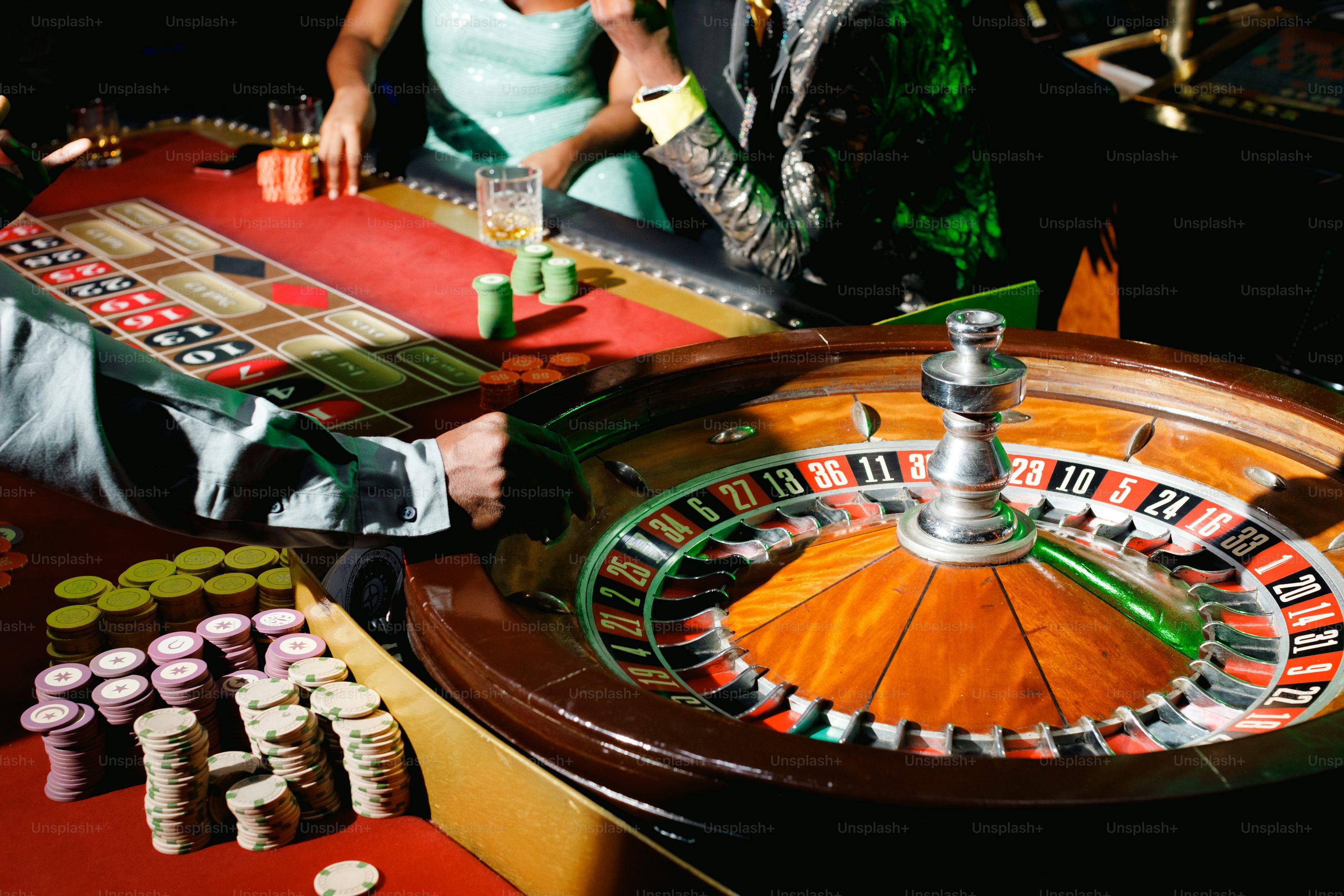
Moreover, the notion of risk is often perceived differently by various players. Some view it as an exciting challenge, while others see it as an opportunity to change their financial circumstances. This duality of perception plays a crucial role in the gambling environment, where individuals may engage in high-stakes games, driven by the thrill of taking risks and the potential for winning big.
Cognitive Biases and Gambling Decisions
Cognitive biases significantly influence how gamblers assess risk and make decisions. One prevalent bias is the illusion of control, where players believe they can influence the outcome of games of chance, such as slots or roulette. This belief can lead individuals to take excessive risks, as they overestimate their chances of winning based on past experiences or patterns they believe to recognize, even when the outcomes are purely random.
Another common bias in gambling is the availability heuristic, where players rely heavily on immediate examples that come to mind when evaluating the likelihood of winning. For instance, hearing about a big winner at a casino can lead to increased participation by individuals hoping to replicate that success, disregarding the statistical realities of their own chances. These biases contribute to a cycle of risk-taking behavior and can lead to financial repercussions.
The Role of Emotion in Risk Assessment
Emotions play a profound role in how individuals perceive and engage with risk in a casino setting. Enthusiasm and excitement can drive players to take risks beyond their comfort levels, often leading them to chase losses or bet more than they can afford. This emotional rollercoaster is a vital aspect of the gambling experience; while it can enhance enjoyment, it may also lead to problematic behaviors.
Conversely, negative emotions such as fear and anxiety can deter individuals from taking risks, leading them to avoid gambling altogether. The emotional state of a player can thus be a strong predictor of their gambling behavior, with impulsive decisions often made in high-energy environments contrasting sharply with more cautious approaches taken when feeling uncertain or anxious.
The Social Context of Gambling Risks
The social dynamics at play in casinos also influence risk perception and behavior. Group settings can either encourage risk-taking through shared excitement or create a more cautious atmosphere. Social interactions, peer influences, and competitive spirits can all contribute to an individual’s willingness to engage with risk. For example, seeing friends win can create a bandwagon effect, prompting individuals to take on greater risks than they might in solitude.
Furthermore, casinos frequently utilize social elements, such as group games and tournaments, to stimulate risk-taking behavior and foster a sense of community among players. This integration of social components can lead to a heightened sense of excitement and the normalization of risk, making players more likely to gamble than in isolation.

Importance of Responsible Gambling
Amid the enticing atmosphere of modern casinos, the significance of responsible gambling cannot be overstated. While the psychology of risk can heighten the thrill of gambling, it is essential that players remain aware of their limits and make informed decisions. Awareness campaigns and resources offered by casinos are crucial in helping patrons understand the risks involved and promoting healthier gambling behaviors.
Ultimately, by fostering a culture of responsible gambling, casinos can strike a balance between excitement and safety. They strive to create environments that allow players to enjoy the thrill of risk while ensuring that they are well-informed about the potential consequences, thus encouraging a sustainable and enjoyable gaming experience.